The Sleep Environment Checklist for Better Rest
From blackout curtains in the Sunset to soundproofing in SoMa, here's how San Franciscans can fine-tune their bedrooms for a restorative night's sleep.
From blackout curtains in the Sunset to soundproofing in SoMa, here's how San Franciscans can fine-tune their bedrooms for a restorative night's sleep.
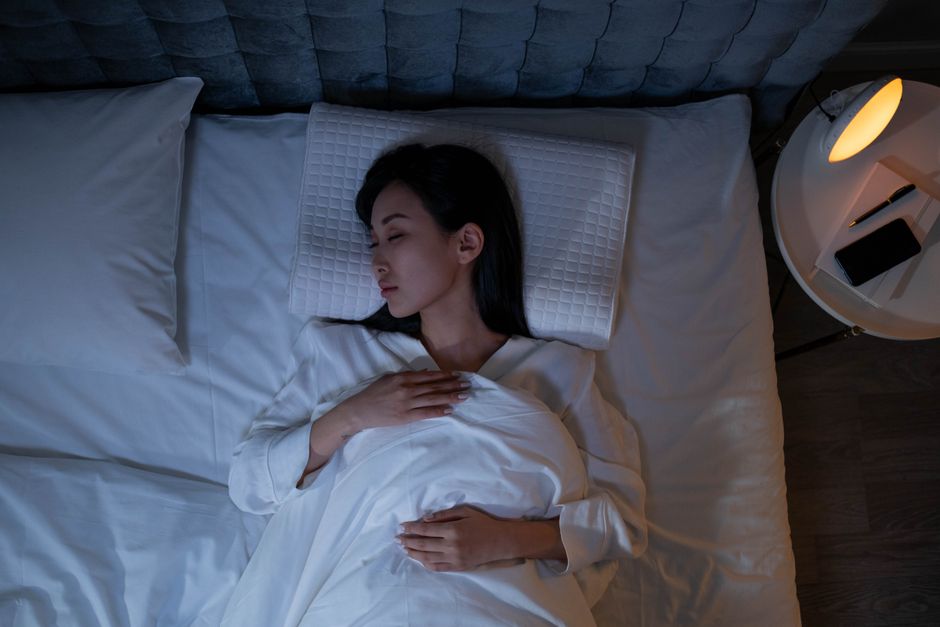
San Franciscans are looking for deeper, more restorative sleep—and sleep experts say a bedroom checklist may be the overlooked solution. With noise, light and temperature playing bigger roles than many realize, sleep clinics across the city are urging residents to rethink how their environments affect their rest.
Worries about poor shut-eye aren't new in the Bay Area, but a surge in sleep health consultations at local clinics shows the issue is on the rise. Dr. Cecily Yan at UCSF's Sleep Disorders Center said the number of people seeking help for insomnia and restless nights has risen more than 20% since 2023. Tech workers burning the candle at both ends, fogbelt dwellers fighting early-morning streetlights and families adapting to hybrid schedules are all feeling the sleep squeeze.
Step one, say local experts, is blocking out unruly light and noise. Residents along Lincoln Way or the Inner Sunset, for example, face persistent glare from streetlights and morning Muni traffic. Home goods store Castro Home on Market Street reports blackout curtain sales have doubled since last summer; prices start at $28 per panel. Meanwhile, apartments in South of Market, bracketed by nightlife and traffic, often contain white noise machines—Sleep Haven, a specialty shop on Valencia Street, stocks models from $34.
San Francisco Public Health’s own Healthy Home Initiative recommends an ideal temperature between 60-67°F for optimal rest. In neighborhoods where Edwardian buildings lack air conditioning—think North Beach or the Mission—countering stuffy nights can mean investing in a simple window fan ($49 at Cole Hardware) or a breathable organic cotton duvet (often $120 and up at Bedfellows in Laurel Heights).
The data backs up the basics: the National Sleep Foundation’s 2025 report found that people sleeping in rooms under 68°F fall asleep on average 12 minutes faster than those in warmer settings. Another recent study spearheaded by the UCSF Osher Center for Integrative Health, published in the Journal of Sleep Research, measured sleep quality improvements in San Franciscans who made changes in light, noise and bedding—68% of participants reported fewer nighttime awakenings over six weeks.
For anyone aiming to overhaul their sleep space, UCSF’s website offers a free printable “sleep environment checklist” covering essentials from pillow hygiene to device-free zones. Techies in SoMa are experimenting with blue-light blocking bulbs ($15 at Ritual Coffee's pop-up shops) while parents in Bernal Heights say the Humble Root’s plant-based sleep balms ($47 for a starter jar) are now part of their wind-down routines. It may be tempting to chase fads, but city experts advise starting with the fundamentals: cool the air, dim the lights, and quiet the chaos. If sleep still proves elusive, consult a local medical professional—better rest could be just a checklist away.
How does this story make you feel?
Spread the word
About this article
Published by The Daily San Francisco
Daily brief
Free, in your inbox before 7am. Weekdays.
More in Wellness