Sleep Disrupted: How Temperature, Light and Noise Affect Your Sleep Quality
San Francisco residents are losing sleep due to environmental factors, but there are ways to mitigate the effects and improve overall wellness
San Francisco residents are losing sleep due to environmental factors, but there are ways to mitigate the effects and improve overall wellness
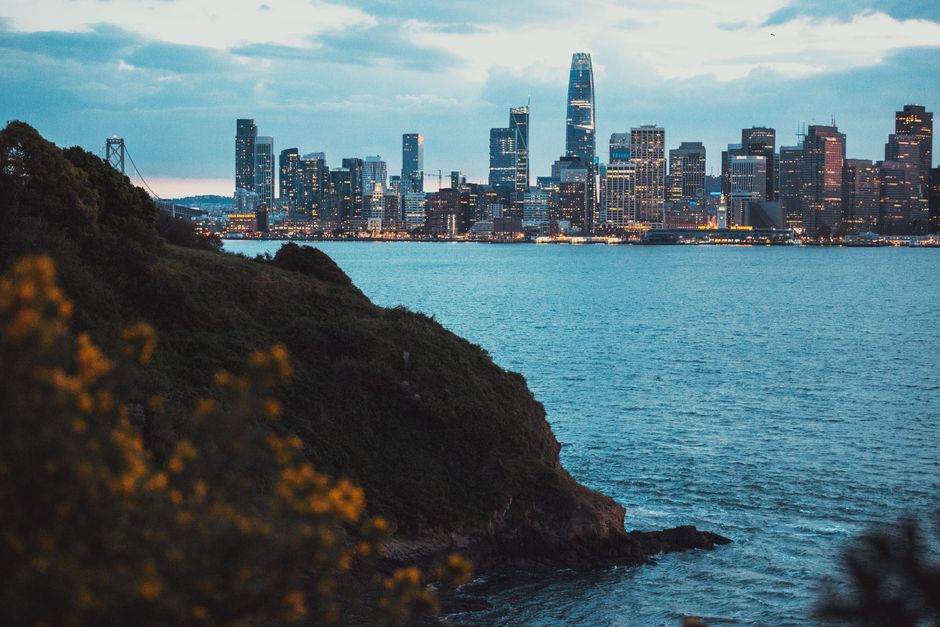
A staggering 70% of San Francisco residents report poor sleep quality, with temperature, light and noise being the top disruptors, according to a recent survey by the San Francisco Department of Public Health.
This issue matters now more than ever, as the city's thriving tech industry and vibrant nightlife can make it difficult for residents to wind down and get a good night's sleep. The consequences of poor sleep quality can be severe, ranging from impaired cognitive function to increased risk of chronic diseases like diabetes and heart disease. With the city's emphasis on wellness and self-care, it's essential to address the environmental factors that affect sleep quality and explore solutions to mitigate their impact.
In San Francisco, residents can find solace in the city's numerous parks and green spaces, such as Golden Gate Park and the Presidio, which offer a peaceful escape from the hustle and bustle of city life. The Bay Trail, a 500-mile network of trails that runs along the San Francisco Bay, is another popular spot for outdoor activities like cycling and hiking. Organisations like the San Francisco Parks Alliance and the UCSF Sleep Health Clinic are also working to promote sleep health and wellness in the community, with initiatives like sleep workshops and outdoor fitness classes.
Studies have shown that a room temperature between 60-67 degrees Fahrenheit is ideal for sleep, while light exposure can suppress melatonin production, making it harder to fall asleep. Noise levels above 50 decibels can also disrupt sleep patterns, with the World Health Organisation recommending that outdoor noise levels not exceed 45 decibels at night. In San Francisco, the average noise level is around 55 decibels, with areas like Haight Street and Market Street exceeding 65 decibels. According to data from the National Sleep Foundation, the cost of sleep deprivation can be substantial, with the estimated annual cost of sleep-related problems in the US exceeding $63 billion.
So what can San Francisco residents do to improve their sleep quality? For starters, investing in blackout curtains or shades can help block out light, while earplugs or white noise machines can reduce noise levels. Keeping the bedroom at a cool temperature and avoiding screens before bedtime can also promote better sleep. The UCSF Sleep Health Clinic offers sleep consultations and workshops, with prices starting at $200 for a one-hour consultation. By taking these steps and being mindful of the environmental factors that affect sleep quality, San Francisco residents can improve their overall wellness and wake up feeling rested and refreshed.
How does this story make you feel?
Spread the word
About this article
Published by The Daily San Francisco
Daily brief
Free, in your inbox before 7am. Weekdays.
More in Wellness