From Burnout to Balance: How San Francisco Community Members Are Rewriting Their Mental Health Stories
Local residents share how mindfulness practices and peer support are transforming stress management across the Bay Area.
Local residents share how mindfulness practices and peer support are transforming stress management across the Bay Area.
Listen to this article · 3:38
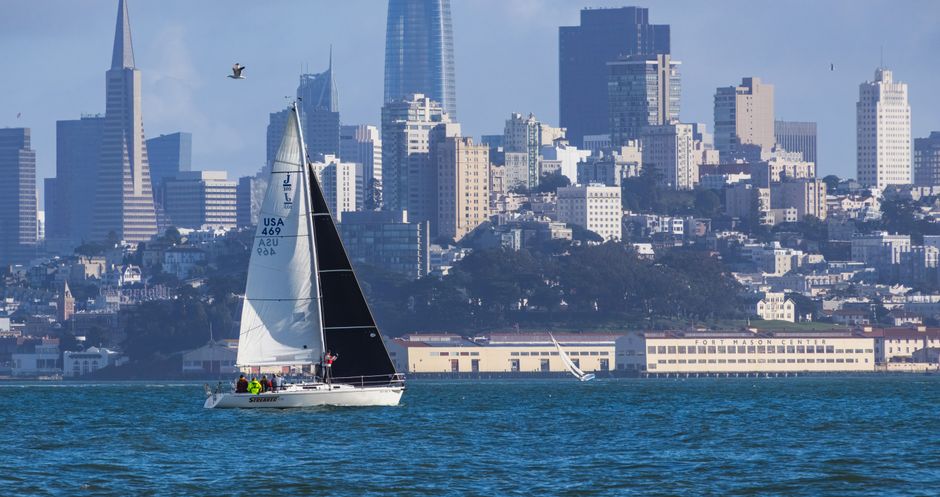
When tech worker Marcus Chen first arrived at the Presidio's Lovers' Lane Trail at 6 a.m., his cortisol levels were through the roof. After three years of back-to-back product launches in SoMa, he was running on fumes. "I'd convinced myself that stress was just the price of working in San Francisco," he recalls. Today, a consistent practice of trail-based mindfulness—walking the Presidio's 14 miles of paths most mornings—has fundamentally shifted how he manages pressure.
Chen's transformation mirrors a broader trend emerging across San Francisco neighborhoods. According to a 2025 UCSF survey, 67% of Bay Area residents report regular stress-management practices, up from 42% in 2020. Local meditation studios in the Marina, Mission, and Hayes Valley now operate at near-capacity, with waitlists for beginner classes reaching 200-plus participants.
Jennifer Rodriguez, a nurse at UCSF Medical Center, discovered her breakthrough in a different setting. Struggling with compassion fatigue after a grueling pandemic stretch, she joined a community breathing circle hosted by the San Francisco Mindfulness Center on Bush Street. "The group became my anchor," she explains. Rodriguez now leads weekly sessions for healthcare workers navigating similar challenges, creating peer-led resilience networks that have expanded to five neighborhood locations.
The impact extends to underrepresented communities. The Mission-based nonprofit Cultura y Salud has integrated traditional Latin American wellness practices with modern mindfulness frameworks, offering low-cost sessions in Spanish throughout the District. At roughly $12 per class—significantly below the $25-40 typical studio rate—accessibility has become a game-changer. "We're meeting people where they are, literally and financially," says program director Sofia Gutierrez.
Dr. James Liu, a psychiatrist at UCSF, notes that San Francisco's outdoor culture provides unique advantages. "Golden Gate Park alone offers free, accessible space for contemplative practice," he says. "We're seeing patients integrate this naturally into their lives—it's not about expensive retreats; it's about consistent, available resources."
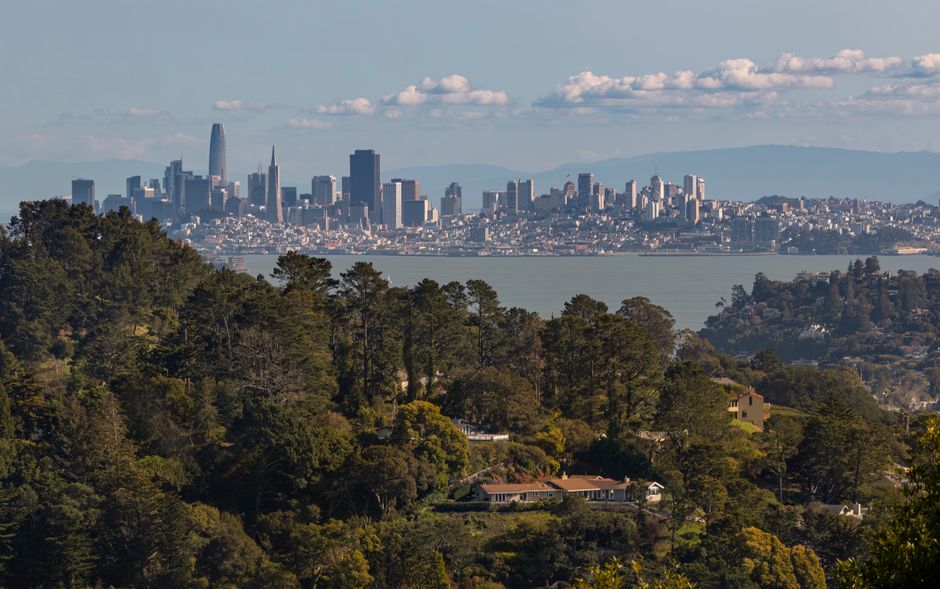
The transformation stories emerging from neighborhoods like the Richmond, Sunset, and Outer Sunset reveal a pattern: sustainable mental health shifts happen through community, consistency, and local infrastructure rather than isolated wellness interventions. As more San Franciscans discover that managing stress doesn't require leaving the city—it requires only stepping outside their office doors—the conversation around workplace burnout is quietly shifting from inevitable to manageable.
This article was compiled by AI and screened before publishing. See our editorial standards.
How does this story make you feel?
Spread the word
About this article
Published by The Daily San Francisco
Daily brief
Free, in your inbox before 7am. Weekdays.
More in Wellness