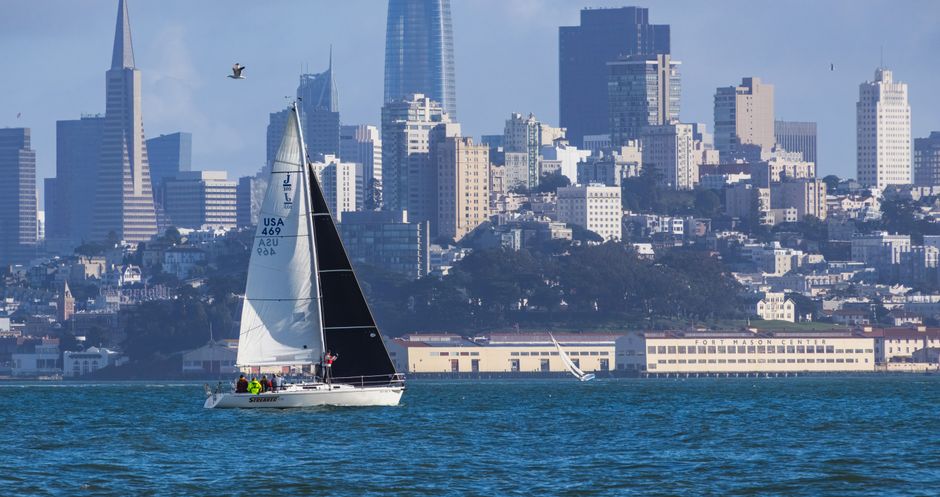
In a city where venture capital stress and tech industry pressure have become as endemic as fog rolling through the Golden Gate, San Francisco's wellness industry has embraced mindfulness as a near-panacea. But what does the actual science say about meditation, breathing exercises, and the hundreds of apps promising mental clarity? The answer is more nuanced—and encouraging—than Instagram wellness culture suggests.
Recent neuroimaging research from UCSF's Department of Psychiatry has documented measurable changes in brain activity among regular meditators. Studies using functional MRI show that consistent mindfulness practice activates the prefrontal cortex—the region responsible for emotional regulation and decision-making—while simultaneously reducing activity in the amygdala, our brain's threat-detection center. For San Francisco professionals working in high-stakes environments, this translates to a genuine physiological dampening of the stress response.
Dr. Bessel van der Kolk's trauma research, though conducted outside the Bay Area, aligns with findings from local meditation centers like the Shambhala Center on Valencia Street in the Mission District. A 2023 meta-analysis published in JAMA Psychiatry reviewing 218 randomized controlled trials found mindfulness-based interventions showed moderate efficacy for anxiety disorders—comparable to some pharmaceutical interventions, though with different mechanisms.
The practice needn't be expensive or time-intensive. UCSF's own Osher Center for Integrative Medicine offers 8-week Mindfulness-Based Stress Reduction programs at significantly lower cost than private meditation studios charging $150-200 monthly in neighborhoods like Hayes Valley. A 2019 Georgetown study found even 13 minutes of daily meditation produced measurable stress reduction in participants, making the practice accessible for commuters navigating the Bay Trail or BART.
Yet researchers caution against overselling mindfulness as a standalone treatment. Meta-analyses consistently show effectiveness primarily for mild-to-moderate anxiety and stress—not severe depression or trauma requiring professional psychiatric care. The American Psychological Association recommends mindfulness as complementary to, not replacement for, evidence-based therapies like cognitive behavioral therapy.
For San Francisco residents, the emerging consensus from neuroscience is clear: mindfulness works, but through neurobiological mechanisms rather than mystical thinking. Regular practice genuinely rewires stress pathways in measurable ways. The key lies in consistency—finding a sustainable practice, whether that's a Golden Gate Park morning walk, a structured app like Insight Timer, or a community meditation circle in your neighborhood.
The science doesn't promise transformation. It promises something quieter and more valuable: incremental, neurological change that compounds over time.
This article was compiled by AI and screened before publishing. See our editorial standards.