The Bay Area Preventive Care Playbook: Evidence-Based Screenings That Actually Work for Local Conditions
From air quality impacts to wildfire season health risks, here's what San Francisco doctors say you should prioritize based on where we live.
From air quality impacts to wildfire season health risks, here's what San Francisco doctors say you should prioritize based on where we live.

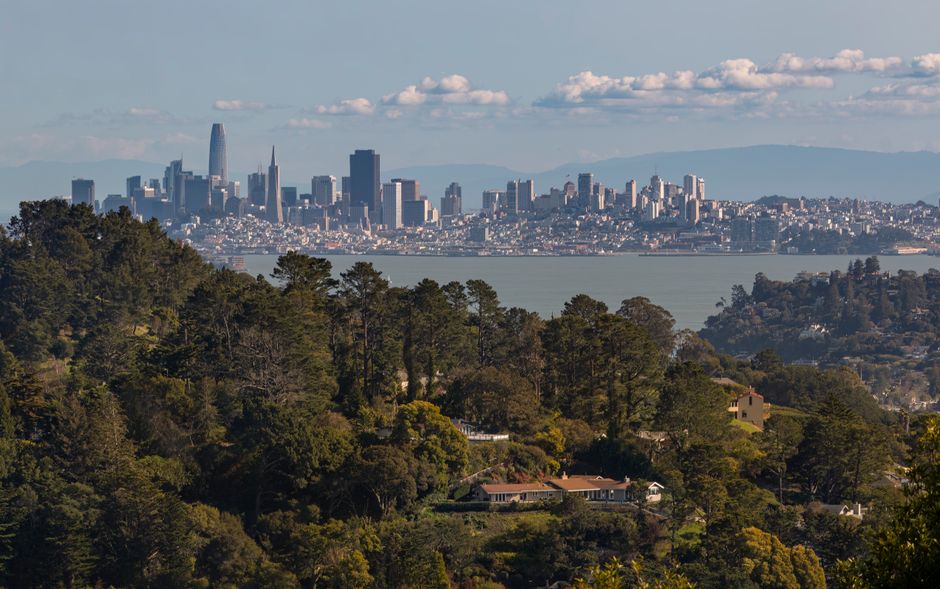
Living in San Francisco comes with unique environmental and lifestyle factors that shape our health risks—and our prevention strategy. While national screening guidelines offer a foundation, local medical experts say tailoring your preventive care to Bay Area conditions yields better outcomes.
Start with what makes this region distinct. Air quality fluctuations from summer wildfire season, combined with the microclimates created by the Bay's geography, create respiratory considerations that inland California residents don't face as urgently. UCSF pulmonologists recommend baseline spirometry testing for anyone over 45 who regularly exercises outdoors—particularly those running the Golden Gate Park loop or cycling the Bay Trail. This simple breathing test costs $100–$200 at urgent care clinics along Market Street and establishes a personal baseline for monitoring decline.
The Bay Area's tech-forward population also skews younger and more sedentary despite our outdoor culture. Cardiometabolic screening—fasting glucose, lipid panels, and blood pressure—matters earlier here. Studies show desk-based workers in SOMA and the Financial District develop metabolic syndrome at higher rates than the general population. Insurance often covers these panels annually; ask your primary care doctor at clinics like One Medical (multiple locations) or UCSF's community health centers in the Mission to schedule yours.
Skin cancer screening deserves emphasis in a region with 260+ sunny days yearly. Dermatologists across San Francisco recommend full-body checks every 1–2 years if you're active outdoors. Many accept insurance; expect $150–$300 out-of-pocket. Self-monitoring using the ABCDE method (asymmetry, border irregularity, color variation, diameter over 6mm, evolution) between appointments catches changes early.
Don't overlook mental health screening. San Francisco's high cost of living and competitive culture correlate with elevated anxiety and depression rates. The PHQ-9 screening takes five minutes and costs nothing at most primary care visits—yet many skip it. Early intervention through therapy or medication prevents downstream health complications.
Finally, consider lifestyle-specific screenings. Cyclists and hikers navigating Marin Headlands benefit from musculoskeletal assessments around age 50; runners should discuss knee and hip imaging protocols. These preventive conversations, rather than reactive imaging, reduce unnecessary scans while catching real problems.
Your insurance and local provider network matter more than generic guidance. Contact UCSF Health's preventive medicine clinic or your neighborhood community health center—like those in the Tenderloin, Mission, or Richmond District—to build a personalized screening plan. The best preventive care isn't generic. It's the care designed for where you actually live.
This article was compiled by AI from the sources linked above and screened before publishing. See our editorial standards.
How does this story make you feel?
Spread the word
About this article
Published by The Daily San Francisco
Daily brief
Free, in your inbox before 7am. Weekdays.
More in Wellness