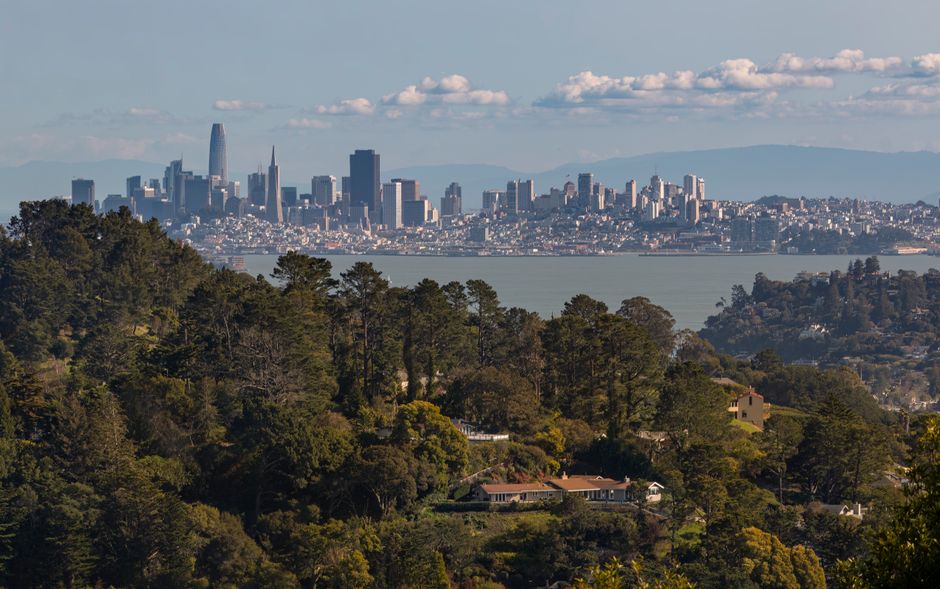
On a Tuesday morning in Golden Gate Park, a group of adults in their sixties and seventies moves through the Presidio Trail system with purpose. They're not just walking—they're participating in what has become San Francisco's quiet wellness revolution: the realization that active aging isn't a luxury, but a reimagined standard.
This shift is everywhere. Local YMCAs across the city have expanded their "Active Adults" programming. The Bay Trail, stretching across neighborhoods from the Embarcadero to the East Bay, has become a de facto mobility laboratory for older residents. Meanwhile, boutique fitness studios in neighborhoods like Noe Valley and the Castro are launching classes specifically designed around balance, flexibility, and functional strength—the pillars of maintaining independence after 60.
The numbers support what San Francisco wellness professionals are witnessing. A 2025 survey by the Bay Area Council found that 73 percent of adults over 60 in the Bay Area prioritize mobility maintenance, up from 58 percent four years prior. Local physical therapists report wait times of four to six weeks, and many have added afternoon slots to accommodate active seniors who refuse to let age slow their pace.
What makes San Francisco's approach distinctive is infrastructure. The city's geographic variety—steep hills, waterfront paths, neighborhood stairs—naturally demands functional fitness. Organizations like the Trails Conservancy and Urban Park Rangers now offer guided walks specifically calibrated for older walkers seeking challenging terrain without injury risk. Classes at facilities like the Mission District's adaptive fitness centers emphasize joint protection, a topic that's resonated locally after recent coverage of exercise's protective effects.
Price remains a barrier. Private mobility coaching runs $85–$150 per session. YMCA memberships average $65 monthly, and specialized classes often cost $18–$25 per session. Yet demand continues to outpace supply, suggesting a demographic willing to invest in what one local geriatrician calls "preventive medicine disguised as fitness."
The cultural shift carries weight. San Francisco's wellness industry—long positioned as a pioneer in preventive health—has finally aligned its offerings with demographic reality. With one in four Bay Area residents now over 55, the conversation has shifted from anti-aging aesthetics to anti-fragility practicality.
As summer heat returns, expect to see more silver-haired figures on the Bay Trail and in Golden Gate Park, moving not with the intensity of younger athletes, but with the deliberate commitment of people reclaiming their own futures. That's the San Francisco wellness story of 2026: aging isn't something to resist. It's something to train for.
This article was compiled by AI from the sources linked above and screened before publishing. See our editorial standards.