On any given morning, the Presidio's winding paths fill with runners seeking elevation gain and bay views instead of gym memberships. This shift toward outdoor trail running has become more than a seasonal trend in San Francisco—it's reshaping how the city approaches wellness, with participation in organized trail events up 34% since 2024 according to local running clubs.
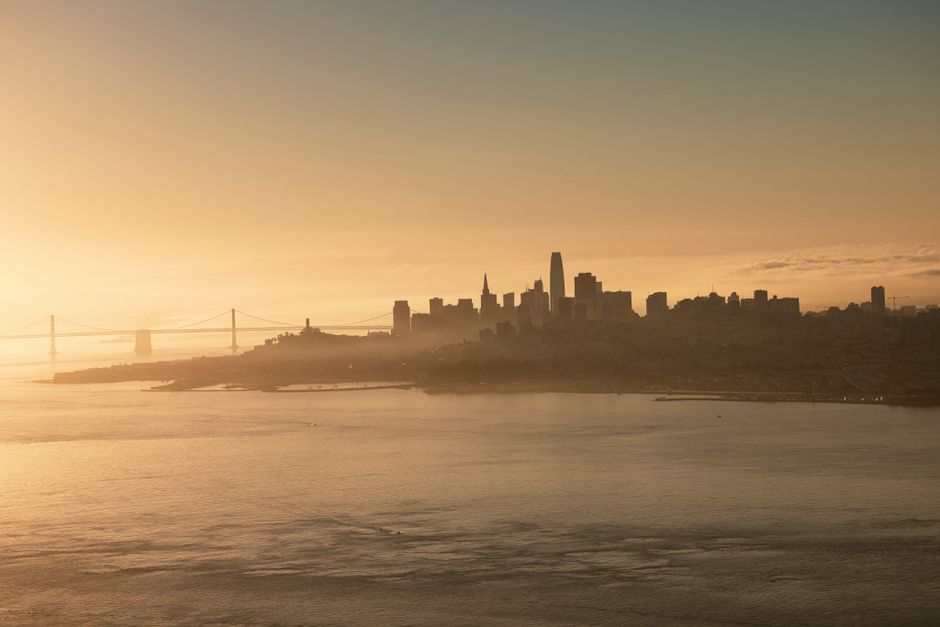
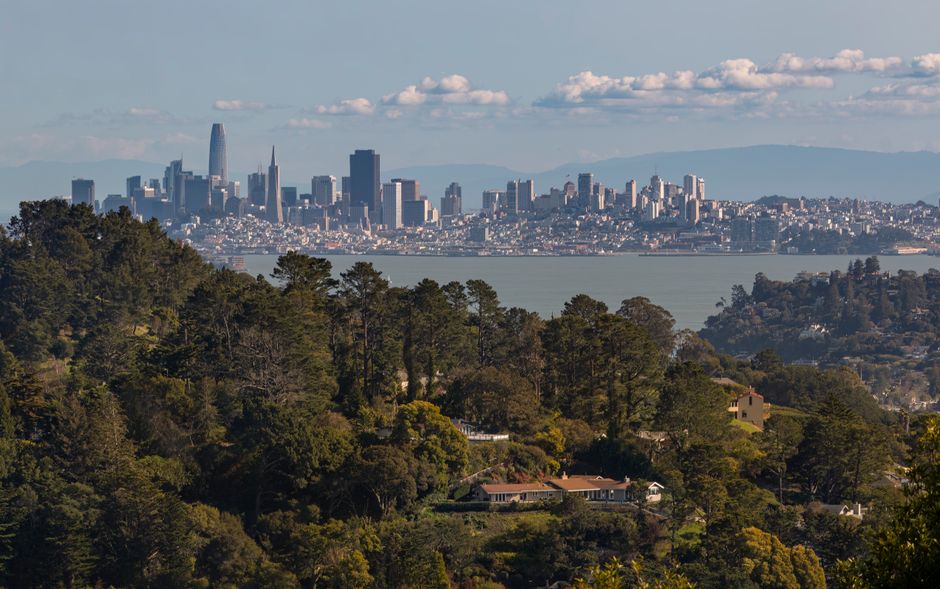
The phenomenon extends across iconic neighborhoods. Golden Gate Park's 49-mile network of trails now draws thousands weekly, from casual joggers on the Fell Street corridor to serious athletes tackling the park's steeper northwestern sections. Meanwhile, the Marin Headlands—just across the Golden Gate Bridge—has become a pilgrimage site for San Francisco's endurance community, offering technical terrain and unobstructed views of the city skyline.
"What we're seeing is people reclaiming public space for fitness," says the San Francisco Parks and Recreation Department, which has invested in trail maintenance across 40 miles of urban running routes over the past two years. The Bay Trail system, stretching 500+ miles around the bay, has become particularly popular among those training for marathons while avoiding repetitive concrete impact.
The infrastructure investment reflects demand. Running clubs have proliferated throughout the Mission District, Castro, and along the Embarcadero, with organizations like Fort Mason Center hosting weekly group runs that blend community with cardiovascular conditioning. A 12-week guided trail program at the Presidio Trust runs approximately $180, significantly less than boutique gym memberships while offering personalized coaching on technical terrain.
UCSF's sports medicine faculty notes that trail running reduces joint impact by 40% compared to road running—a critical finding as San Francisco's wellness conversation increasingly emphasizes injury prevention alongside performance. Local physical therapists report a corresponding uptick in runners transitioning from roads to trails, seeking the stability and engagement that uneven surfaces demand.
The trend also reflects San Francisco's broader wellness evolution. After years of high-intensity indoor cycling and boxing studio culture, outdoor trail fitness aligns with the city's environmental consciousness and its long-standing relationship with Marin's hiking traditions. It's accessible, free or low-cost, and requires minimal equipment beyond proper footwear.
Whether it's sunrise runs along the Crissy Field waterfront or evening loops through Twin Peaks' switchbacks, San Francisco's outdoor running culture has moved from niche pursuit to mainstream wellness practice. For a city that pioneered the modern wellness industry, that shift represents something fundamental: a return to where fitness culture began—outside, moving through the landscape, one trail at a time.
This article was compiled by AI from the sources linked above and screened before publishing. See our editorial standards.