Golden Gate to Glen Canyon: Evidence-Based Tips That ...
Local terrain, fog patterns, and microclimates demand smarter strategies—here's what research and experience reveal about staying safe and comfortable on our city's best trails.
Local terrain, fog patterns, and microclimates demand smarter strategies—here's what research and experience reveal about staying safe and comfortable on our city's best trails.

San Francisco's parks are world-class, but they demand respect. The city's notorious microclimates, steep grades, and coastal fog create conditions that generic walking advice simply doesn't address. Here's what actually works.
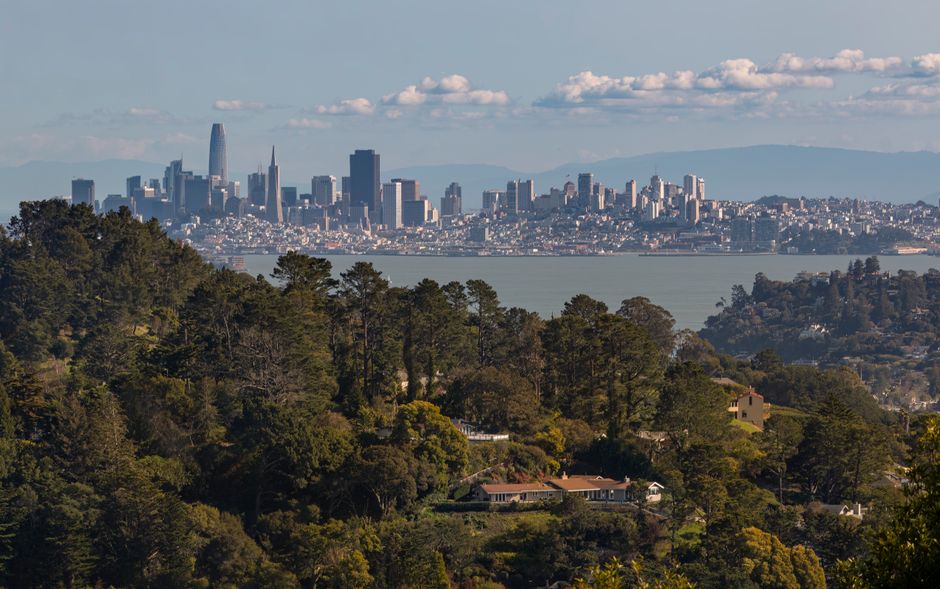
Dress in layers, always. While it sounds obvious, the science backs up what locals know: the Embarcadero can be 15 degrees warmer than the Marin Headlands just across the Golden Gate Bridge. A study from UC Berkeley's Climate and Weather Lab found that SF's neighborhoods vary by up to 20 degrees Fahrenheit depending on proximity to the bay and fog patterns. Start at Land's End or Battery Spencer with a lightweight fleece you can remove—not because you're being cautious, but because you'll need to within 20 minutes of your walk.
Plan around fog timing, not weather forecasts. Karl the Fog doesn't follow traditional weather reports. Mornings in June through August typically see marine layer cover until 10 a.m., while the Sunset District remains overcast through afternoon. Golden Gate Park's interior stays 5-10 degrees cooler than the Presidio. Walk the Panhandle and western sections early; save the Polo Fields and eastern meadows for midday.
Know your grade before you go. The American Heart Association's guidelines on sustainable exercise intensity apply directly to SF's terrain. Walks up to Lyon Street Steps (287 stairs) or into the Marin Headlands above Sausalito demand aerobic conditioning that flat walks don't. The Bay Trail's seamless 500+ miles of low-grade pathways from Pier 39 to the Embarcadero offer gentler alternatives for those building fitness or managing joint health—a growing consideration for aging Bay Area residents.
Hydration math for coastal wind. Dehydration happens faster near water because wind accelerates moisture loss, even in cool temperatures. The National Institutes of Health recommends one liter per hour for moderate exertion in windy conditions—exactly what you'll experience at Lands' End, Hawk Hill, or the Cliff House loop. Most fountains operate year-round in Golden Gate Park, though the Botanical Gardens near the 9th Avenue entrance offers reliable access.
Timing beats intensity. Recent joint-health research highlights that 30-minute walks, taken consistently, outperform occasional longer hikes for cardiovascular benefit and musculoskeletal adaptation. The relatively flat walk from the Ferry Building to the Bay Bridge—roughly 1.5 miles—delivers measurable health gains without the recovery demands of Lands' End's switchbacks.
San Francisco's parks aren't just beautiful; they're precision tools for wellness when you match strategy to local conditions.
This article was compiled by AI from the sources linked above and screened before publishing. See our editorial standards.
How does this story make you feel?
Spread the word
About this article
Published by The Daily San Francisco
Daily brief
Free, in your inbox before 7am. Weekdays.
More in Wellness