How to Start a Walking Group in Your Neighbourhood
From the Mission to the Sunset, San Franciscans are discovering that the simplest fitness trend—walking together—builds community and transformative health habits.
From the Mission to the Sunset, San Franciscans are discovering that the simplest fitness trend—walking together—builds community and transformative health habits.
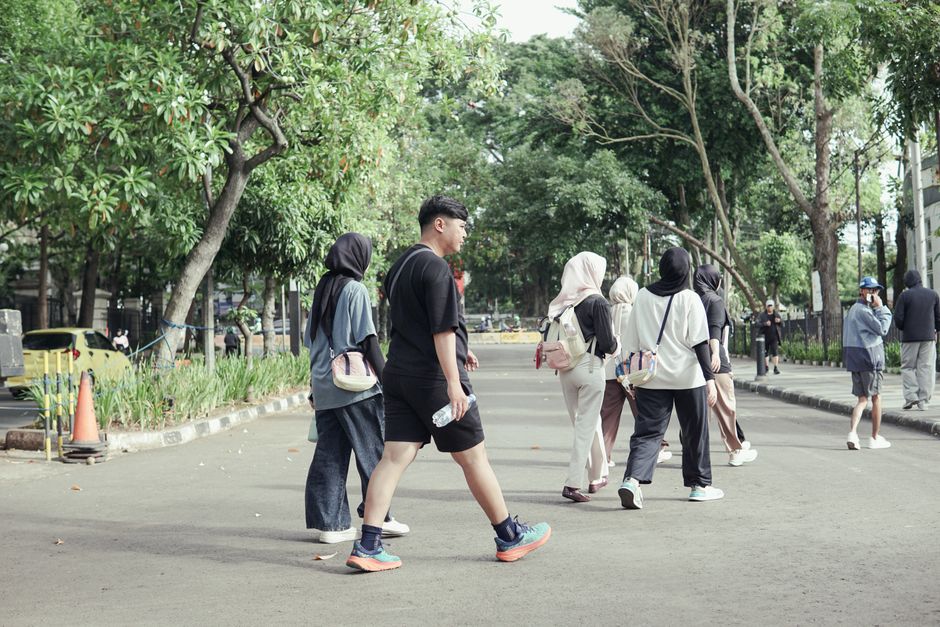
Walking groups have quietly become one of San Francisco's most accessible wellness movements. Unlike the high-intensity spin classes or expensive gym memberships that dominate city fitness culture, group walks require nothing but shoes, a street, and neighbours willing to show up. If your block feels disconnected, or you've noticed the same faces at Golden Gate Park but never actually spoken to them, starting a walking group might be your answer.
The mechanics are straightforward. Begin by identifying your natural gathering spot: a BART station entrance, a neighbourhood café, or a park entrance like the Presidio's Main Gate on Lincoln Boulevard. Pick a consistent day and time—Saturday mornings at 8 a.m. have proven popular across the Richmond and Sunset districts, while weeknight 6 p.m. walks work better for Mission and SOMA professionals. Start small: aim for three to five people, then grow organically.
San Francisco's topography is your asset. The city's 49 square miles offer infinite routes: the relatively flat Bay Trail sections near Mission Creek, the rolling hills of Buena Vista Park (a hidden gem above the Castro), or the Marin Headlands' steep trails for ambitious groups. Neighbourhood-specific walks create identity. The Presidio has over 24 miles of maintained trails; the Embarcadero waterfront spans 1.7 miles of uninterrupted pavement perfect for newcomers.
Logistics matter. Use free platforms like Meetup.com or Nextdoor to invite participants—San Francisco's Nextdoor community has over 400,000 active users. Set clear expectations: distance (2–4 miles is ideal for building habit), pace (2.5–3.5 mph accommodates mixed fitness levels), and whether the walk is social or silent. Consider accessibility: avoid steep grades if mobility varies among members, and choose well-lit routes for evening groups.
The health case is compelling. Regular walking—even 150 minutes weekly at moderate pace—reduces cardiovascular disease risk and supports joint health, echoing recent wellness research. But the community benefit often outweighs the physical metrics. Walking groups create accountability, reduce isolation, and offer genuine social connection without the performance anxiety of group fitness classes.
Start with one block. Invite your immediate neighbours via a simple flyer or text chain. Walk the same route twice before expanding. Once your group stabilizes at five or more regular members, consider rotating leadership or suggesting satellite groups in adjacent neighbourhoods. The Sunset District has seen three walking groups emerge organically over the past year, each with distinct personalities.
Your neighbourhood likely has untapped walking potential. The question isn't whether a route exists—it's whether you'll be the person who invites others to discover it together.
This article was compiled by AI from the sources linked above and screened before publishing. See our editorial standards.
How does this story make you feel?
Spread the word
About this article
Published by The Daily San Francisco
Daily brief
Free, in your inbox before 7am. Weekdays.
More in Wellness