On any given morning, the Panhandle pulses with runners—a steady stream of sneakers hitting asphalt as the sun breaks through the fog. What once felt like a niche activity has become unmistakably mainstream across San Francisco, as outdoor running transforms from solo hobby into a defining wellness trend that's reshaping how this city moves.
The numbers tell the story. Running clubs in San Francisco have grown by an estimated 40% over the past three years, according to local fitness trackers and community organizations. Groups like the San Francisco Road Runners Club now host weekly meetups drawing 200-plus participants across multiple difficulty levels, while smaller neighborhood chapters have sprouted in the Mission, SOMA, and the Sunset District.
The appeal is threefold: accessibility, community, and geography. Unlike gym memberships—which average $50-$120 monthly at San Francisco facilities—trail running is free. The city's topography offers natural training zones. Golden Gate Park's 49-mile circuit accommodates everyone from 5K beginners to ultra-marathon trainers. Meanwhile, the Marin Headlands, just across the Golden Gate Bridge, deliver elevation training that locals traditionally reserved for weekend escapes.
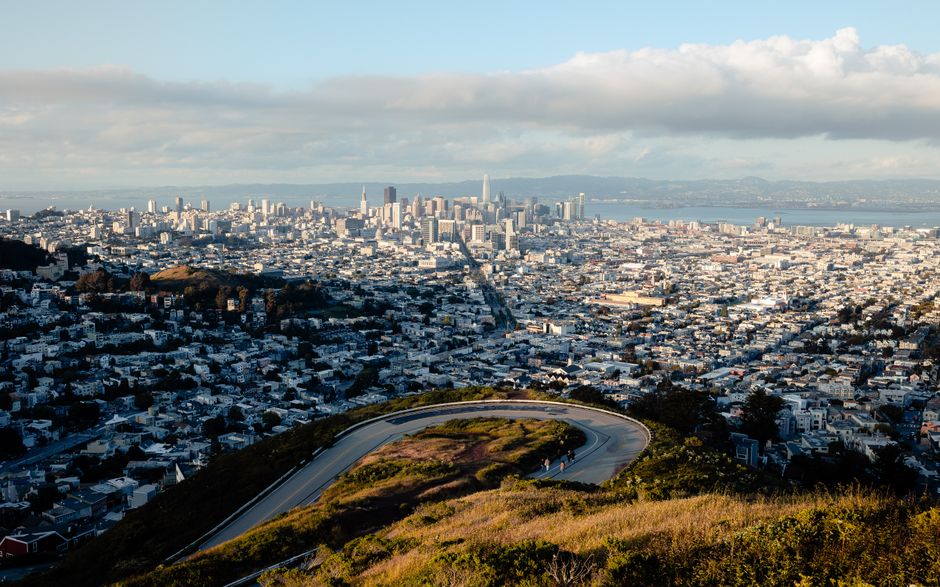
Urban routes have democratized the trend further. The Bay Trail system, stretching across the waterfront from the Ferry Building to the Embarcadero, provides traffic-free corridors where commuters now log miles before work. Twin Peaks offers panoramic vistas and a genuine hill workout within 20 minutes of downtown. Even the quieter residential streets of Forest Hill and the Presidio have become destination runs, tracked obsessively on fitness apps.
The infrastructure boom reflects this shift. Running specialty shops like Sports Basement (with locations in Marina and SoMa) have expanded coaching services. Wellness-focused apps tracking local routes have exploded. Hotels in the Marina and Fisherman's Wharf now market their proximity to running routes alongside traditional amenities.
But perhaps the most telling sign is demographic diversity. Runners now span age groups, income brackets, and neighborhoods in ways the city's wellness sector hadn't previously seen. Empty nesters in Pacific Heights run alongside tech workers in the Financial District and service industry employees carving out morning wellness time before shifts.
For a city built on hills and surrounded by water, this trend feels almost inevitable—a return to what geography and culture have always offered. Yet its rapid normalization signals something deeper: San Francisco's wellness conversation is moving outdoors, becoming less exclusive, and increasingly ingrained in how residents define health itself.
This article was compiled by AI from the sources linked above and screened before publishing. See our editorial standards.