How to Start a Walking Group in Your Neighbourhood
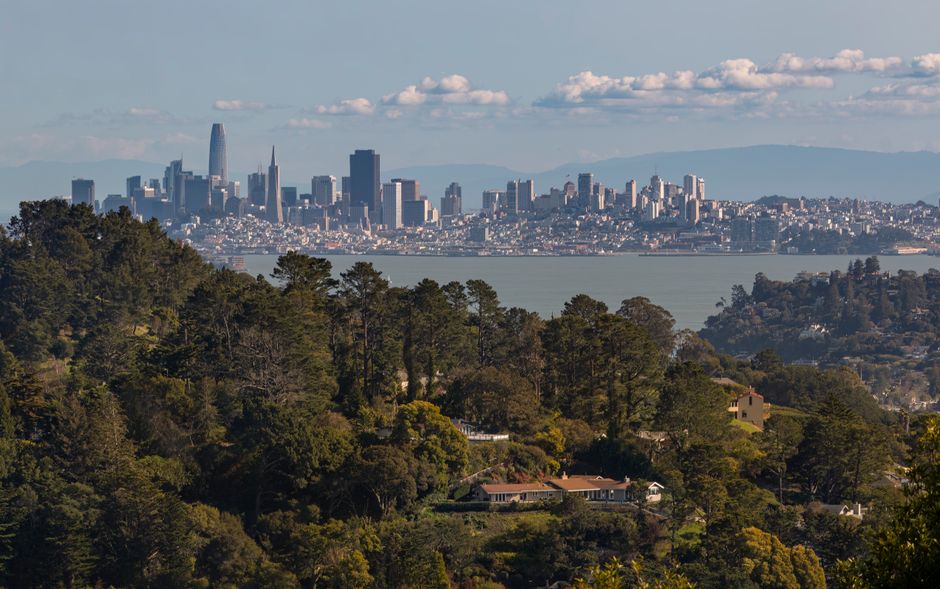
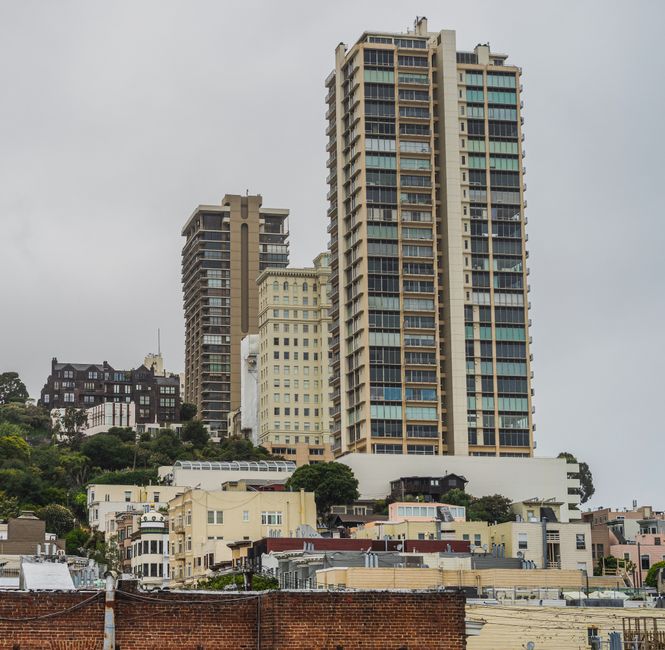
San Francisco's thriving fitness community shows that the simplest wellness trend—a regular neighbourhood walk—can transform both individual health and street-level connection.
San Francisco's thriving fitness community shows that the simplest wellness trend—a regular neighbourhood walk—can transform both individual health and street-level connection.
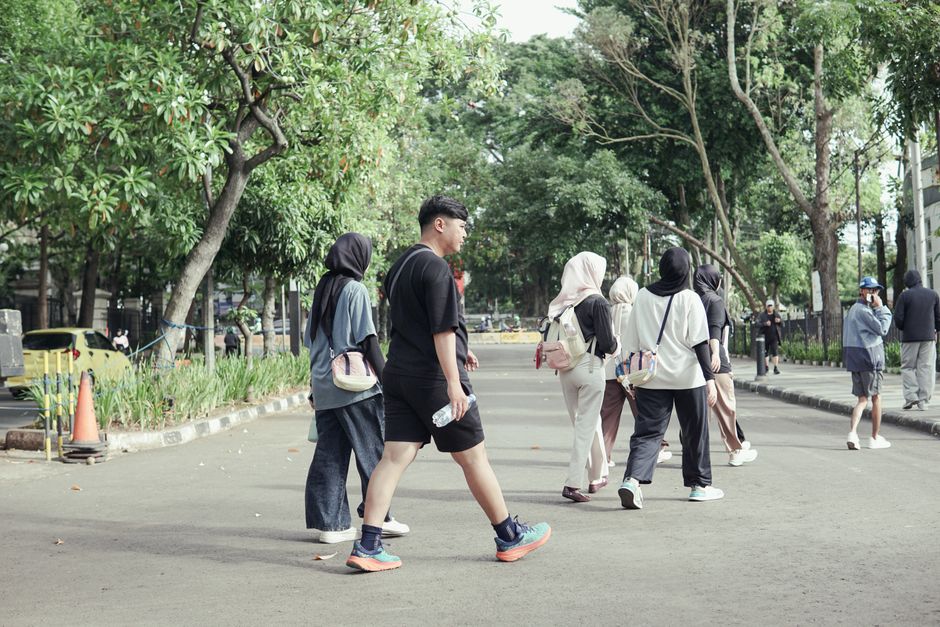
Walking groups have become one of San Francisco's most accessible wellness movements. Unlike the high-cost fitness classes that dominate the city's wellness economy, neighbourhood walking requires nothing but commitment and a clear route. For residents in Cole Valley, the Sunset, or along the Embarcadero, starting a local group takes surprisingly little effort—and the health returns are substantial.
Research from UCSF's Department of Family and Community Medicine suggests that regular group walking reduces cardiovascular risk by up to 30 percent while building social cohesion. In a city where many residents report isolation despite urban density, walking groups address both health metrics simultaneously. The barrier to entry is almost nonexistent: no gym membership, no special equipment, no budget beyond your shoes.
Start with logistics. Choose a neighbourhood anchor—perhaps Lands End for sunset walkers, or the tree-lined streets around Alamo Square for morning groups. Set a consistent day and time. Tuesday mornings at 7 a.m. from the Panhandle's eastern entrance works well for working professionals; Saturday afternoons suit families and flexible schedules. A forty-five-minute loop covering 2-3 miles is realistic for mixed-fitness groups.
Recruit thoughtfully. Post on Nextdoor, your local neighbourhood association Facebook page, or community boards at Hayes Valley cafes. Be specific about pace and distance. One Mission District group explicitly targets "conversational walking"—the ability to chat while moving—which keeps intensity moderate and inclusive. After your first walk, collect phone numbers or create a simple WhatsApp group for reminders.
Consider safety and logistics. Ensure routes have sidewalks and good lighting if you're meeting early or late. In hilly neighbourhoods like Russian Hill or Pacific Heights, clarify elevation beforehand. A group of eight to fifteen people is manageable; larger groups naturally splinter into sub-groups, which is fine.
Make it sticky. Vary routes monthly—perhaps alternating between the Bay Trail's flat accessibility and Marin Headlands' more challenging terrain for those ready to progress. Celebrate milestones: at three months, perhaps grab coffee together post-walk at a local spot in your neighbourhood. These moments transform transactional exercise into genuine community.
San Francisco's wellness reputation often centers on expensive innovations. Yet some of the city's most resilient health communities are built on the oldest movement: walking together. Your neighbourhood group won't appear in wellness magazines. It will appear in the improved blood pressure readings and mental health of your street-level community. That's the real metric worth tracking.
This article was compiled by AI from the sources linked above and screened before publishing. See our editorial standards.
How does this story make you feel?
Spread the word
About this article
Published by The Daily San Francisco
Daily brief
Free, in your inbox before 7am. Weekdays.
More in Wellness