From Ferry Building to Fillmore: How San Francisco's Hyperlocal Food Movement Became Essential Wellness
The city's obsession with knowing exactly where dinner came from is reshaping how we think about eating well.
The city's obsession with knowing exactly where dinner came from is reshaping how we think about eating well.
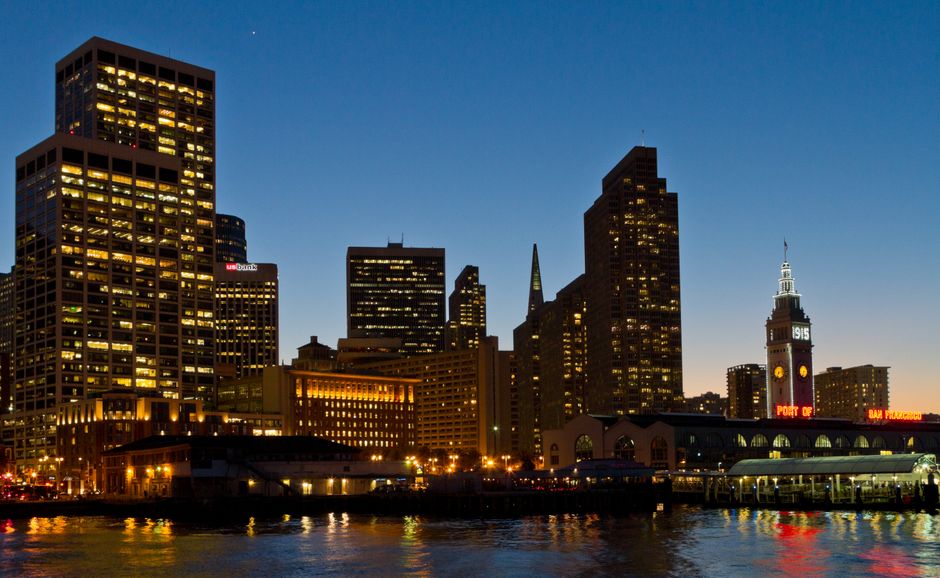
Walk through the Ferry Building Marketplace on a Saturday morning and you'll witness what's become the city's unofficial wellness religion: the hunt for traceable, local food. What started as a farmer's market trend has evolved into something deeper—a genuine shift in how San Francisco residents approach nutrition, driven by the belief that knowing your farmer's name matters as much as the vitamins on a nutrition label.
The numbers reflect this transformation. According to the Bay Area Council, farmers' market attendance across the region jumped 34% between 2020 and 2025, with San Francisco's markets now operating year-round compared to seasonal-only schedules a decade ago. The Ferry Building alone hosts over 100,000 visitors monthly, many of them making deliberate nutrition choices based on seasonal availability rather than what's convenient.
"People aren't just buying apples anymore—they're asking about soil quality and harvest dates," explains the community nutrition landscape that's flourished in neighborhoods like the Mission District, where small grocers on Valencia Street now dedicate entire sections to local producers. Similarly, the Sunset District has seen a boom in CSA (Community Supported Agriculture) sign-ups, with residents pre-committing to weekly boxes of whatever grows that season, a practice that forces intentional meal planning and eliminates the processed-food default.
This isn't purely aspirational. UCSF's nutrition research team has documented that SF residents who shop at farmers' markets and participate in local food systems consume 23% more vegetables weekly compared to conventional grocery shoppers. The wellness industry—yoga studios on Castro Street, CrossFit boxes in SOMA, wellness clinics throughout Pacific Heights—increasingly frames local eating as foundational to their offerings, treating it with the same importance as sleep or exercise.
The economic shift is notable too. Farmers' market vendor fees have risen 40% in three years, reflecting demand. Meanwhile, restaurants from the Mission to North Beach now prominently feature "local" sourcing on menus, and it's become standard marketing language even in casual dining.
What makes this trend stick in San Francisco specifically is the city's unique combination: proximity to Marin County farms, the Bay's fishing tradition, year-round growing seasons, and a population already conditioned by the running culture of Golden Gate Park and hiking in the Marin Headlands to view wellness as lifestyle infrastructure rather than occasional effort.
The Ferry Building Marketplace isn't just a market anymore—it's become a wellness destination where nutrition becomes personal, seasonal, and grounded in community connection. That's how a food trend becomes a movement in San Francisco.
This article was compiled by AI from the sources linked above and screened before publishing. See our editorial standards.
How does this story make you feel?
Spread the word
About this article
Published by The Daily San Francisco
Daily brief
Free, in your inbox before 7am. Weekdays.
More in Wellness