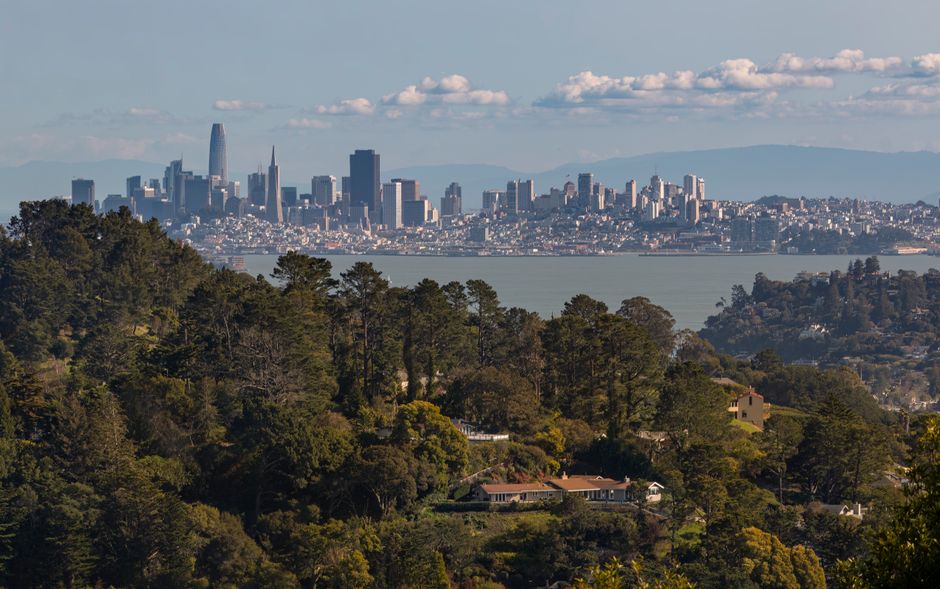
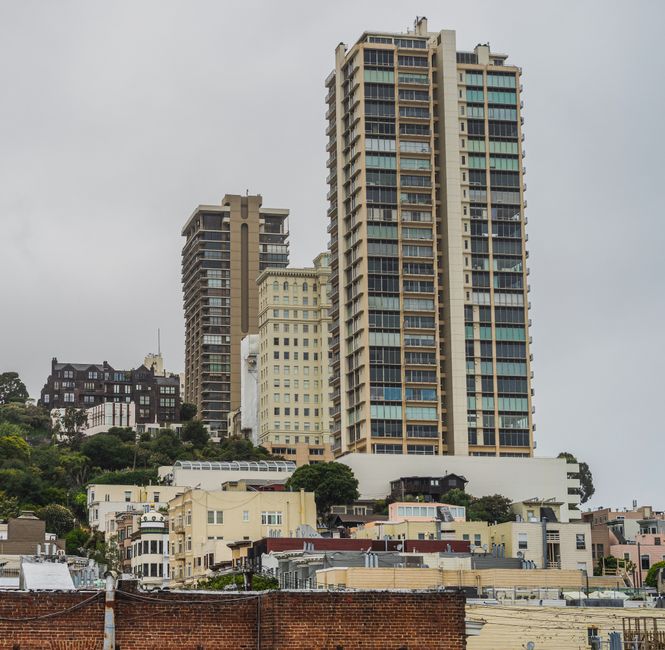
While global wellness reports consistently highlight outdoor running as the fastest-growing fitness category—with participation up 23 percent since 2023—San Francisco is quietly crushing those numbers. Local running groups, trail networks, and a built-in culture of Bay Area exploration have created a fitness ecosystem that rivals major running capitals like London and Portland.
The numbers tell the story. Golden Gate Park alone sees an estimated 3,000+ runners weekly across its 49 miles of paths, according to park usage data. The Presidio's network of trails draws another steady crowd, while the Bay Trail system—stretching 500 miles around the bay—has seen a documented surge in usage. Yet what makes San Francisco different isn't just infrastructure; it's the accessibility and diversity of options within a compact geography.
Globally, the outdoor fitness trend has sparked a $4.2 billion market in running apps, smartwatches, and guided trail experiences. San Francisco's response has been distinctly local: free running groups from the Embarcadero to the Sunset District, no-cost trail access, and a community-first ethos that doesn't require membership fees. Organizations like Runners Den on Irving Street and various neighborhood-based clubs have reported 40 percent membership growth over two years—outpacing national gym membership trends by nearly double.
"What we're seeing is less about chasing fitness fads and more about embedding activity into daily life," says the broader wellness landscape. San Francisco residents treat running routes as neighborhood connectors. A weekday morning jog from the Mission District to AT&T Park, or a weekend trail run through Marin Headlands, becomes social infrastructure as much as exercise.
The Marin Headlands deserve particular mention. Located just across the Golden Gate Bridge, this 19,300-acre preserve has become a pilgrimage site for distance runners seeking elevation and single-track variety. Trail races here—like the Dipsea Race, one of America's oldest—attract runners nationwide and exemplify how local geography drives global interest.
Yet San Francisco's advantage extends beyond scenery. UCSF's sports medicine and running research programs have positioned the city as a knowledge hub, while the Bay Area's tech workforce has fueled demand for data-driven fitness tracking and community apps that aggregate local route information.
For those considering whether to prioritize outdoor running: San Francisco's model suggests that consistency beats intensity, community beats competition, and accessible trails beat expensive studios. As global wellness trends shift toward outdoor activity, the Bay Area isn't following—it's already there, one steep hill at a time.
This article was compiled by AI from the sources linked above and screened before publishing. See our editorial standards.