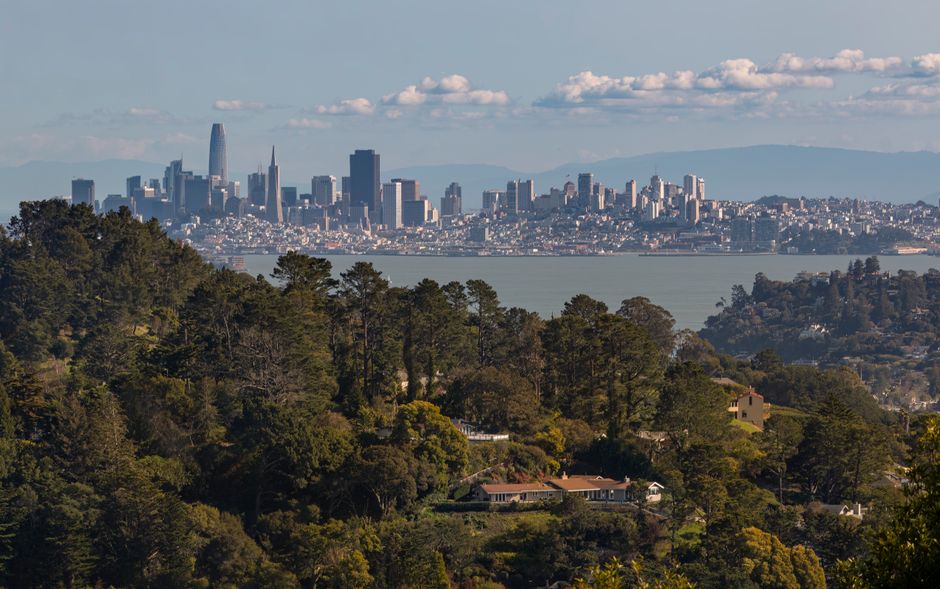
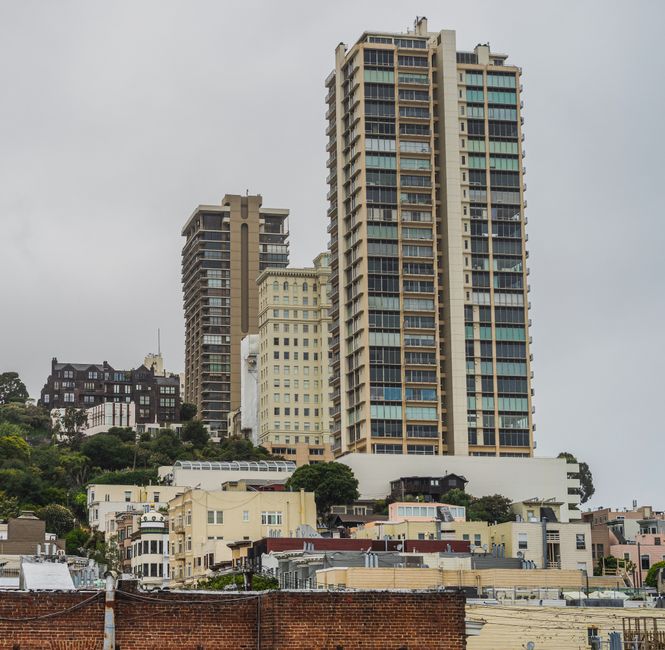
Walking past the Presidio's tree-lined paths on any given morning, you'd be forgiven for thinking San Francisco invented outdoor running culture. In many ways, the city has been ahead of a curve that the rest of the world is only now catching up to—a trend reflected in the latest global wellness reports showing outdoor fitness participation up 34 percent since 2022.
The numbers tell a compelling local story. Golden Gate Park's 1,017 acres host an estimated 2,000 regular runners daily, according to park usage data, with the Panhandle and eastern sections drawing crowds year-round. Meanwhile, the Bay Trail—a 500-mile network circling the entire bay—has become a de facto outdoor gym for cyclists and trail runners from Oakland to Palo Alto. Yet what makes San Francisco's approach distinct isn't just infrastructure; it's accessibility embedded in urban design.
Global trends show a 62 percent increase in mid-urban trail running since 2023, driven partly by pandemic-era fitness habits cementing themselves into lifestyle choices. San Francisco has capitalized on this differently than coastal cities like Barcelona or Singapore. Here, neighborhoods like the Marina, Pacific Heights, and the Sunset have organically integrated running culture into daily life—a Tuesday evening jog from the Embarcadero to Fort Mason costs nothing, requires no membership, and connects fitness with waterfront commuting.
Local fitness operators report a measurable shift. Specialty running stores along Fillmore Street and near UCSF have expanded trail-focused inventory by 18 percent in the past year, mirroring global data showing trail-specific gear sales outpacing road running equipment. Meanwhile, UCSF's own wellness initiatives now highlight neighborhood-based outdoor programming, reflecting both institutional recognition and community demand.
The Marin Headlands—just across the Golden Gate Bridge—represent another competitive advantage. International wellness research identifies accessible, varied terrain within 20 minutes of urban centers as a key retention factor for outdoor fitness participation. San Francisco residents have this in abundance: Hawk Hill's moderate inclines, the Coastal Trail's ocean vistas, and Lands End's dramatic geology offer progression opportunities that keep runners engaged beyond their first season.
Yet challenges remain. Rising rents have displaced the running-friendly, centrally-located neighborhoods that made the sport democratically accessible a decade ago. Displacement pressure on communities adjacent to premium trail networks threatens the social fabric that built San Francisco's culture in the first place.
As global wellness pivots outdoors, San Francisco's existing infrastructure provides genuine advantage. But maintaining the accessibility that made those advantages possible requires intentional community investment—a lesson the rest of the world is learning slower than we're living it.
This article was compiled by AI from the sources linked above and screened before publishing. See our editorial standards.