Yoga styles explained: which one suits your lifestyle
From power vinyasa in the Mission to restorative practices in Pacific Heights, San Francisco's diverse yoga landscape offers something for every body and schedule.
From power vinyasa in the Mission to restorative practices in Pacific Heights, San Francisco's diverse yoga landscape offers something for every body and schedule.
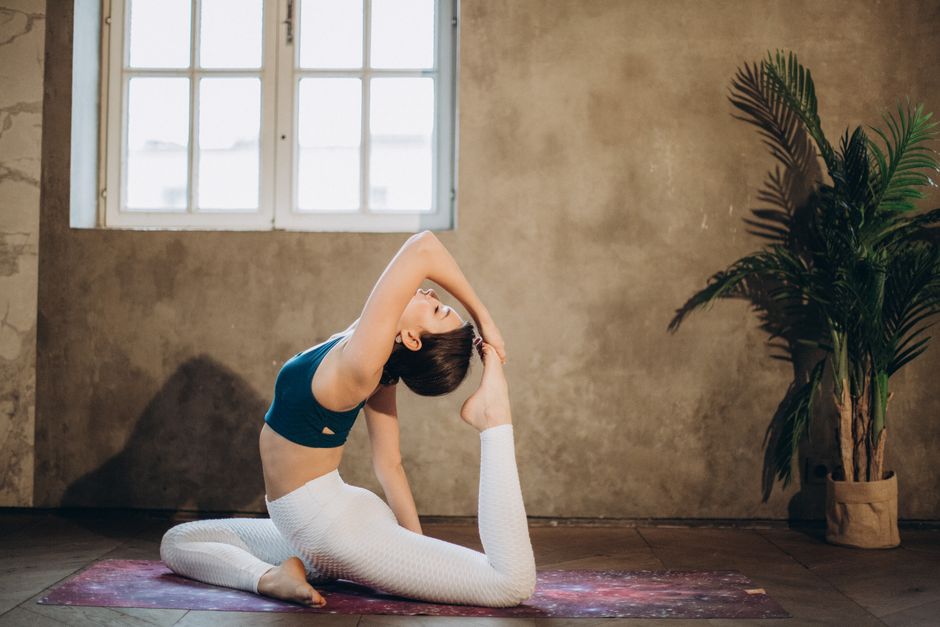
San Francisco's wellness boom has transformed yoga from a niche practice into a mainstream lifestyle choice. With over 150 studios scattered across the city—from the Presidio to the Sunset District—choosing the right style can feel overwhelming. The key is matching your practice to your life, not the other way around.
For the busy professional, power vinyasa and flow-based classes offer efficient full-body workouts in 45-60 minutes. These dynamic, sweat-inducing sessions are popular along the Valencia Corridor and in the Financial District, where lunchtime classes draw commuters seeking stress relief and cardiovascular benefits. Expect to pay $15–20 per drop-in class at most studios.
For outdoor enthusiasts, the Bay Area's hiking culture pairs naturally with yin yoga and restorative practices. These slower, longer-held poses complement the physical demands of trails in the Marin Headlands and Mount Tamalpais. Many practitioners find that yin's 3–5 minute poses prepare the body for weekend adventures, while reducing injury risk. Studios in the Marina and Marin County increasingly offer these styles.
For the mindfulness-focused, Kundalini and meditation-based practices emphasize breath work and spiritual grounding. Classes incorporating pranayama (breathing techniques) have gained traction in neighborhoods like the Haight and Inner Sunset, where wellness-conscious communities seek deeper mental clarity beyond physical fitness. These sessions typically run 75–90 minutes and cost $18–25.
For accessibility and affordability, community studios and nonprofits offer sliding-scale or donation-based classes. Organizations operating across neighborhoods like the Tenderloin and SoMa prioritize equity, recognizing that yoga's mental health benefits shouldn't be gatekept by premium pricing.
For hybrid lifestyles, hybrid classes blending vinyasa flow with meditation are increasingly common. These bridge the gap between cardio-focused practitioners and those seeking contemplative practice, appealing to San Francisco's time-pressed population balancing work, fitness, and mental wellness.
UCSF research has documented yoga's effectiveness for stress reduction and pain management, validating what local practitioners already know: consistency matters more than intensity. Whether you're cycling the Bay Trail, running through Golden Gate Park, or managing desk-bound tension, there's a yoga style designed for your schedule and goals. Start by trying three different styles—notice which one you actually return to, not which one you think you should do.
This article was compiled by AI from the sources linked above and screened before publishing. See our editorial standards.
How does this story make you feel?
Spread the word
About this article
Published by The Daily San Francisco
Daily brief
Free, in your inbox before 7am. Weekdays.
More in Wellness