Venture Capital Billions Reshape San Francisco While Inequality Widens
As venture capital pours billions into startups, Bay Area founders and investors face mounting questions about whose problems get solved—and whose get left behind.
As venture capital pours billions into startups, Bay Area founders and investors face mounting questions about whose problems get solved—and whose get left behind.
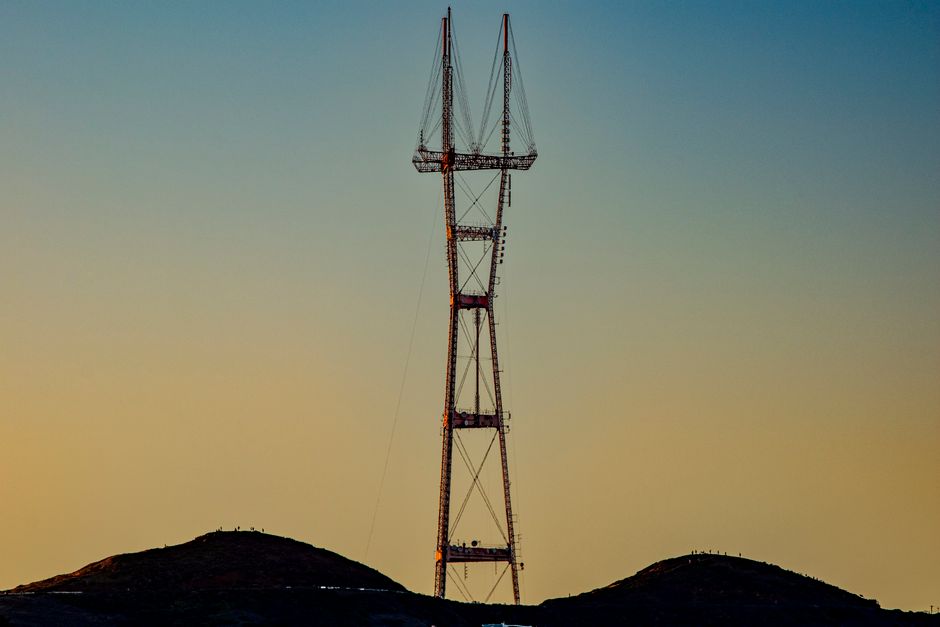
The gleaming glass towers of SOMA and the converted warehouses of the Mission District tell a familiar story: San Francisco remains the epicenter of startup ambition. Yet beneath the surface of pitch decks and Series B fundraising, a more complicated narrative is taking shape.
Last year, Bay Area startups raised $47 billion in venture funding, according to industry trackers. That capital concentration has turbocharged innovation in artificial intelligence, biotech, and climate solutions. But it has also intensified a troubling pattern: venture money flows overwhelmingly toward a narrow demographic of founders and toward technologies that serve wealthy users.
Walking from One Market to the venture capital offices clustered near California Street, the geography of opportunity becomes visible. Women and founders of color continue to receive less than 15 percent of VC funding nationally, a gap that persists despite years of diversity commitments. In San Francisco's competitive landscape, where office space near the Ferry Building runs $80 per square foot annually, unequal access to capital means unequal access to this city itself.
The ethical questions cut deeper than representation. Several high-profile startups backed by prominent Sand Hill Road firms have faced scrutiny over algorithmic bias, labor practices, and the displacement pressures their success creates. When a fintech unicorn values its platform at $10 billion while its content moderation contractors work for subsistence wages, it raises hard questions about whose prosperity the venture model actually produces.
Then there's the geopolitical dimension. As federal scrutiny of tech-China connections intensifies, some founders report pressure to distance themselves from collaborators and markets based on national security concerns. The venture ecosystem, born from post-Cold War American confidence, now navigates a more fragmented world—one where funding decisions carry implications beyond quarterly returns.
Not everyone sees cause for alarm. Venture funding has democratized access to capital compared to previous eras. It has enabled founders working from modest offices in the Tenderloin or Outer Sunset to scale globally. Climate tech companies funded through local VCs are genuinely addressing existential challenges. The question isn't whether venture capitalism works—it clearly does for some.
The question is: works for whom? As San Francisco faces its own affordability crisis, with median rents exceeding $3,000 monthly, the startup ecosystem's success has become inseparable from the city's displacement pressures. The venture model that built San Francisco's global influence now tests its conscience.
The city's next chapter won't be written in quarterly earnings reports. It will be measured in whether the capital flowing through these neighborhoods solves problems for everyone, or just for those already positioned to benefit.
This article was compiled by AI and screened before publishing. See our editorial standards.
How does this story make you feel?
Spread the word
About this article
Published by The Daily San Francisco
Daily brief
Free, in your inbox before 7am. Weekdays.
More in tech


