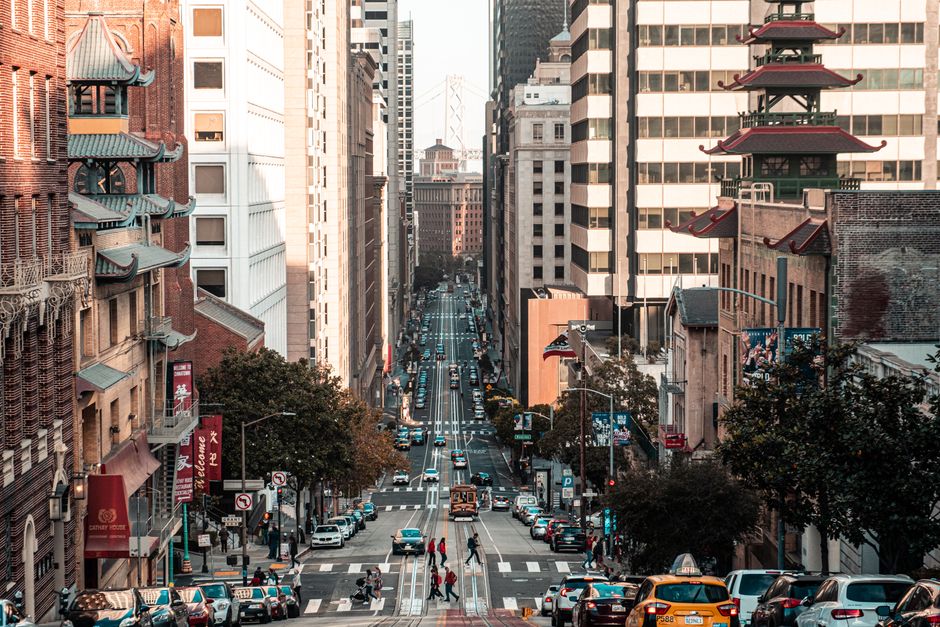
Walk down Howard Street on any Tuesday morning and you'll see the transformation: where traditional office parks once dominated, flexible coworking spaces now cluster like coffee shops. WeWork's lingering presence, coupled with newer entrants like Industrious and countless independent operators, has redrawn San Francisco's relationship with work itself. But beneath the polished aesthetics and promise of flexibility lies a more complicated reality.
The numbers initially seem promising. San Francisco's coworking market has grown 23 percent since 2023, with spaces now occupying nearly 4 million square feet across the city. Monthly desk rentals in premium locations—particularly around the Embarcadero and the renovated Dogpatch district—run $600 to $1,200, undercutting traditional office leases. For freelancers and startup founders, this democratization of workspace appears genuinely liberating.
Yet this same infrastructure raises troubling questions about labor protection and equity. Many coworking providers classify members as independent contractors rather than employees, sidestepping benefits, overtime protections, and union representation that traditional office workers enjoy. A worker spending 40 hours weekly in a SOMA coworking space may lack the legal safeguards their counterparts in corporate offices possess.
There's also the surveillance question. Coworking operators increasingly embed productivity monitoring software, facial recognition for access, and usage analytics into their offerings—data collection practices that often operate in regulatory gray zones. San Francisco's tech community, which has loudly championed privacy rights, seems paradoxically comfortable surrendering behavioral data in exchange for workspace flexibility.
Perhaps most concerning is the equity dimension. While privileged professionals cherry-pick desirable work arrangements, precarious workers—delivery drivers, content moderators, gig laborers—have few choices but to accept algorithmic oversight and zero safety nets. Coworking's promise of flexibility becomes a feature available primarily to those with existing economic cushions.
The city's Planning Commission and Board of Supervisors have begun scrutinizing these trends, yet regulation lags behind innovation. San Francisco prides itself on tech leadership, but genuine leadership would require confronting the uncomfortable truth: that our latest work revolution risks entrenching inequality rather than dissolving it.
The future of work in San Francisco needn't pit flexibility against protection. But realizing that balance demands we ask difficult questions now—about who truly benefits, who bears the risks, and whether convenience for some justifies precarity for many. The coworking revolution is here. The ethical reckoning should be too.
This article was compiled by AI and screened before publishing. See our editorial standards.