How Fintech Is Reshaping Money for San Francisco's Everyday Residents
From the Mission District to the Tenderloin, blockchain-based banking and digital wallets are changing how locals pay bills, send remittances, and build wealth.
From the Mission District to the Tenderloin, blockchain-based banking and digital wallets are changing how locals pay bills, send remittances, and build wealth.
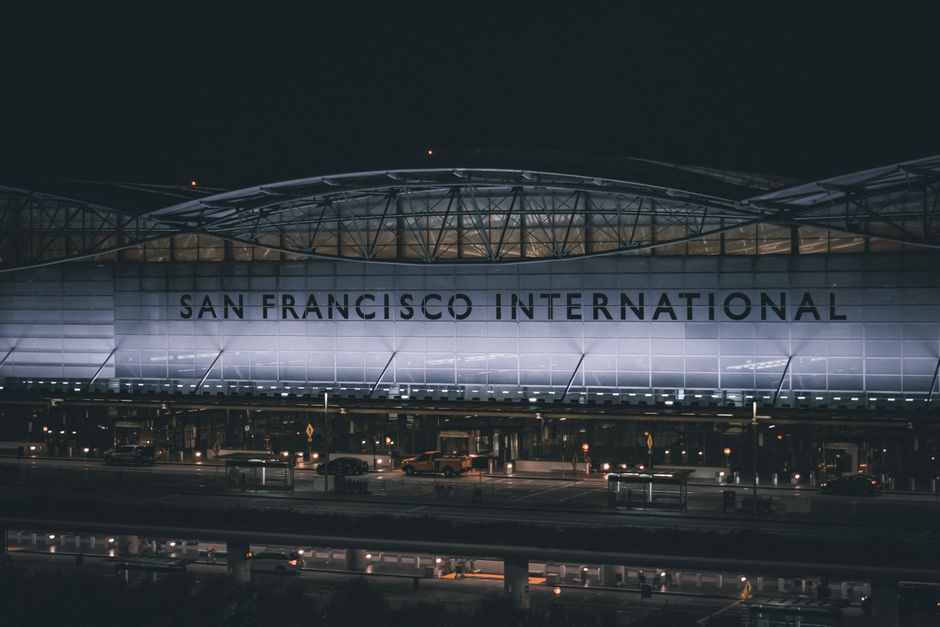
Walk into any coffee shop on Valencia Street and you'll notice something that would have seemed impossible five years ago: nearly half the transactions happen without a traditional bank card. San Francisco residents are increasingly turning to fintech solutions that bypass the old banking infrastructure altogether, creating a parallel financial ecosystem that's reshaping how ordinary people manage money.
The shift is particularly pronounced among the city's immigrant communities. In the Mission District, where the median household income sits around $68,000 annually, residents once paid 5-8% fees to send money to family abroad through Western Union and similar services. Now, apps built on distributed ledger technology allow the same transfers for less than 1%, with funds arriving in minutes rather than days. A $500 monthly remittance—common for families supporting relatives in Central America or Southeast Asia—saves $30-40 each month.
But the transformation extends far beyond remittances. In neighborhoods like the Tenderloin and South of Market, where unbanked and underbanked populations face predatory lending from check-cashing services, new platforms are offering micro-lending and savings products without the gatekeeping of traditional banks. A resident earning $45,000 annually can now build credit and access emergency loans through algorithms that evaluate payment history and spending patterns rather than requiring a minimum balance or perfect credit score.
Real estate—the eternal obsession of Bay Area residents—is being disrupted too. Down payment assistance programs leveraging tokenized assets have emerged to help middle-income San Franciscans navigate a market where median home prices exceed $1.3 million. These platforms pool fractional investments, allowing residents to participate in property equity without the $200,000+ down payment traditionally required.
The technology isn't without friction. Regulatory uncertainty remains, and not everyone trusts an algorithm with their family's savings. Older residents, particularly in neighborhoods with lower digital literacy, still prefer physical bank branches—though even those are disappearing from lower-income areas. Meanwhile, cybersecurity concerns loom large as criminals increasingly target fintech users unfamiliar with digital security practices.
Yet the momentum is undeniable. By early 2026, roughly 34% of San Francisco adults actively use at least one fintech service for banking, investing, or lending—nearly double the national average. Whether this represents genuine financial democratization or a new kind of inequality depends largely on how equitably these tools are distributed across the city's vastly different neighborhoods and income levels.
This article was compiled by AI and screened before publishing. See our editorial standards.
How does this story make you feel?
Spread the word
About this article
Published by The Daily San Francisco
Daily brief
Free, in your inbox before 7am. Weekdays.
More in tech


