Why San Francisco's Tech Ecosystem Remains Globally Unmatched: Even as Rivals Close In
From venture capital density to cross-pollination between academia and industry, the Bay Area's competitive advantages run deeper than geography alone.
From venture capital density to cross-pollination between academia and industry, the Bay Area's competitive advantages run deeper than geography alone.
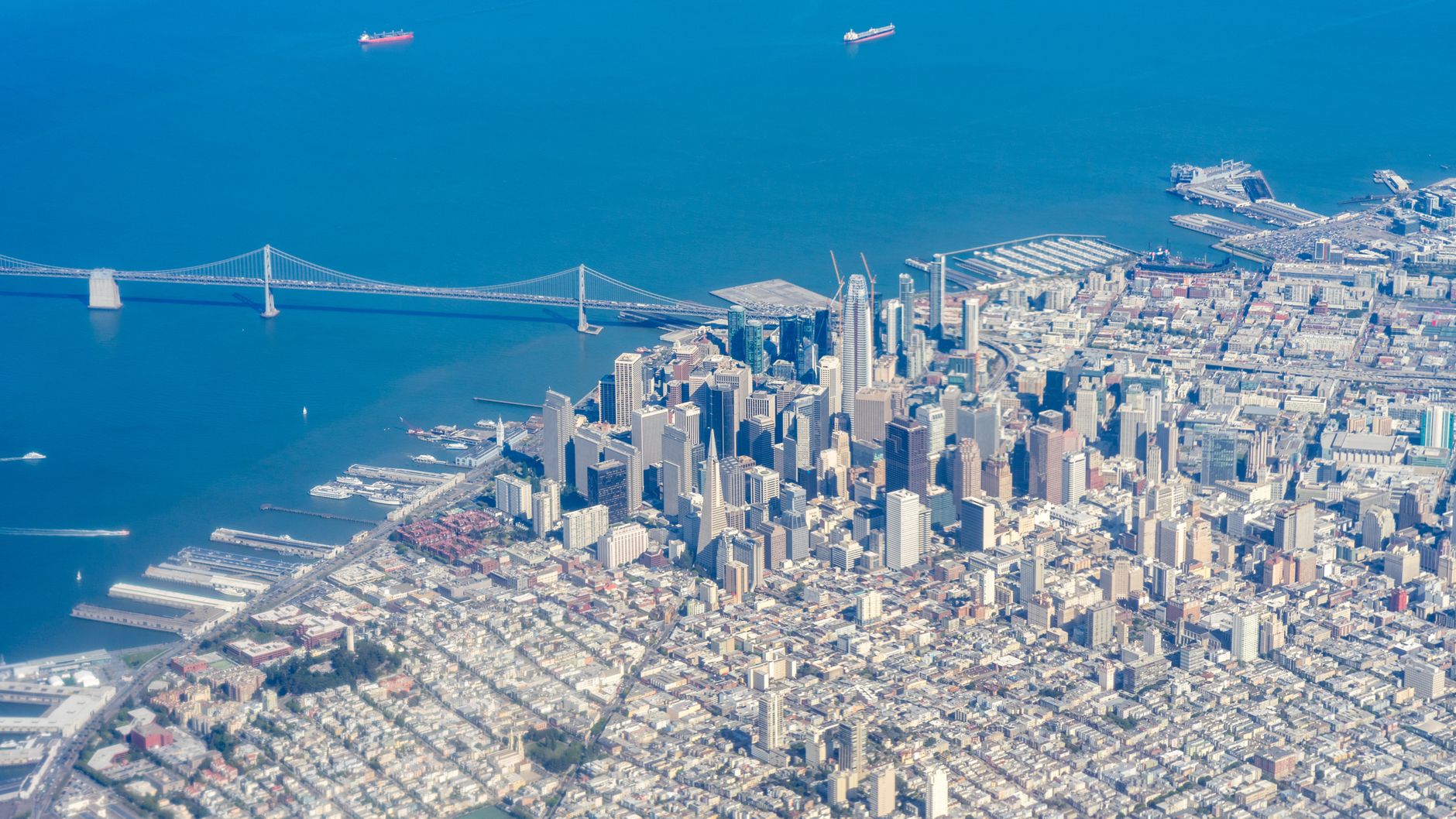
Walk through South of Market on any given Tuesday, and you'll encounter startup founders pitching to investors at a coffee shop, engineers debating machine learning approaches, and recruiters scouting talent for their next hire. This isn't unique to San Francisco-but the scale and infrastructure supporting it arguably is.
The city's tech ecosystem has evolved far beyond its reputation as a venture capital playground. What makes San Francisco distinctive, even as Austin, Miami, and overseas hubs aggressively court startups with tax incentives and lower real estate costs, is a self-reinforcing network of interconnected advantages that remain difficult to replicate.
Consider the venture capital concentration alone. The Bay Area accounts for roughly 40 percent of all US venture funding, with Sand Hill Road in Menlo Park and the Financial District remaining epicenters of deal-making. But venture density alone doesn't explain resilience. It's the feedback loop: successful founders become investors, mentors, and board members at the next generation of companies. This creates institutional knowledge about scaling, fundraising, and navigating growth that younger ecosystems simply haven't accumulated.
Then there's proximity to established technology giants. Apple, Google, Meta, and Tesla operate massive engineering hubs across the Bay Area. This creates a talent market unlike anywhere else-engineers can move between a 20-person startup and a multinational corporation without leaving the region, enabling experimentation and risk-taking. The median software engineer salary in San Francisco sits around $165,000, according to recent labor data, reflecting intense competition for talent.
The city also maintains deep ties to Stanford and UC Berkeley, institutions that actively commercialize research. Hundreds of companies have emerged from Stanford's computer science and engineering programs alone. Meanwhile, organizations like Y Combinator's presence in San Francisco (though technically headquartered in Mountain View) continues to funnel promising founders into the local ecosystem.
Real estate costs-a persistent challenge-paradoxically reinforce the ecosystem's distinctiveness. The high barrier to entry filters for founders with genuine conviction or access to capital, while creating pressure to innovate efficiently. Companies born from SF's constraints often scale more effectively when expanding to cheaper markets.
What fundamentally distinguishes San Francisco is this density of overlapping networks. A founder can attend a talk at the Commonwealth Club, connect with a mentor from a previous venture, pitch to investors who've backed similar companies, and recruit engineers trained at nearby universities-all within a day. That ecosystem advantage remains real, even if the city's dominant cultural position in tech has genuinely shifted. It's worth watching where the next wave of category-defining companies emerge from.
This article was compiled by AI and screened before publishing. See our editorial standards.
How does this story make you feel?
Spread the word
About this article
Published by The Daily San Francisco
Daily brief
Free, in your inbox before 7am. Weekdays.
More in tech