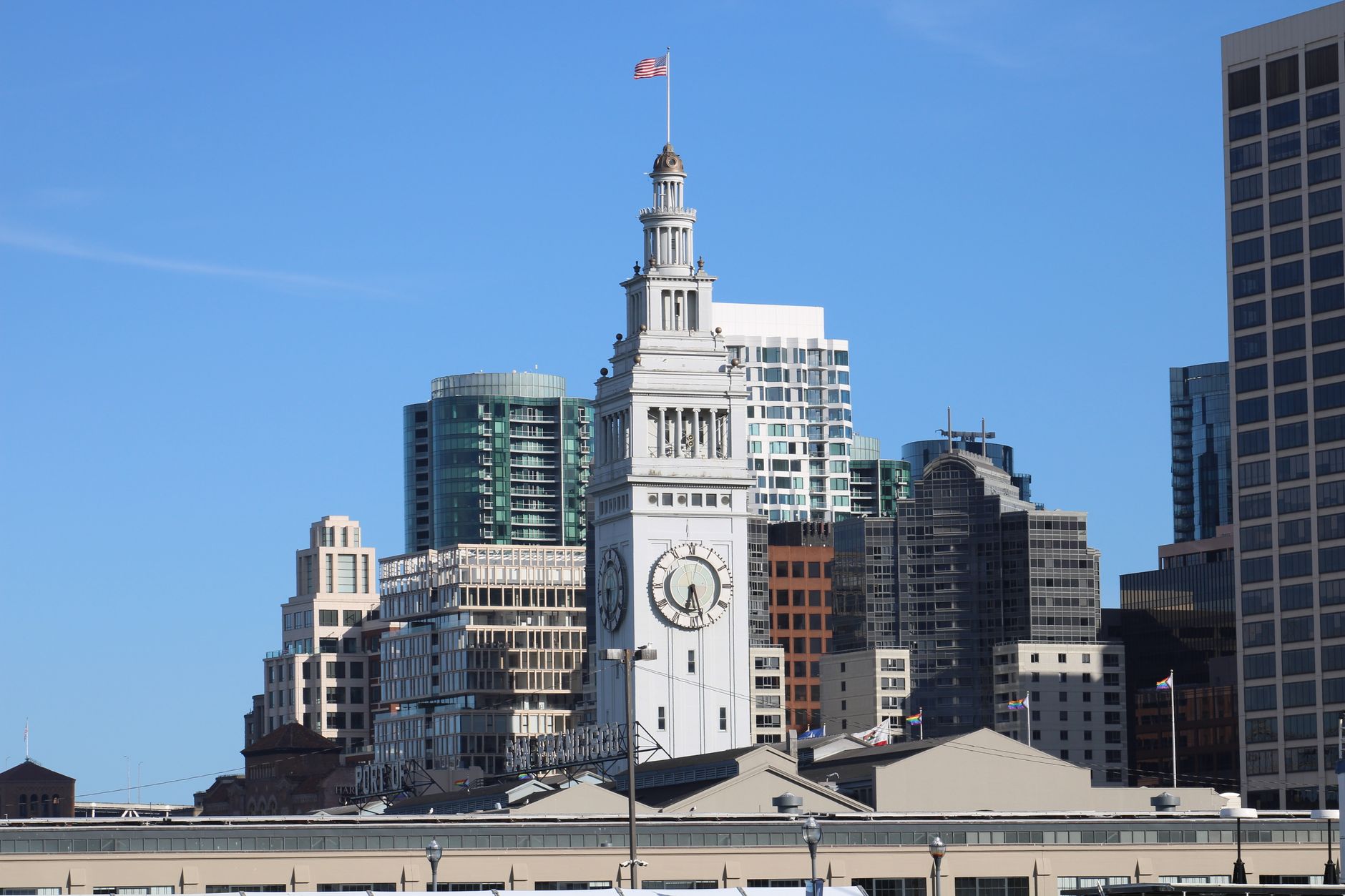
Walk through the South of Market district on any weekday and you'll see the physical manifestation of San Francisco's fintech dominance: gleaming office towers housing dozens of payment processors, lending platforms, and digital asset firms that collectively manage hundreds of billions in customer funds. Yet beneath the venture capital optimism and sleek mobile interfaces lies a more complex reality—one where rapid innovation is colliding with regulatory uncertainty, consumer protection gaps, and profound ethical questions about financial inclusion.
The numbers tell a compelling story. The Bay Area hosts roughly 40 percent of the nation's fintech startups and attracts more venture capital to the sector than any other region globally. Companies headquartered in neighborhoods from the Mission to SOMA have fundamentally reshaped how Americans borrow, invest, and transfer money. But this disruption has consequences.
Consider algorithmic lending, a cornerstone of fintech's value proposition. Automated underwriting promises speed and objectivity, yet researchers have documented persistent bias in these systems. A borrower's zip code—still too often a proxy for race—can affect approval rates and interest charges, even when unintended by developers. Firms operating from gleaming offices near the Ferry Building may deploy algorithms trained on historical lending data that perpetuates decades of discrimination.
The custody crisis presents another systemic vulnerability. When FTX collapsed in 2022, it exposed how blithely some fintech operators treated customer assets. While San Francisco-based firms largely avoided that particular catastrophe, many smaller digital banks and crypto platforms operate with minimal regulatory oversight. A customer's $10,000 savings can vanish overnight, with recourse unclear.
Data security remains perpetually fragile. As fintech companies consolidate banking functions—accounts, loans, investments, insurance—they become increasingly attractive targets for hackers. A breach affecting even one major platform could expose millions of customers to identity theft and financial fraud.
Perhaps most troubling is the question of financial equity. Fintech was supposed to democratize banking, making services cheaper and more accessible to underserved communities. In some cases it has. But many innovative products target high-net-worth individuals or require smartphone access and reliable internet—luxuries not universally available. San Francisco's homelessness crisis and persistent digital divides underscore how fintech's promise can reinforce existing inequalities.
Industry leaders gathering at conferences along Market Street often acknowledge these challenges in principle. But translating acknowledgment into structural change—building bias audits into product development, maintaining robust reserves, slowing growth to prioritize security—requires sacrificing the speed and margins that venture investors demand.
San Francisco's fintech ecosystem has genuinely improved financial services for millions. The question now is whether the industry can mature beyond disruption theater to build systems that are not merely innovative, but genuinely trustworthy.
This article was compiled by AI and screened before publishing. See our editorial standards.