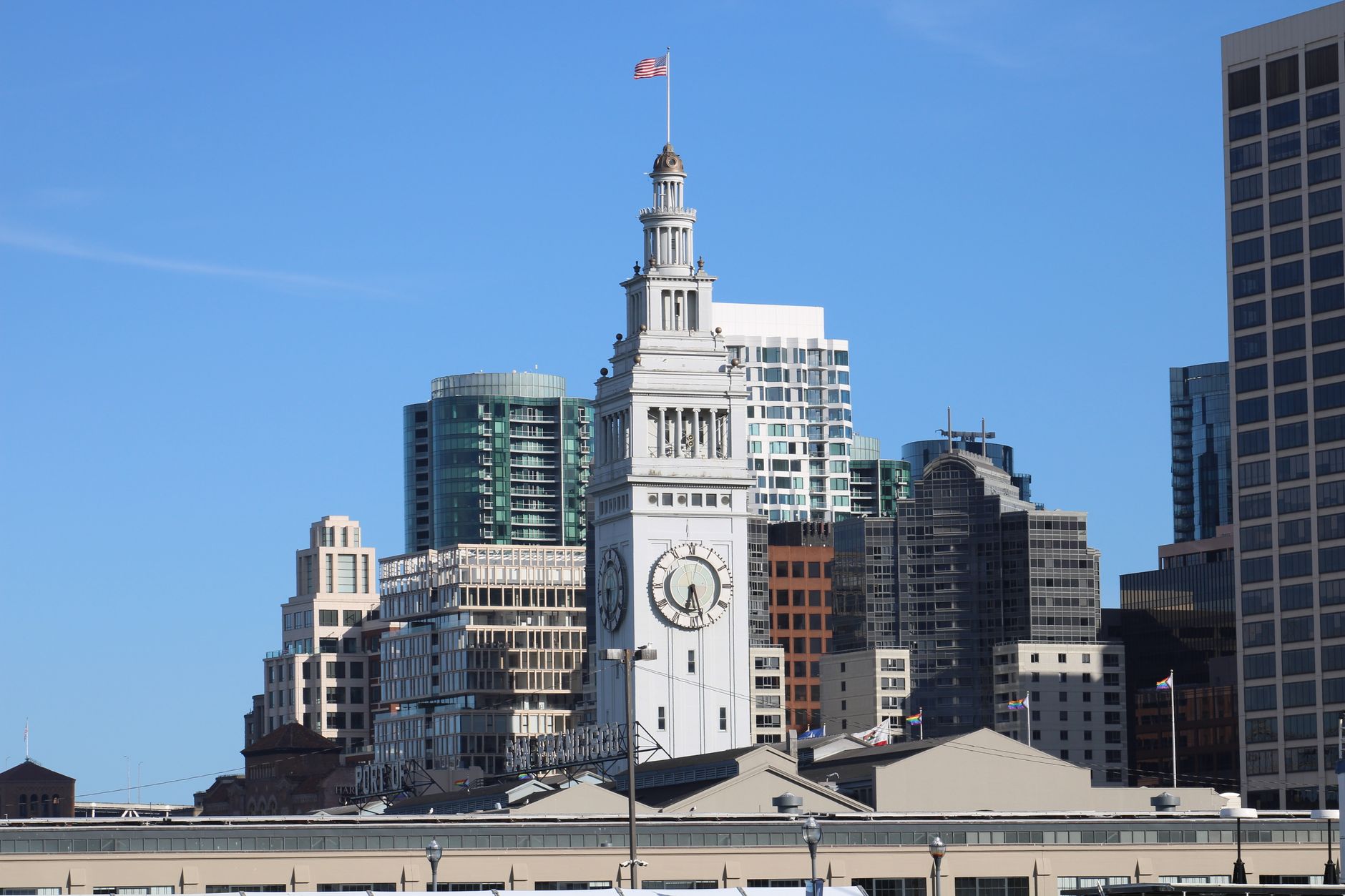
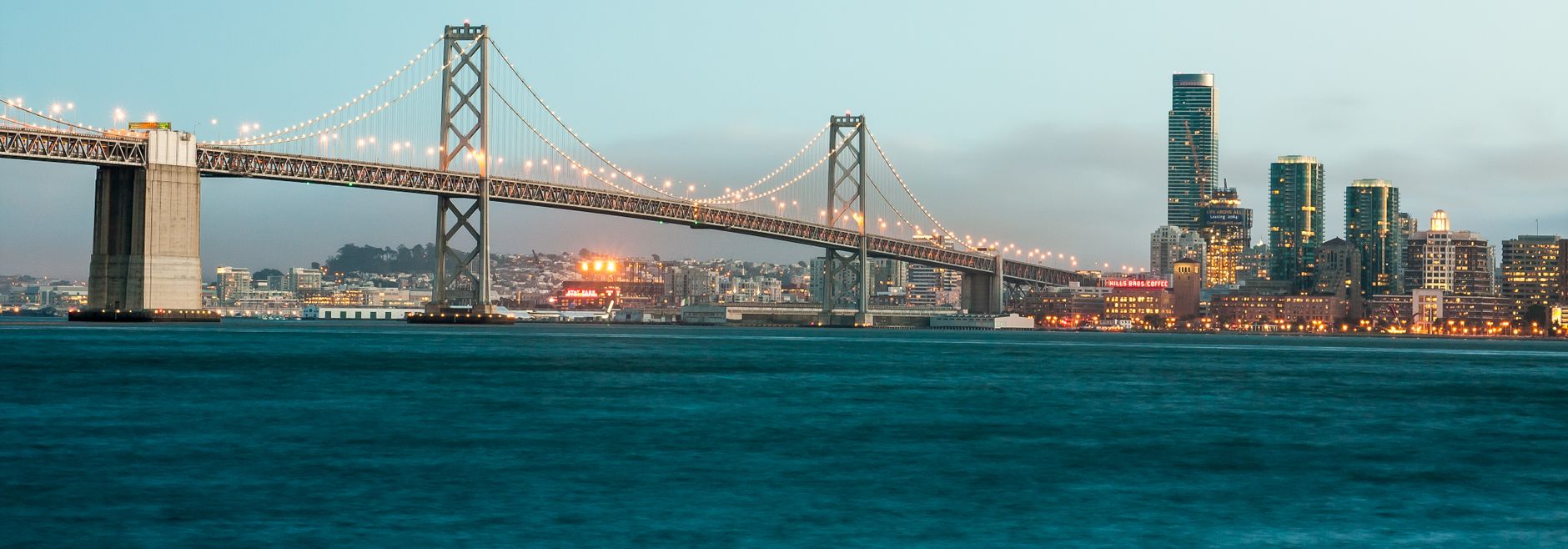
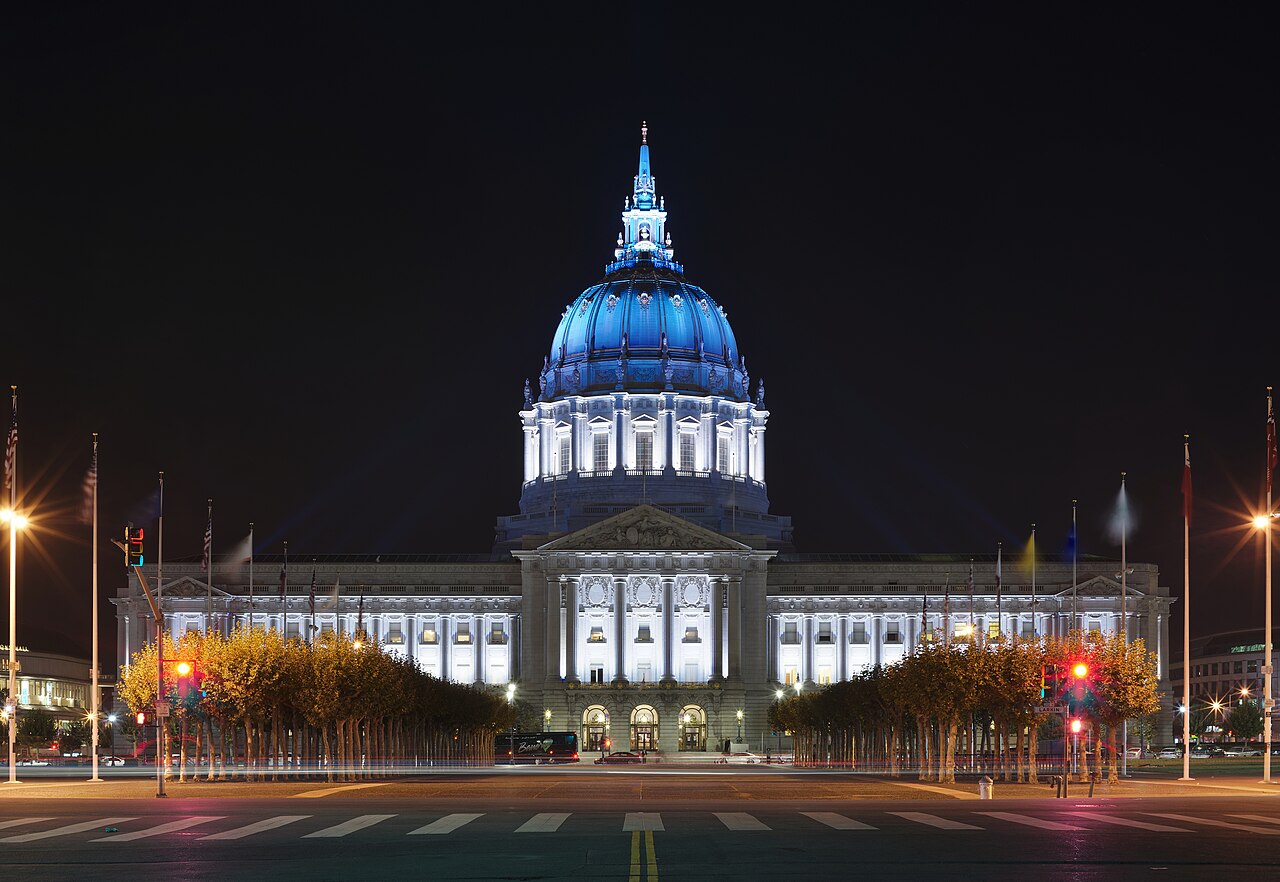
Walk down Valencia Street in the Mission District and you'll see the AI revolution playing out in real time. Storefronts advertise "AI-powered" services. Venture capital firms with names like "Neural Ventures" occupy renovated warehouses. Yet beneath the optimism lies a more complicated reality that's reshaping the fabric of San Francisco's business landscape.
The promises are undeniable. Local startups using AI for supply chain optimization have cut operational costs by 30-40%. Marketing agencies in SoMa are deploying machine learning tools that help small businesses compete with larger rivals. The economic potential is staggering-some estimates suggest AI could add $5 billion annually to the Bay Area economy by 2030.
But the challenges are equally stark. A survey by the San Francisco Chamber of Commerce found that 42% of small business owners worry AI will displace workers faster than new jobs can be created. Restaurants and retail shops along Market Street and in the Financial District report anxiety about automation eliminating entry-level positions that traditionally provided pathways to economic mobility for immigrant communities.
Then there's the bias question. Last year, a San Francisco-based AI auditing firm discovered that image recognition tools widely used by local retailers showed significantly higher error rates when identifying people of color. These tools determine who gets flagged for additional scrutiny-a fraught outcome in a city already grappling with equity concerns. The incident raised uncomfortable questions about whether San Francisco's tech leadership was replicating historical discrimination at scale.
Data privacy presents another minefield. Local law firms report a surge in businesses seeking guidance on AI systems that collect and analyze customer behavior. San Francisco's strict privacy ordinances, while protective, create compliance challenges that smaller operators on Fillmore Street and in the Tenderloin can barely afford to navigate.
Perhaps most contentious is the concentration of wealth. The AI boom has primarily enriched engineers and entrepreneurs, while service workers-who comprise a significant portion of San Francisco's workforce-face stagnant wages and possible job elimination. The median cost of living here already exceeds $130,000 annually for a family of four.
The question facing San Francisco isn't whether AI will transform local business-that's inevitable. It's whether the city can build guardrails around the technology to ensure benefits are broadly shared. That will require thoughtful regulation, corporate responsibility, and investment in worker retraining. Without it, San Francisco risks becoming a city of AI winners and everyone else.
This article was compiled by AI and screened before publishing. See our editorial standards.