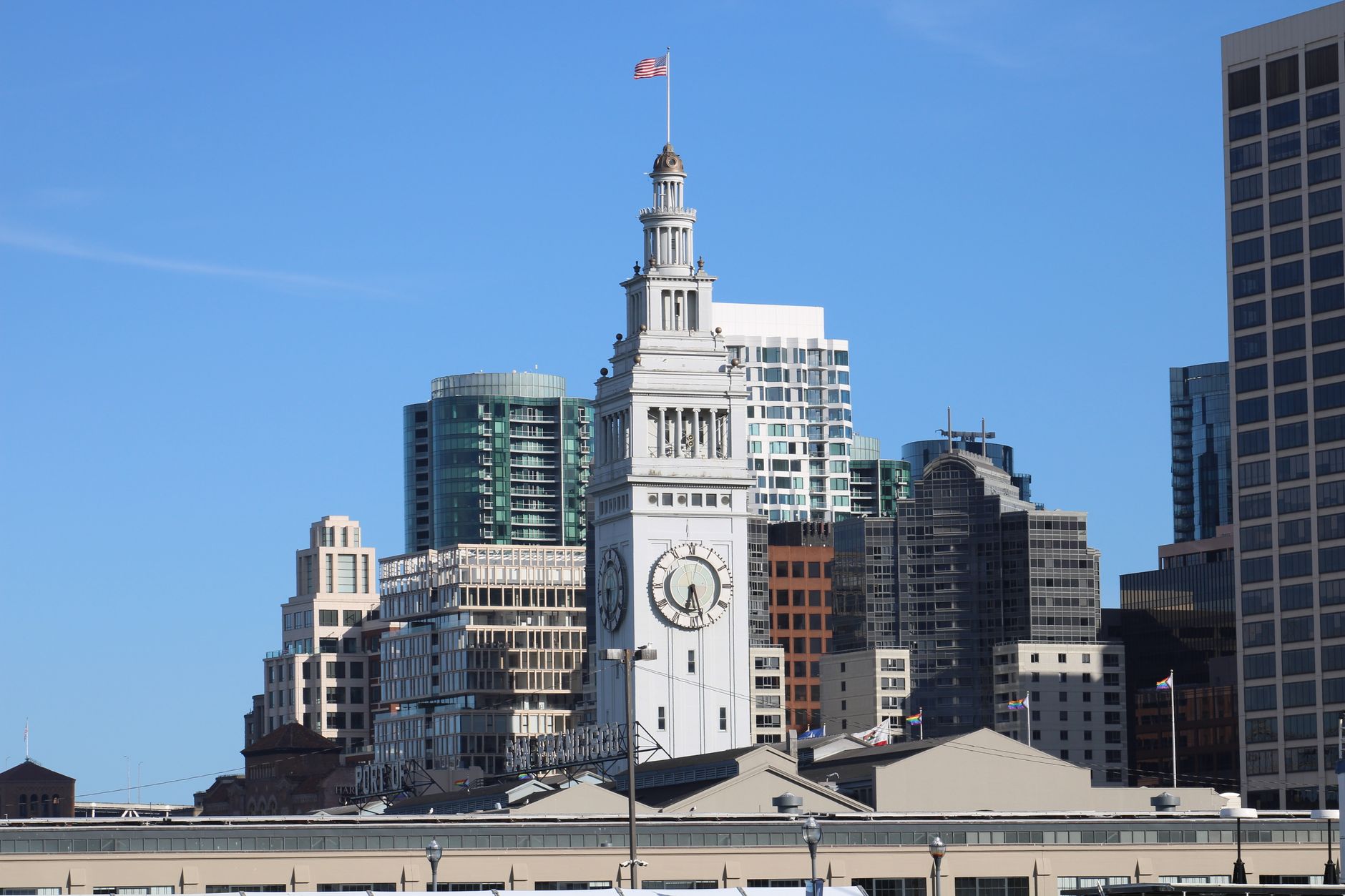
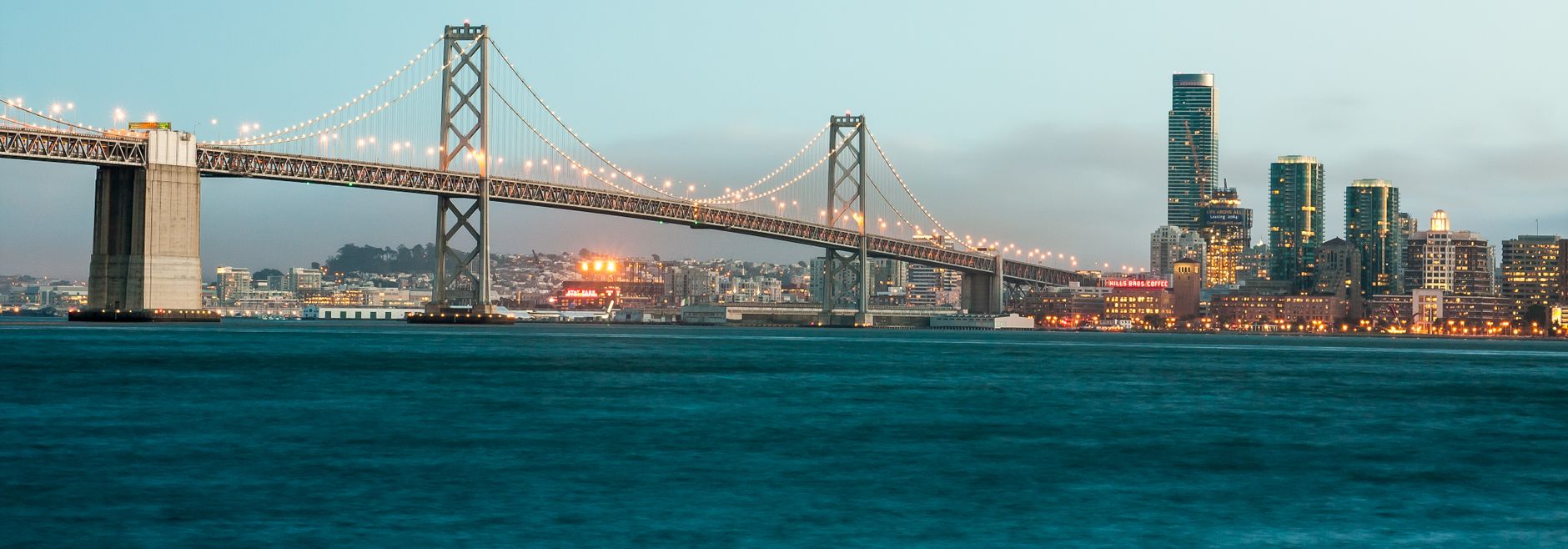
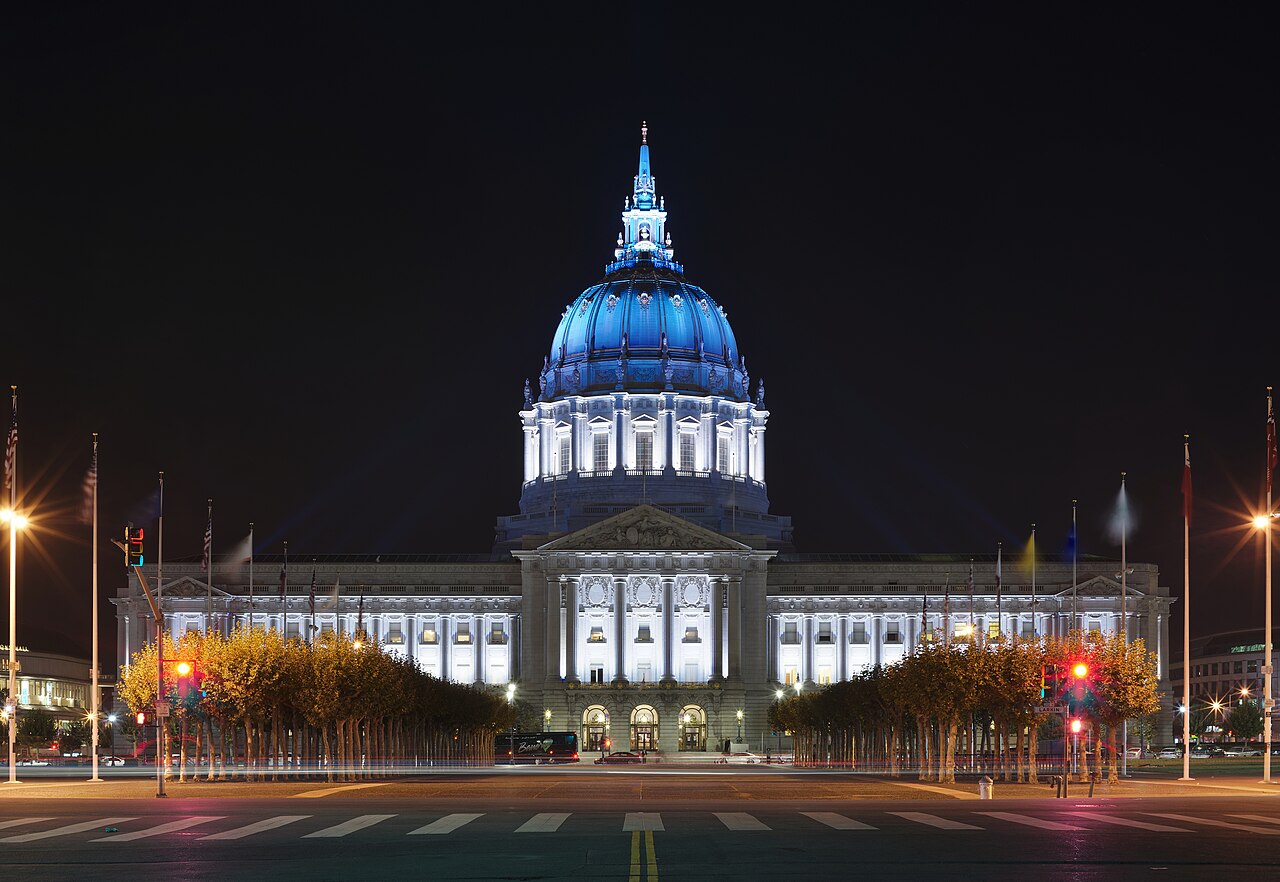
Walk into any coffee shop between the Ferry Building and the Embarcadero, and you'll overhear conversations about Series B rounds, banking-as-a-service platforms, and whether cryptocurrency regulations will ever stabilize. San Francisco's fintech ecosystem isn't just large-it's structurally different from every other financial innovation hub on Earth, shaped by a particular alchemy of venture capital abundance, technical talent density, and a regulatory environment that has historically tolerated failure at scale.
The numbers tell part of the story. The Bay Area accounted for roughly $28 billion in fintech venture funding through 2025, nearly double that of London and Singapore combined. But raw capital isn't what makes this ecosystem distinctive. It's the infrastructure that capital built.
Consider the geography. Sand Hill Road in Palo Alto remains the world's highest-concentration venture capital corridor, with firms like Sequoia and Andreessen Horowitz literally across the street from one another. That proximity creates a peculiar dynamic: when a Series A fintech startup moves into a SOMA office for $6,500 per month, they're not just renting desk space-they're entering an ecosystem where their investors' other portfolio companies are solving adjacent problems, where talent poaches occur between firms weekly, and where product-market fit can be achieved in 18 months rather than five years.
The city's technical workforce compounds this advantage. Stanford and UC Berkeley graduate approximately 1,200 computer science PhDs annually; a significant portion migrates to San Francisco. Unlike London's fintech scene, which relies on poaching talent from established banks, or Singapore's, which depends heavily on government incentives, San Francisco's talent pool regenerates organically from world-class universities within an hour's drive.
Then there's regulatory latitude. While New York's financial sector operates under intense scrutiny from federal regulators, and London answers to the FCA, San Francisco's startups have historically enjoyed room to experiment. Stripe, founded in 2010 in the Mission District, took seven years to achieve profitability-a timeline venture capital elsewhere would rarely tolerate. That permission to iterate has become embedded in the city's startup DNA.
But the ecosystem's competitive moat is eroding. Singapore's government has aggressively recruited fintech talent with visa incentives. Toronto's tech scene has matured considerably. Dubai is positioning itself as a crypto-friendly alternative. For the first time in two decades, San Francisco's fintech dominance isn't inevitable-it's something local investors, city planners, and founders will need to actively defend.
This article was compiled by AI and screened before publishing. See our editorial standards.