The venture capital firms clustered along Sand Hill Road in nearby Palo Alto have long been gatekeepers of Silicon Valley's wealth. But in 2026, the real action is happening in San Francisco itself, where AI-focused startups are attracting unprecedented investment levels that are reshaping the city's business geography and startup culture.
Data from local venture tracking services shows that AI-related companies in the Bay Area pulled in $28.5 billion during the first half of 2026 alone-a pace that would eclipse last year's total if sustained. A significant portion of that capital is flowing to San Francisco-based firms, many of which cluster in the buzzing South of Market neighborhood, where office rents have climbed to $85 per square foot annually, driven partly by demand from well-funded AI teams.
"We're seeing a fundamental shift in where founders want to build," says the ecosystem of accelerators and co-working spaces now sprouting across the city. The DNA of San Francisco's startup scene-always anchored in rapid experimentation and diversity of thought-has positioned the city as a magnet for AI talent and capital alike. Companies targeting healthcare applications, autonomous systems, and enterprise software have found the mix of engineering talent, design expertise, and venture appetite particularly conducive to scaling quickly.
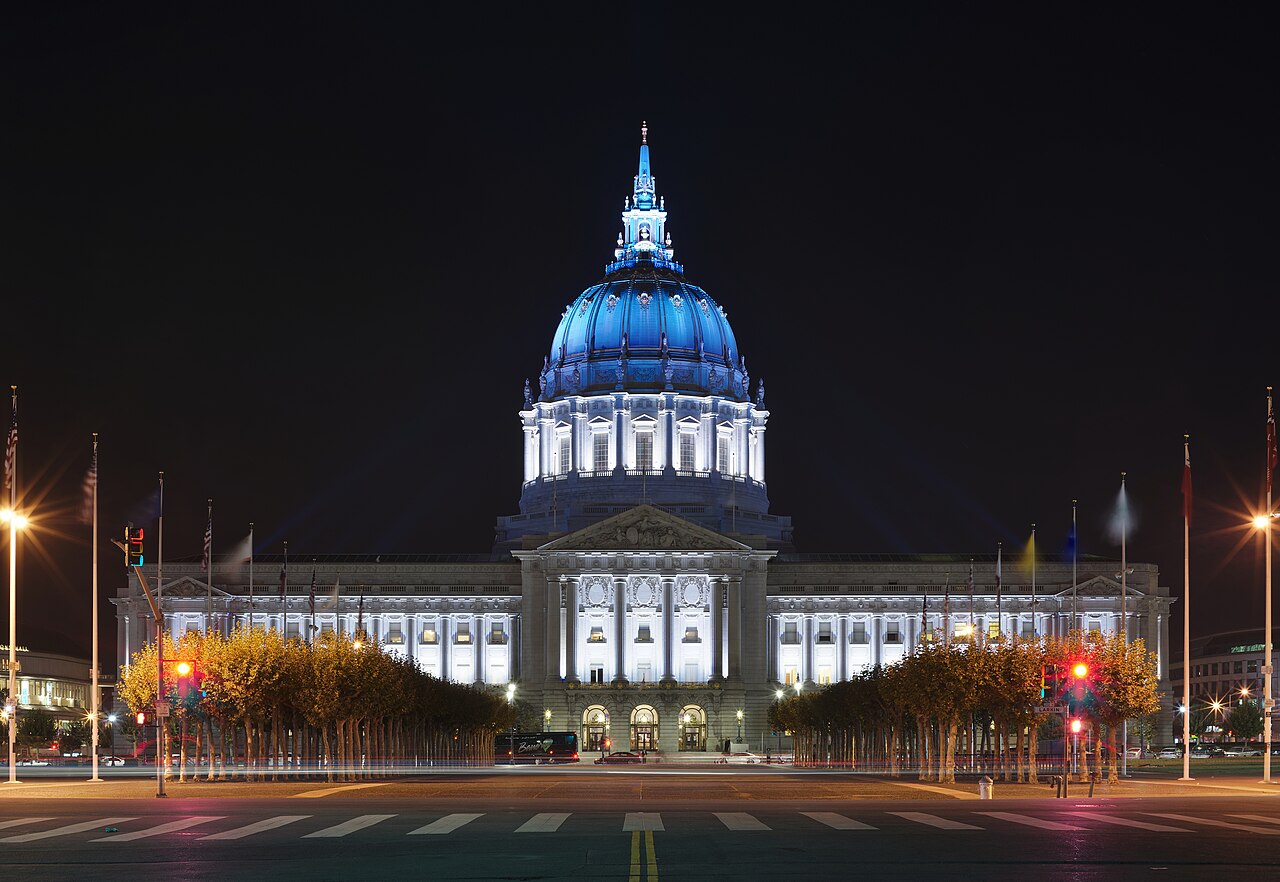
Neighborhoods beyond the traditional tech corridors are feeling the effects. The Mission District has seen an influx of AI-focused teams, while even the Civic Center area, long associated with nonprofits and government offices, is attracting startups leveraging AI for social impact. Real estate brokers report increased demand for mid-sized office spaces-1,000 to 5,000 square feet-as Series A and Series B AI companies seek homes for their expanding engineering teams.
The funding surge is creating tangible economic ripples. Local restaurants and service businesses around SOMA's popular lunch spots report increased weekday traffic, while co-working operators say their enterprise AI-focused memberships have doubled year-over-year. Yet the influx also raises familiar San Francisco tensions: rising rents and the question of whether wealth concentration will repeat previous boom-and-bust cycles.
Industry observers note that unlike previous tech waves, today's AI investment appears more geographically distributed, with capital flowing to established companies and established neighborhoods alongside brand-new ventures. Still, as venture dollars chase AI opportunities at historical volumes, San Francisco's business landscape continues its perpetual reinvention, driven once again by billions in capital chasing the next transformative technology.
This article was compiled by AI and screened before publishing. See our editorial standards.