San Francisco's approach to government technology has become a case study in how cities can move fast without breaking things-a distinction that sets it apart from peers competing in the global smart city arena.
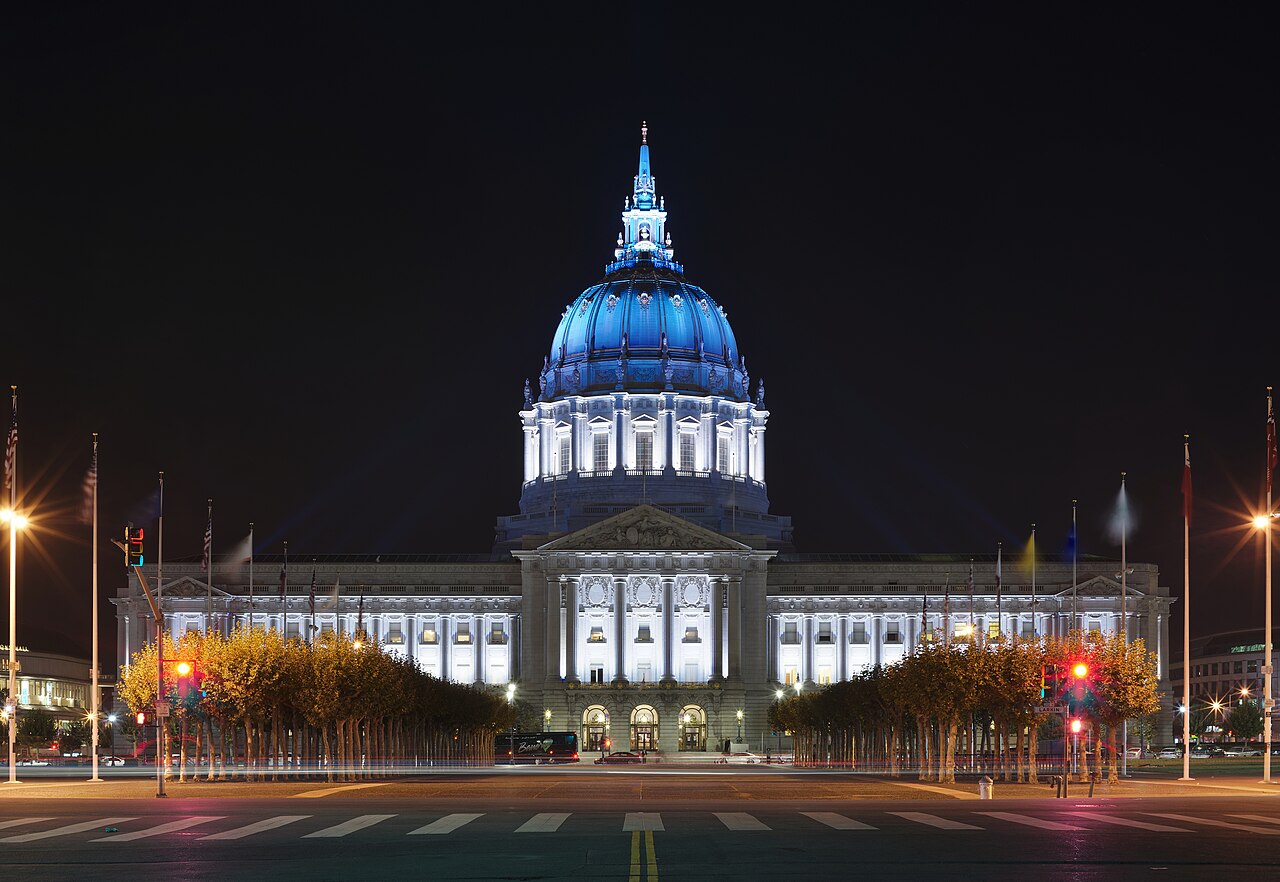
The city's public sector digital transformation isn't happening in isolation. It's embedded within an ecosystem where the venture capital flowing through Sand Hill Road intersects with city hall politics at the Civic Center, where startups in SOMA's converted warehouses build infrastructure that serves 815,000 residents, and where problems are treated as market opportunities.
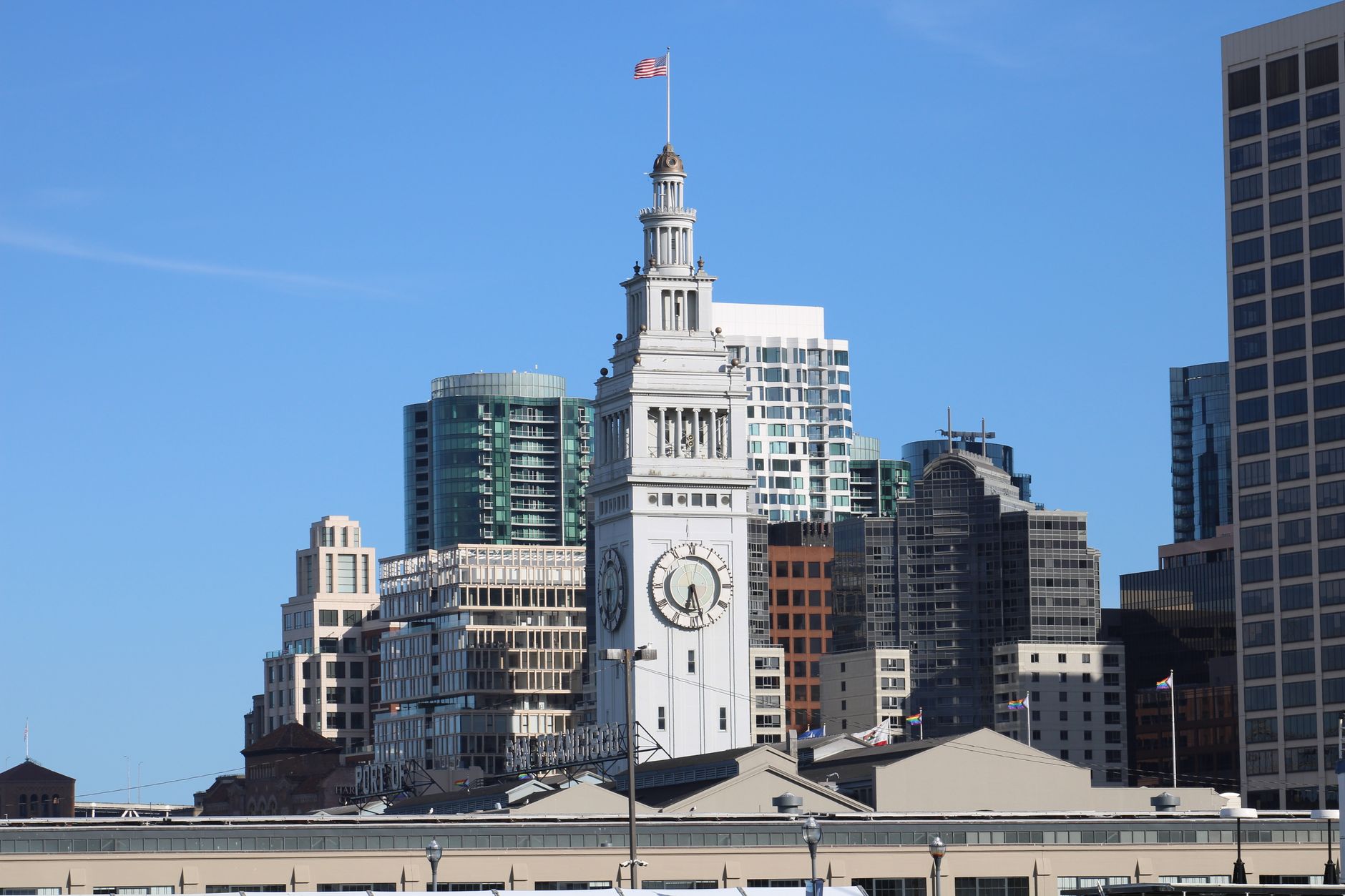
Consider the numbers. San Francisco has deployed over 25,000 IoT sensors across streets and public spaces, monitoring everything from air quality in the Mission District to parking availability near the Ferry Building. The city's Department of Technology budget has grown to $200 million annually-substantial for a city government, but modest compared to what private sector counterparts spend. That constraint breeds a particular kind of innovation: doing more with carefully allocated resources.
What makes San Francisco distinctive isn't just investment or ambition. It's the city's willingness to treat municipal problems as testbeds for new governance models. The Office of Civic Innovation, housed near Fort Mason, explicitly partners with startups and nonprofits rather than outsourcing wholesale to contractors. This creates a permeable boundary between civic need and technological solution.
Other major cities-Barcelona, Singapore, Copenhagen-have flashier smart city narratives. But San Francisco's ecosystem has a different characteristic: it attracts technologists who've already built companies, made money, and now want to tackle public problems. The churn of ambition is redirected toward infrastructure, equity, and governance rather than purely commercial extraction.
Housing affordability, homelessness, and transportation congestion haven't disappeared. But the city's approach-using data to inform policy, opening APIs so civic hackers can build solutions, and maintaining skepticism about technological solutionism-has become influential precisely because it's pragmatic rather than utopian.
The real test comes next. As other cities replicate San Francisco's models, as startups scale civic tech globally, and as pressure mounts to demonstrate that digital transformation actually improves lives, the city's ecosystem will face its defining challenge: proving that proximity to capital, regulatory experimentation, and civic intent can create sustainable public good, not just pilot programs.
That tension-between the city's tech industry DNA and its increasingly urgent social demands-is what distinguishes San Francisco's smart city journey from the rest of the world.
This article was compiled by AI and screened before publishing. See our editorial standards.