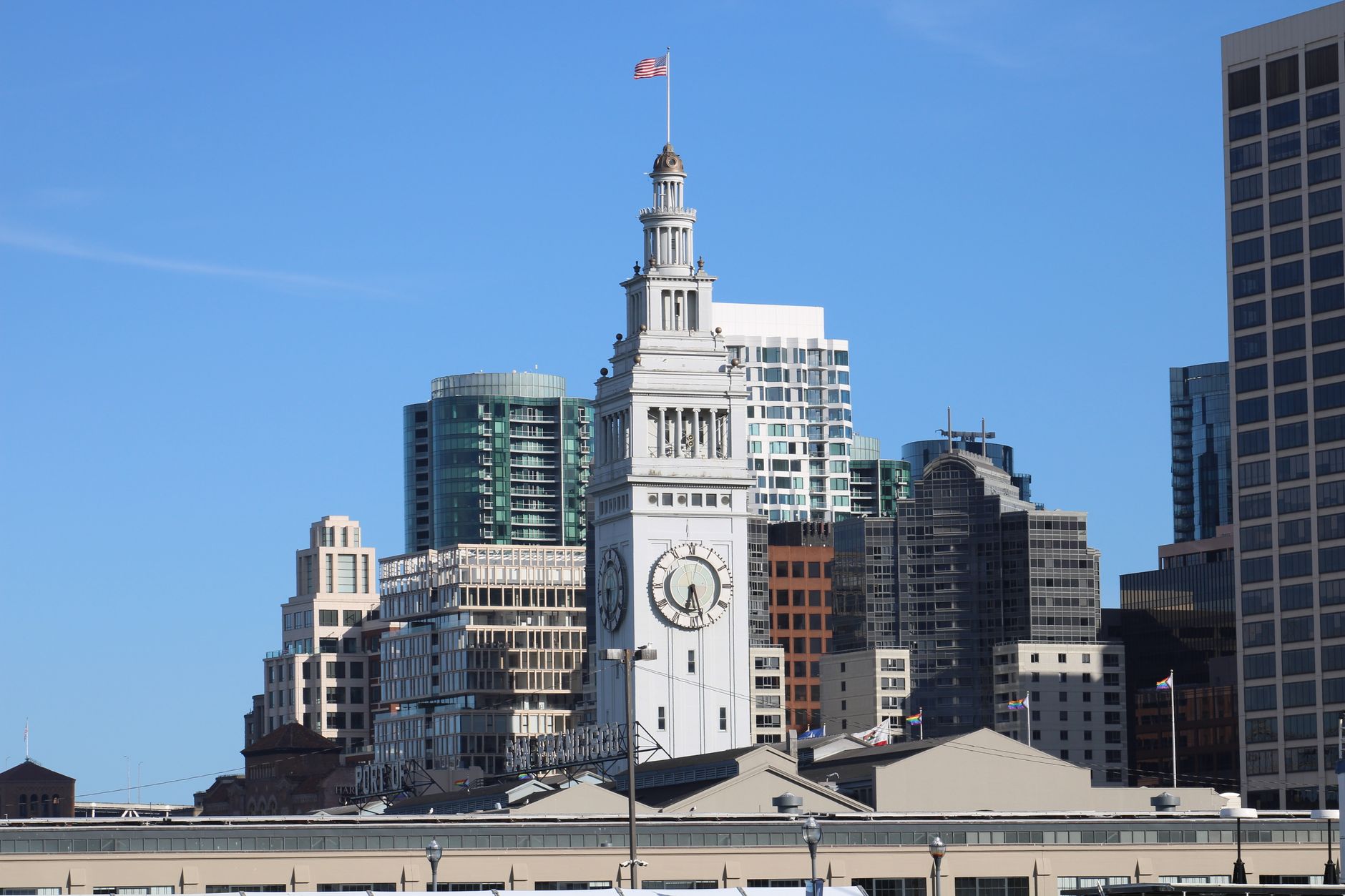
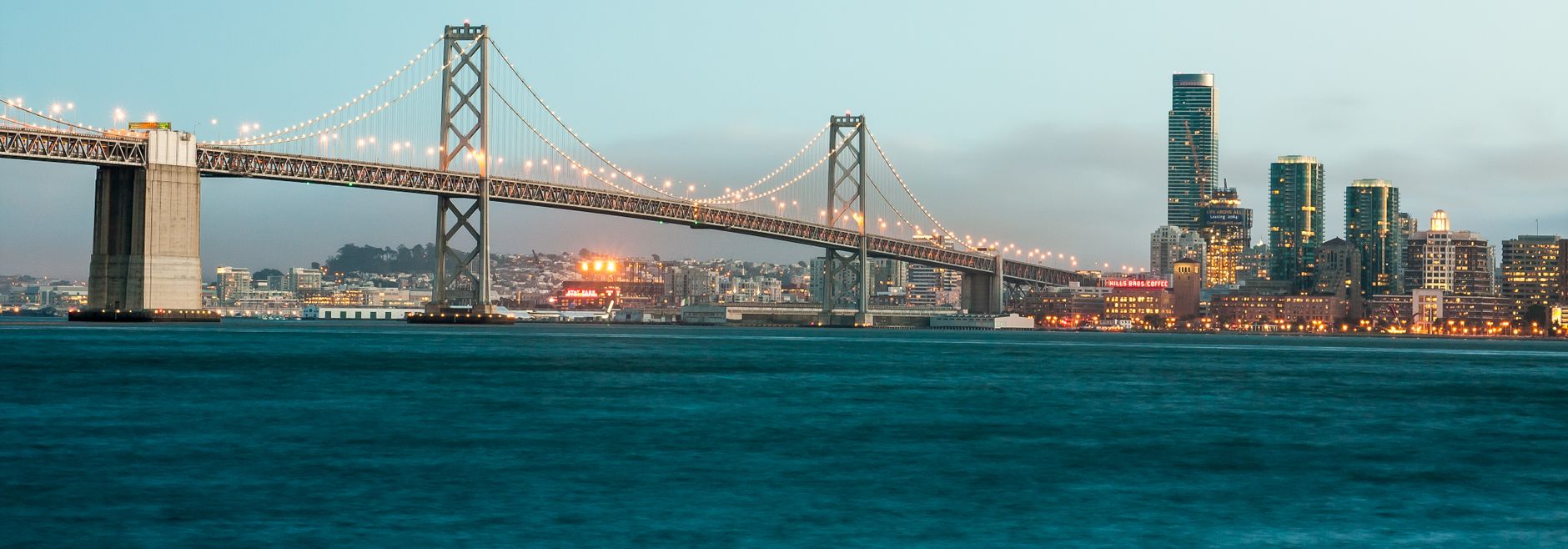
Walk down Sand Hill Road in Palo Alto or through the South of Market district, and you'll encounter a fintech concentration that has proven stubbornly resistant to disruption. Despite rising costs, talent migration to Austin and Miami, and the rise of Singapore and London as alternative hubs, San Francisco's financial technology sector continues to dominate global innovation in ways that go beyond mere historical momentum.
The numbers tell part of the story. The Bay Area captured approximately 28% of U.S. fintech venture funding in 2025, according to industry trackers, with median Series A rounds for financial services startups hitting $12 million—significantly above the national average. But the real distinctive advantage lies in infrastructure that took decades to build and remains difficult to replicate elsewhere.
First, there's the density of specialized capital. Unlike generic venture funds, the Bay Area hosts a concentration of fintech-focused investors who understand payments infrastructure, regulatory compliance, and cross-border settlement in granular detail. These aren't generalists; many cut their teeth at PayPal, Square, or Stripe. They sit in offices along California Street and Market Street, within walking distance of each other, creating a feedback loop that accelerates deal flow and knowledge transfer.
Second, regulatory pragmatism. The Federal Reserve's San Francisco branch maintains relationships with fintech founders that emphasize innovation within compliance frameworks rather than viewing regulation as purely restrictive. This contrasts sharply with some international competitors who face either rigid oversight or unclear guidelines. When a startup needs to navigate OCC guidance on digital assets or Fed expectations around real-time payments, proximity to regulators who've signaled openness matters.
Third, and perhaps most underestimated, is retention of institutional knowledge. The talent pool here includes not just engineers, but people who've scaled payments systems, managed fraud at scale, and navigated IPOs. A engineer considering moving to Miami for tax benefits might stay for access to mentors who've already built what they're attempting. Coffee meetings at Blue Bottle in SOMA or Ritual in the Mission often become informal advisory board sessions worth thousands in consulting fees elsewhere.
Finally, there's the network effect on customer acquisition. Banks, corporate treasurers, and institutional investors concentrate here. A fintech solving B2B financial operations has easier access to potential customers than a competitor in secondary markets.
The city faces real challenges: commercial real estate costs exceed $80 per square foot annually, top engineering talent commands $200,000+ salaries, and the outflow to cheaper metros remains real. Yet San Francisco's fintech ecosystem has proven that some competitive advantages—built on relationships, expertise, and institutional memory—are geographically sticky. That's why, despite everything, the city's financial innovation engine still runs faster than anywhere else in the world.
This article was compiled by AI and screened before publishing. See our editorial standards.