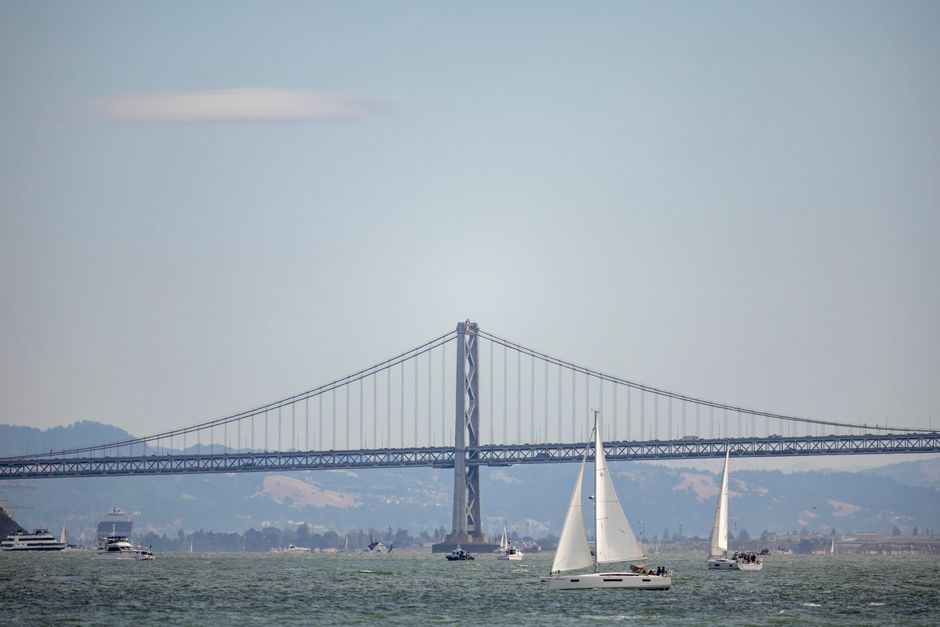
San Francisco's endurance sports community stands at a critical juncture. Summer typically brings the Bay Area's most grueling triathlon and cycling events, and 2026 promises to be no exception. From the Marin Headlands to the Golden Gate Bridge approaches, elite and age-group athletes are finalizing preparations for a season that could define their competitive year.
The Escape from Alcatraz Triathlon remains the region's flagship event, drawing nearly 2,000 competitors annually. This July's iteration will serve as a crucial qualifier for national championships, with course conditions expected to favor stronger swimmers given recent Bay water temperature patterns hovering around 58 degrees Fahrenheit. Local tri clubs report increased training cohorts over the past eight weeks, signaling serious intent among the region's competitors.
Equally significant is the burgeoning gravel and enduro cycling scene along routes through Sonoma and Marin counties. The Redwood Road climbing challenges near Mount Tamalpais have become increasingly popular as training grounds, with weekend group rides regularly exceeding 50 participants. Local bike shops report that gravel bikes and hardtail mountain bikes have outsold road bikes for the first time in a decade, reflecting shifting preferences among Bay Area cyclists.
Running remains foundational to regional endurance pursuits. The Bay to Breakers, while traditionally a May fixture, has spawned numerous summer trail running events across the Presidio and throughout the East Bay hills. These races serve as critical training benchmarks before autumn marathons and ultra-events.
Pricing dynamics have shifted noticeably. Entry fees for major triathlons now range from $185 to $275 for standard distance events, up roughly 18 percent from 2024. Training programs through organizations like Multisport Labs and Bay Area Triathlon Club range from $800 to $2,400 for twelve-week coaching cycles. Despite increased costs, registration demand remains strong, with several July events already at 85 percent capacity.
The competitive landscape has intensified as well. Local athletes are increasingly competitive at national levels, with San Francisco and Oakland-based competitors placing regularly in top-20 finishes at USA Triathlon National Championships. This elevated standard has ripple effects throughout the amateur ranks, where even age-group competitions have become more selective and demanding.
As July unfolds, the Bay Area's endurance sports infrastructure—from the Embarcadero's water-entry points to Mount Tamalpais's demanding trails—will host the region's most committed athletes at their peak performance window. The next six weeks will determine who advances to elite competitions and who settles for solid regional placings.
This article was compiled by AI and screened before publishing. See our editorial standards.