The numbers paint a revealing portrait of San Francisco's evolving relationship with fitness and community. According to data compiled by the Recreation and Parks Department, amateur league registrations across the city have surged 34 percent since 2023, with summer 2026 marking the highest participation rates on record for recreational sports clubs.
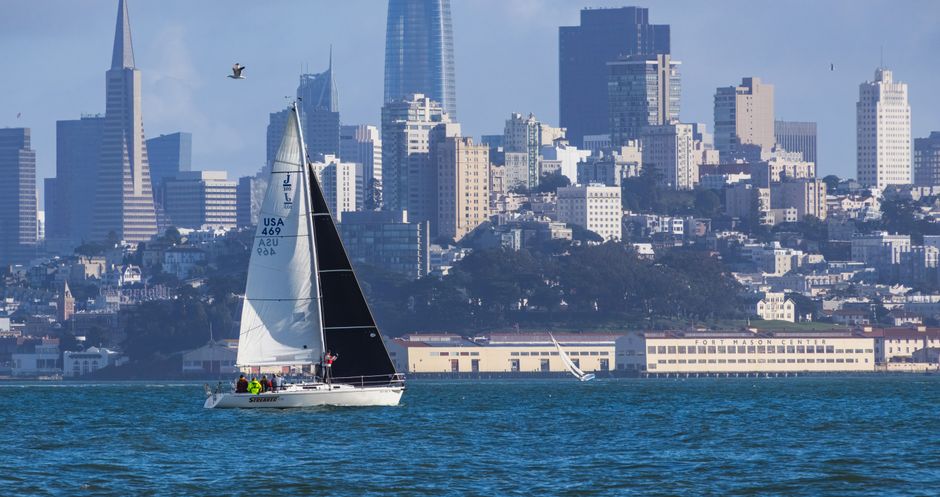
The shift is most pronounced in traditionally accessible sports. Co-ed recreational soccer leagues operating across venues like Mission Dolores Park and the fields at Fort Mason now boast waiting lists. The San Francisco Adult Soccer League, which coordinates play at multiple neighborhood hubs, reported 2,847 registered players this season—up from 1,890 three years ago. A typical Tuesday evening match costs participants $8 to $12 per game, with seasonal league fees running $140 to $200.
Running culture has exploded similarly. The Presidio Trail Runners, which meets weekly near the parade grounds, grew from 120 active members in 2024 to 340 by June 2026. The Embarcadero Running Club and various neighborhood groups operating out of Marina District and the Richmond have seen comparable expansion. Industry observers attribute this partly to affordability—most running clubs charge nothing or nominal dues of $3 to $5 monthly—making them accessible entry points for fitness-conscious residents across income brackets.
Basketball tells another story. The city's parks department oversees 47 outdoor courts, many along the Bayview waterfront and in the Mission. Open gym participation has climbed steadily, though formal league sign-ups remain flat, suggesting casual play outpaces organized competition.
Perhaps most telling: pickleball facilities in the city are now operating at 78 percent capacity during peak hours, double the usage rates from two years ago. New courts added near Lake Merced and in the Sunset District are already booked weeks in advance.
What does this signal about San Francisco's fitness culture? The data suggests a populace prioritizing social wellness and accessibility over elite-level performance. These aren't aspiring professionals; they're working professionals, parents, and retirees seeking regular engagement without significant financial or logistical barriers. The geographic spread matters too—participation isn't concentrated in affluent neighborhoods but distributed across the Mission, Bayview, and Outer Sunset, indicating broad demographic reach.
As pandemic-era isolation recedes into memory, San Francisco appears to be choosing community-based, recurring physical engagement. The numbers don't lie: this city is moving more, together.
This article was compiled by AI from the sources linked above and screened before publishing. See our editorial standards.