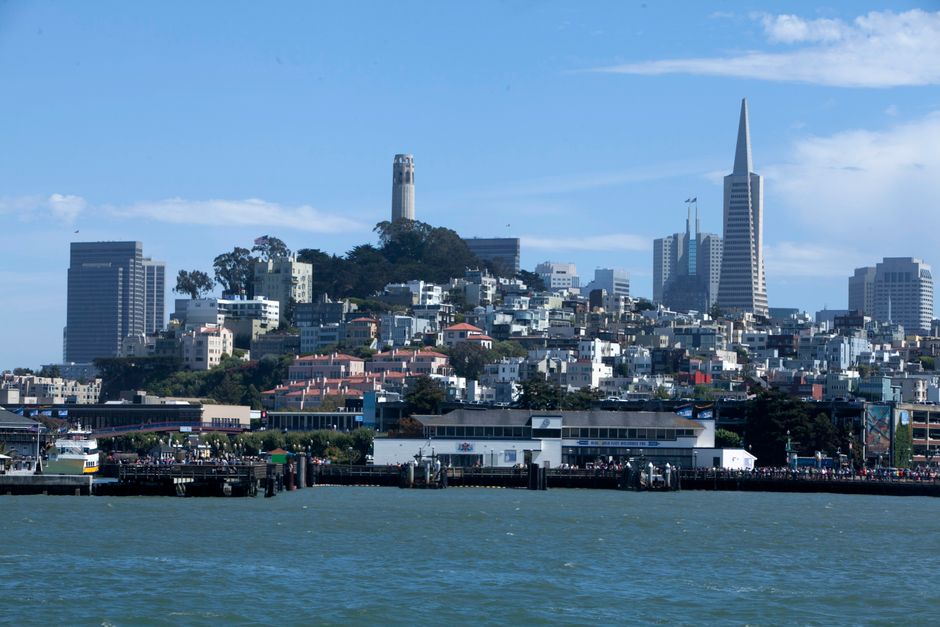
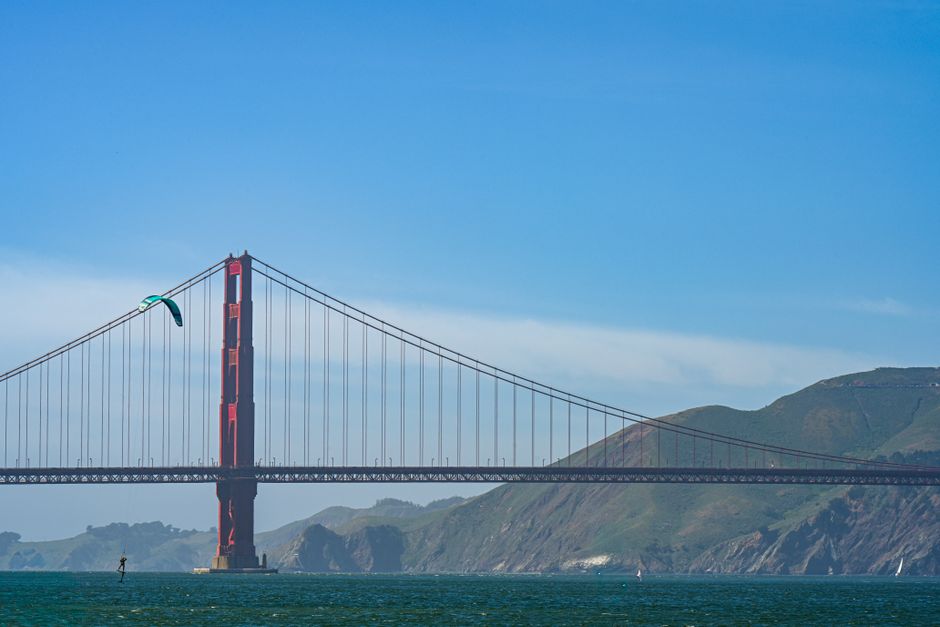
San Francisco's aquatic infrastructure tells a story of ambition, investment, and geographic fortune. While most visitors marvel at the Golden Gate Bridge from land, serious swimmers and water sports enthusiasts know the real magic happens both in the bay and beneath meticulously maintained indoor facilities across the city.
The Avery Aquatic Center in the Marina District stands as the crown jewel of local pool infrastructure. Built to Olympic specifications and renovated extensively in recent years, the facility features a 50-metre competition pool, diving well, and warm-water teaching pool—serving everything from age-group competitive swimmers to masters programmes. Day passes run $15 for non-members, with monthly memberships around $89, making it accessible compared to comparable facilities in Los Angeles or Silicon Valley.
But the Marina's offerings extend beyond traditional pools. The bay itself has transformed into a legitimate open-water swimming destination, with designated areas near Aquatic Park now regularly hosting swimmers tackling 1.5-kilometre routes during summer months. The Dolphin Club and South End Rowing Club, historic institutions on the waterfront, anchor this scene and maintain year-round membership bases despite water temperatures hovering around 55 degrees Fahrenheit.
Downtown, the YMCA of San Francisco on Golden Gate Avenue provides four pools across multiple locations, serving neighbourhoods from the Mission to the Financial District. The organisation invests heavily in adaptive aquatics programmes, with subsidised rates for lower-income residents—a critical equity component often overlooked in cities where water sports facilities become gentrified.
For competitive water polo and synchronized swimming, Hamilton Recreation Center in the Sunset District offers both programme space and modest spectator accommodation, hosting regional tournaments that draw teams from across Northern California. Meanwhile, Bay Area beach culture extends to Aquatic Park Cove and Ocean Beach, where the natural geography provides natural training grounds for open-water enthusiasts unwilling to pay pool fees.
The infrastructure investment continues: San Francisco Parks and Recreation has committed $28 million in upgrades across multiple aquatic venues through 2028, addressing aging facilities while expanding programming for underserved communities. This modernisation matters as the city competes nationally for swimming talent and hosts increasing numbers of triathlons and open-water events.
What distinguishes San Francisco's aquatic ecosystem isn't just the facilities themselves, but their geographic integration. Swimmers train indoors in winter, transition to bay and beach through spring, then return to competition pools in autumn. Few American cities offer this natural progression, making the Bay Area quietly formidable in developing comprehensive water sports athletes.
This article was compiled by AI from the sources linked above and screened before publishing. See our editorial standards.