San Francisco's Amateur Sports Boom Tests Aging Venues and Infrastructure
As recreational leagues explode across the city, aging facilities and limited field space are forcing clubs to compete for prime real estate.
As recreational leagues explode across the city, aging facilities and limited field space are forcing clubs to compete for prime real estate.
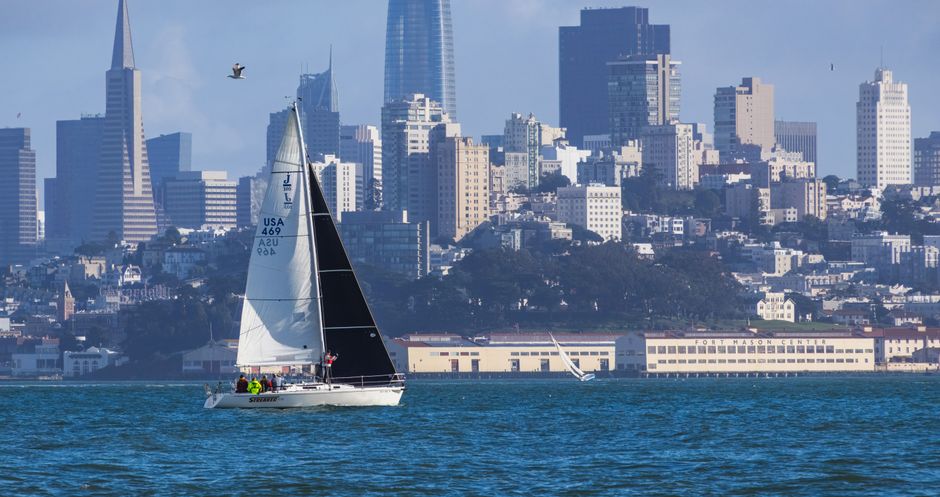
Walk through Golden Gate Park on any Saturday morning and you'll witness San Francisco's thriving amateur sports culture in full swing—soccer pitches packed with league matches, tennis courts booked solid, and baseball diamonds hosting weekend tournaments. Yet beneath this vibrant scene lies a critical infrastructure challenge: the city's recreational facilities are straining under surging demand.
The San Francisco Parks and Recreation Department oversees roughly 20 primary sports complexes citywide, including the Mission District's aptly named Mission Playground and the Potrero Hill Recreation Center. These venues host hundreds of amateur leagues annually, from the Bay Area Recreational Softball League to over a dozen casual soccer organizations. But demand has far outpaced supply. Field-booking wait times at popular locations like the Sunset Playground courts now stretch eight to twelve weeks during peak seasons, according to department data.
"We're seeing unprecedented growth in participation," says the Parks Department's infrastructure coordination unit. Amateur league membership across the city has grown approximately 35 percent since 2020, driven partly by post-pandemic fitness awareness and the city's expanding young professional demographic. Yet facility expansion has lagged considerably.
The economics are stark. Marina Green, one of the city's most sought-after multi-use athletic spaces, generates over $2 million annually in rental revenue but operates near capacity year-round. Private clubs have stepped into the void. Organizations like the San Francisco Lawn Bowling Club on Market Street and the Bay Club facilities in South of Market offer memberships ranging from $150 to $300 monthly—pricing that excludes many casual participants.
Infrastructure gaps vary by neighborhood. The Bayview and Hunters Point districts have fewer dedicated sports facilities relative to population, while the Richmond and Sunset districts benefit from proximity to Golden Gate Park's extensive amenities. Some amateur leagues have adapted by scheduling matches during unconventional hours or relocating to satellite venues in Daly City and neighboring communities—a logistical burden on players and families.
City leadership acknowledges the challenge. A 2025 Parks Master Plan identified $45 million in deferred maintenance across recreational facilities, with funding shortfalls limiting new construction. Meanwhile, proposals to upgrade courts at Moscone Playground and expand the Balboa Park Recreation Center remain in planning phases.
The infrastructure strain hasn't deterred San Francisco's amateur sports culture—if anything, it's intensified competition for access. But as leagues continue growing, the city faces a fundamental question: can it sustain this momentum without meaningful investment in venues and facilities?
This article was compiled by AI from the sources linked above and screened before publishing. See our editorial standards.
How does this story make you feel?
Spread the word
About this article
Published by The Daily San Francisco
Daily brief
Free, in your inbox before 7am. Weekdays.
More in Sport