Swimming participation in San Francisco has jumped 34 percent over the past three years, according to data compiled by the San Francisco Department of Recreation and Parks. That's a staggering shift for a city that once treated its waterfront as scenery rather than playground.
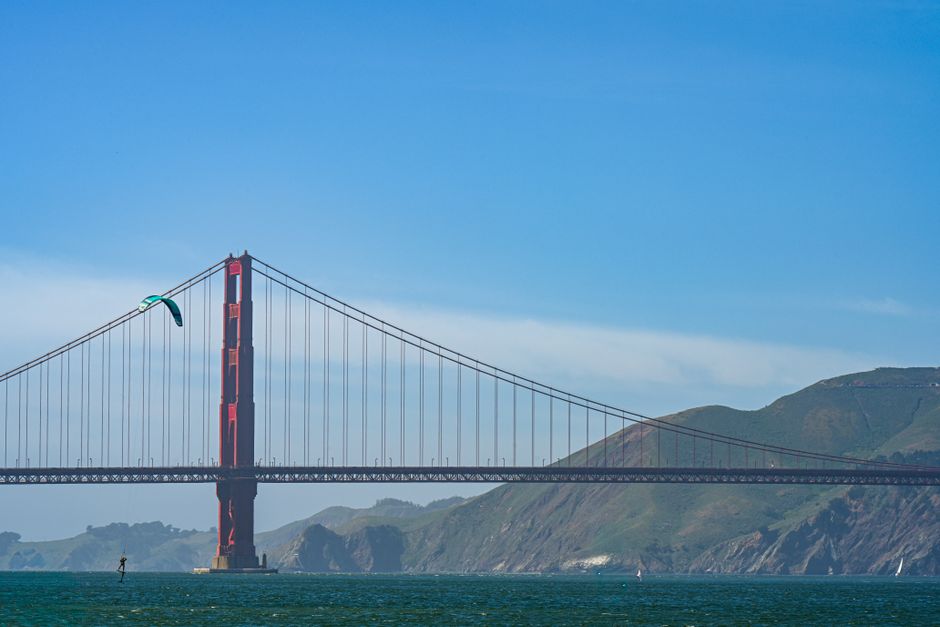
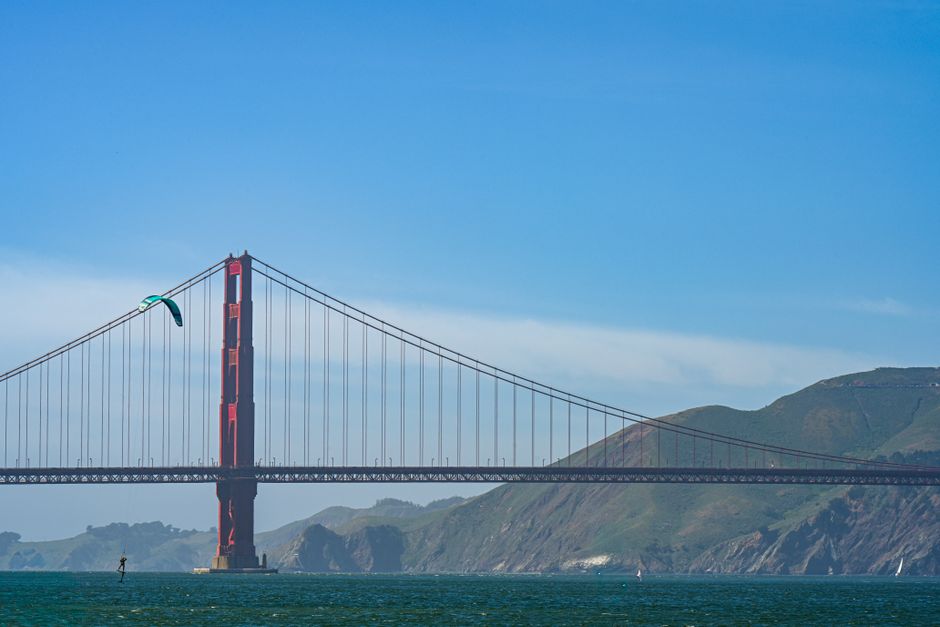
The numbers tell a story. Registration at the city's 11 public pools—from the Sunset District's Rossi Pool to the Mission's Garfield facility—has climbed from roughly 8,200 active participants in 2023 to nearly 11,000 today. Meanwhile, open-water swimming groups have exploded. Crissy Field Beach has become a weekend ritual for hundreds of cold-water enthusiasts, while the South End Rowing Club's waiting list for membership has stretched to eighteen months.
What's driving this? Fitness culture in San Francisco is undergoing a profound realignment. The city's famous tech-worker obsession with boutique cycling studios and high-intensity interval training appears to be softening, replaced by something more measured and accessible. Water sports demand less equipment, less pretension, and less gatekeeping than many trendy alternatives. A lap swimming pass at any city pool costs just $75 per month—competitive with a single ClassPass visit downtown.
Local coaches point to another factor: community. The Bay Area's notoriously isolating tech culture has left many residents hungry for group activities that feel organic rather than algorithmically optimized. Swimming clubs operate on old-fashioned camaraderie. Meet at Aquatic Park at 7 a.m., swim the Golden Gate, debrief at a coffee shop. No app required.
The shift carries demographic weight too. Data shows participation increases have been strongest among adults over forty, a group typically underrepresented in San Francisco's fitness ecosystem. Women now comprise 58 percent of pool memberships across the city—up from 44 percent five years ago. Aquatic fitness, it seems, offers something the spin studios never did: inclusivity without performance anxiety.
There's also the climate factor. As summer temperatures have become more extreme, water-based exercise offers relief that land-based workouts cannot. The Pacific may be cold, but it's predictable. And for those without a Bay view, the pools remain consistent sanctuaries.
San Francisco's water sports surge isn't just about fitness numbers. It reflects a deeper hunger for community, accessibility, and connection to place. In a city famous for disruption, perhaps the most radical trend is the oldest one: people gathering by water, moving their bodies together, asking nothing more than permission to swim.
This article was compiled by AI from the sources linked above and screened before publishing. See our editorial standards.