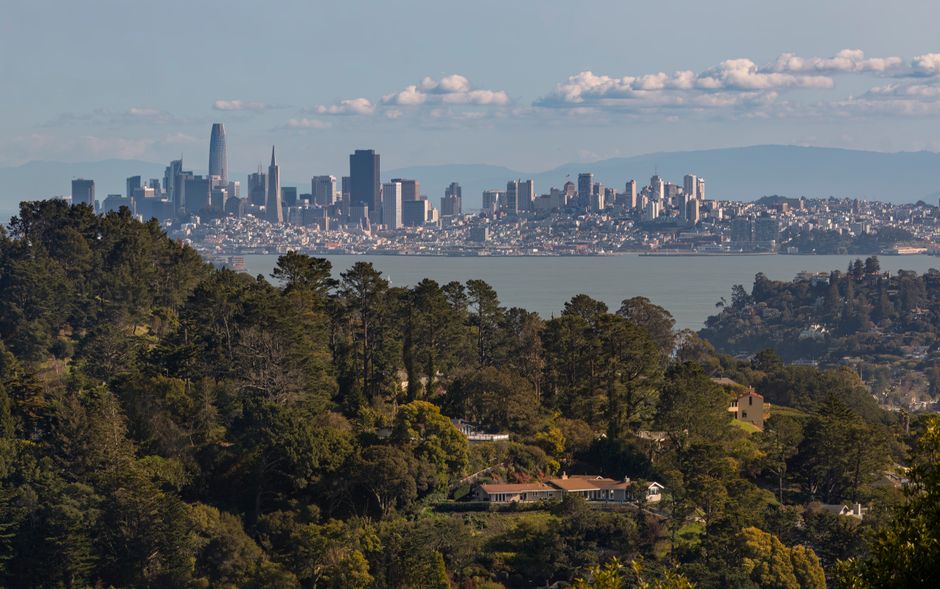
San Francisco's endurance sports ecosystem has undergone a quiet revolution over the past three years, transforming the city into a genuine hub for runners, cyclists, and triathletes seeking world-class facilities and infrastructure. The shift reflects both explosive participation growth and strategic reinvestment in the Bay Area's athletic corridors.
The Bay Club San Francisco on the Embarcadero represents the flagship model—a 90,000-square-foot facility housing indoor cycling studios, Olympic-distance pool lanes, and dedicated triathlon coaching zones. Monthly memberships now hover around $189, reflecting premium demand. But perhaps more significantly, the organization recently expanded its indoor cycling capacity by 40 percent to accommodate the post-pandemic cycling boom that shows no signs of abating.
Beyond indoor facilities, San Francisco's outdoor infrastructure tells the real story. The Embarcadero Trail, stretching 4.5 miles along the waterfront, has become the city's primary running and cycling artery. The Recreation and Parks Department invested $8.2 million in 2024 alone to enhance safety lighting, resurface degraded sections, and expand dedicated cycling lanes. Weekend mornings now see what can only be described as organized chaos—hundreds of athletes navigating carefully marked zones.
The Golden Gate Bridge approaches present another case study. Northern approach cycling lanes now accommodate approximately 3,000 daily cyclists during peak months, a 67 percent increase since 2023. The Parks Conservancy has responded by adding water stations and improved signage at both Vista Points.
For triathletes, the infrastructure picture has improved dramatically. Lake Merced, nestled in the southwest corner of the city, recently underwent a $12 million rehabilitation project completed in early 2026. The facility now features monitored swim zones, transition area improvements, and year-round water quality monitoring that supports both recreational and competitive swimming. The lake has become the training ground for the Bay Area Triathlon Club, which counts over 800 active members.
Marin's trails—just across the Golden Gate—remain essential infrastructure for serious endurance athletes, with the Marin County Parks system reporting over 2.1 million annual recreational visits. Investment in trail maintenance has become increasingly coordinated with San Francisco's own planning initiatives.
The infrastructure boom reflects changing demographics. Local running clubs have grown from approximately 15,000 members across all clubs in 2020 to nearly 42,000 by mid-2026. Cycling commuting has become fashionable, with bike lanes expanding across Valencia Street, the Panhandle, and through the Financial District.
Still, capacity challenges persist. Popular early-morning cycling classes at facilities across SoMa regularly hit waitlists. The city's Parks and Recreation Department is currently evaluating proposals for a second dedicated triathlon training facility in the Presidio, though environmental reviews continue.
This article was compiled by AI from the sources linked above and screened before publishing. See our editorial standards.