San Francisco's Youth Sports Clubs Are Thriving—And Rebuilding Community One Game at a Time
From the Mission to the Sunset, grassroots organizations are expanding access to athletics while creating the social glue that makes neighborhoods stronger.
From the Mission to the Sunset, grassroots organizations are expanding access to athletics while creating the social glue that makes neighborhoods stronger.
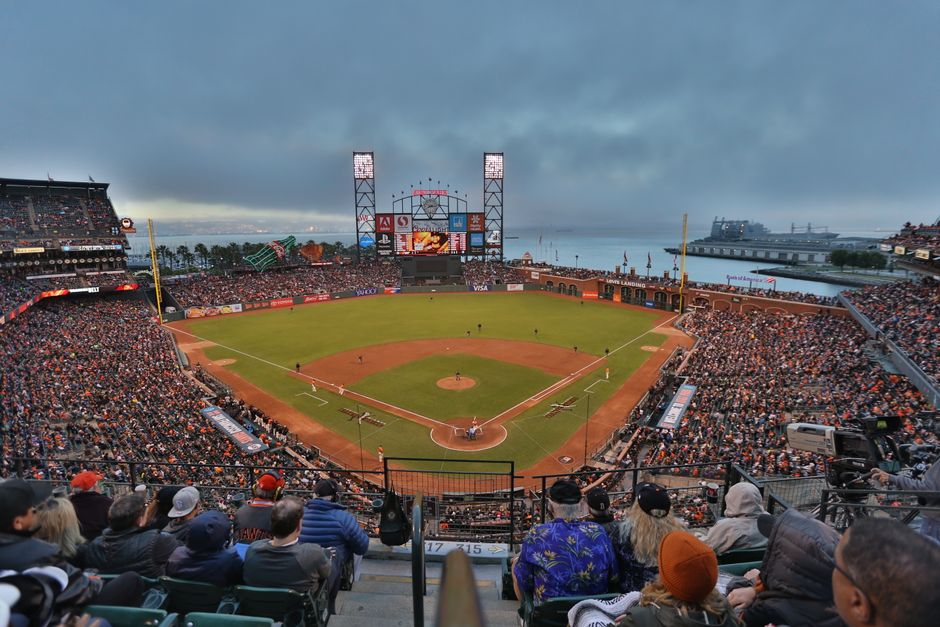
Walk past the courts on Potrero Avenue on a Tuesday evening and you'll see the unmistakable energy of youth sport in San Francisco doing what it does best: bringing people together. The Mission Recreation Center, like dozens of similar facilities across the city, has become a nexus point for local athletic development—and community resilience.
The numbers tell a compelling story. According to the San Francisco Recreation and Parks Department, youth sport participation has grown 18 percent over the past three years, with grassroots clubs now serving approximately 12,500 young athletes annually. That's not by accident. Organizations like the San Francisco Youth Commission and independent neighborhood clubs have doubled down on accessibility, keeping registration fees under $150 per season—a deliberate choice in a city where cost of living drives families away.
In the Sunset District, the Sunset Youth Soccer League operates with volunteer coaches and relies on modest fundraising to maintain its eight neighborhood pitches. The league serves nearly 800 kids aged 5 to 17, many from immigrant families. Similarly, the Bayview-Hunter's Point Little League has expanded from two to five diamonds in five years, operating on donated equipment and corporate sponsorships that keep the program free for families below the median income threshold.
What's remarkable isn't just the scale—it's the intentionality. These clubs understand something essential: youth sport is infrastructure. It's where kids develop resilience, where parents from different backgrounds stand on sidelines together, where neighborhoods have reason to invest in public spaces.
The Richmond District's After-School All-Stars program has partnered with local elementary schools to embed athletic programming directly into school days, eliminating transportation barriers. Meanwhile, clubs in the South of Market area have pioneered satellite programs at community centers, reaching kids who might never make it to a dedicated sports facility.
Funding remains precarious. Most grassroots clubs operate on 40 to 60 percent of their ideal budgets, according to informal surveys by the San Francisco Parks Alliance. Yet innovation thrives in constraint. Youth clubs have created scholarship funds, bartered with local businesses for equipment, and built volunteer networks that rival small nonprofits in sophistication.
The broader impact extends beyond athletics. Research from the city's own youth services division suggests that young people in organized sports programs show 23 percent higher school attendance rates and lower rates of involvement with the criminal justice system.
As San Francisco grapples with questions about community cohesion and neighborhood identity, these clubs offer a quiet answer: belonging happens on playing fields, in dugouts, and on courts where kids learn not just to compete, but to belong.
This article was compiled by AI from the sources linked above and screened before publishing. See our editorial standards.
How does this story make you feel?
Spread the word
About this article
Published by The Daily San Francisco
Daily brief
Free, in your inbox before 7am. Weekdays.
More in Sport