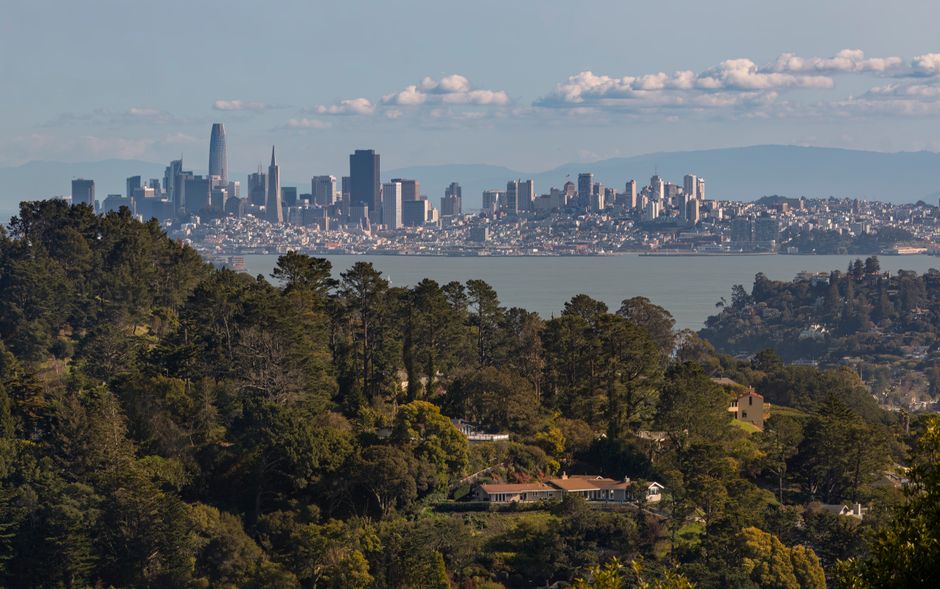
On any given morning along the Embarcadero, you'll spot them: swimmers in neon caps bobbing between the Ferry Building and Pier 14, part of a thriving open-water community that has transformed San Francisco's relationship with its waterfront. The city's water sports scene, long dominated by elite yacht clubs and exclusive facilities, is experiencing a genuine democratization, driven by grassroots clubs that prioritize accessibility and belonging over gatekeeping.
The Bay Area open-water swimming movement has exploded over the past three years. Organizations like the locally-based Dolphin Club, which has operated since 1877, now shares the water with newer collectives offering affordable drop-in sessions at $15-20 per swim. These groups have made cold-water swimming—once a niche pursuit—into a social movement. Members cite not just physical fitness but genuine friendship networks forged through shared early mornings and post-swim coffee runs.
Rowing tells a similar story. Community programs operating from boathouses near the Bay Bridge have expanded youth outreach dramatically. The San Francisco Rowing Club and emerging nonprofits now offer scholarships to teenagers from underserved neighborhoods in the Tenderloin and Bayview, introducing rowing to communities historically excluded from water access. Summer camps cost $200-400, with financial aid available—a stark contrast to private programs running $2,000 or more.
Kayaking and stand-up paddleboarding clubs centered around Crissy Field have grown membership 45% since 2024, according to informal surveys. What's driving this? Organizers point to intentional community-building: group paddles with social components, mentorship between experienced and novice paddlers, and deliberate efforts to recruit participants from neighborhoods with limited recreation funding.
The impact extends beyond fitness metrics. Multiple clubs report that water sports have become anchors for neighborhood cohesion—particularly in areas like the Mission and Sunset districts where indoor recreation spaces remain limited. One emerging trend: clubs organizing "intro to water sports" evenings where families can try multiple activities, removing intimidation barriers for newcomers.
City officials have noticed. The San Francisco Recreation and Parks Department recently allocated $850,000 toward expanding aquatic access programs through 2027, signaling institutional recognition of this grassroots momentum.
The challenge ahead: sustaining growth while maintaining the community-first ethos that sparked it. Yet if current trajectories hold, San Francisco's water sports renaissance will continue proving that some of our best community connections aren't built on land—they're built right here in the Bay.
This article was compiled by AI from the sources linked above and screened before publishing. See our editorial standards.