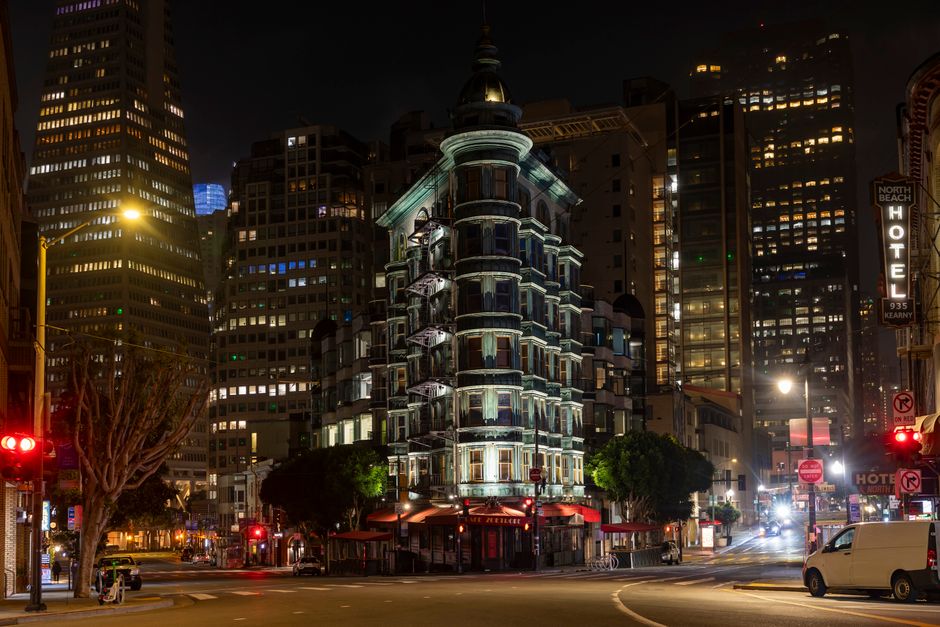
San Francisco's Theatre Scene: A Century of Cultural Evolution
From vaudeville to experimental stages, the Bay Area transformed into America's most innovative performing arts hub.
From vaudeville to experimental stages, the Bay Area transformed into America's most innovative performing arts hub.
Listen to this article · 4:03
San Francisco's relationship with live performance runs deeper than most American cities. Walk down Market Street today, and you're treading ground where nickelodeons once flickered with silent films in the 1910s. That entrepreneurial spirit—the willingness to take risks on art that hadn't been tested—shaped everything that followed.
The city's theatre legacy crystallized around the Beaux-Arts masterpiece that is the Curran Theatre, which opened in 1922 on Geary Boulevard as a temple to dramatic ambition. For decades, it anchored San Francisco's Theatre District, attracting Broadway productions and establishing the neighborhood as the cultural heart of the Bay. Today, venues like the American Conservatory Theater (A.C.T.) carry forward that legacy, occupying the historic Geary and presenting over 300 performances annually to audiences that have grown increasingly diverse and demanding.
But San Francisco's real innovation has always lived in its margins. The Fillmore Auditorium's transformation from a Japanese community center in the 1960s into the epicenter of psychedelic rock performance represents a distinctly local phenomenon—art emerging organically from neighborhood identity. That model persists. Mission District galleries host experimental theatre productions in converted warehouses. The Marsh, a theater venue in the SOMA district since 1989, pioneered affordable space for solo performers and emerging artists, charging audiences just $15-25 for shows that established San Francisco's reputation for risk-taking performance art.
The numbers tell a story of resilience through change. Pre-pandemic, the Bay Area's performing arts sector generated over $1.2 billion annually in economic impact. Film festivals multiplied: the San Francisco International Film Festival (founded 1957) remains North America's longest-running; newer festivals explore documentary, LGBTQ+ cinema, and experimental video art. During the pandemic shutdown of 2020-2021, the scene adapted with stunning speed—outdoor performances in Dolores Park, streamed shows from the Curran, and pop-up installations across neighborhoods proved the community's appetite for live expression remained undiminished.
Today, that evolution continues. The city hosts over 50 theatre companies ranging from the tony to the experimental, with ticket prices ranging from free community performances to $100+ for major productions. Young companies operate from Tenderloin storefronts. Established institutions like SFMOMA regularly host performance art. The throughline remains constant: San Francisco treats its performance spaces as laboratories, not museums.
That ethos—experimentation, accessibility, risk—built a scene that has survived technology shifts, economic cycles, and global crises. It's the city's truest export: not venture capital or coffee culture, but the radical belief that live performance matters.
This article was compiled by AI and screened before publishing. See our editorial standards.
How does this story make you feel?
Spread the word
About this article
Published by The Daily San Francisco
Daily brief
Free, in your inbox before 7am. Weekdays.
More in culture