San Francisco's Dogpatch sees double-digit investor returns
Mission Bay corridor properties deliver 12%+ yields, signaling shift in Bay Area investment patterns and affordability trends.
Mission Bay corridor properties deliver 12%+ yields, signaling shift in Bay Area investment patterns and affordability trends.
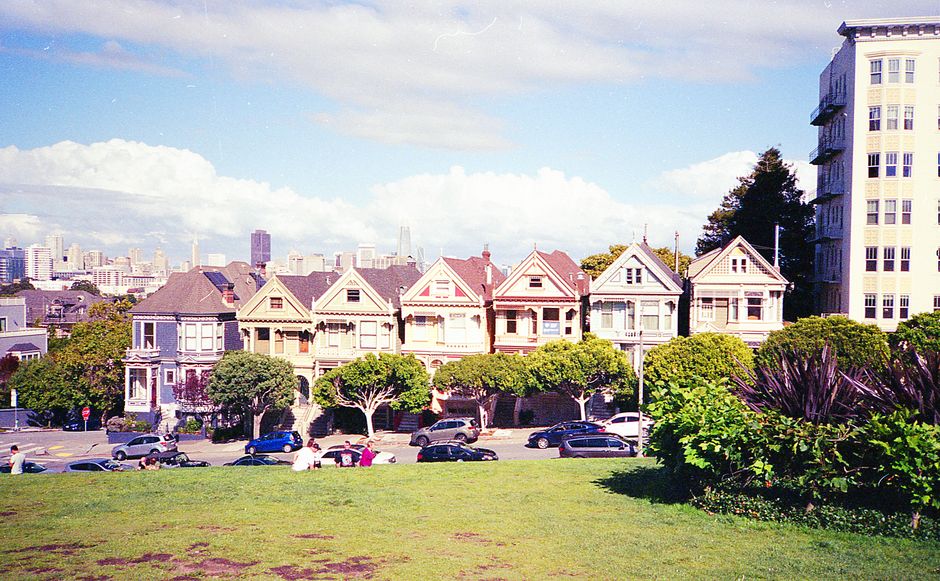
While Pacific Heights commands attention and Marina remains a status symbol, the real yield story in San Francisco is playing out south of Market Street. Dogpatch—once dismissed as industrial fringe—is delivering returns that have caught the attention of portfolio investors tracking the city's shifting wealth patterns.
Recent transaction data tells the story. A two-bedroom converted loft on 22nd Street sold for $1.58 million in March, with comparable rentals now fetching $4,200 monthly. That's a gross yield of roughly 3.2 percent, substantially higher than Pacific Heights equivalents trading at 2.1 percent on comparable pricing. The numbers reflect something fundamental: Dogpatch offers both appreciation potential and immediate income generation that traditional prestige addresses struggle to match.
The neighborhood's appeal runs deeper than spreadsheets. The arrival of Chase Center transformed the waterfront, but Dogpatch's draw extends inland. Third Street's restaurant corridor—anchored by spots like Serpentine and The Tempest—has become a genuine destination rather than a transient food trend. Meanwhile, the Dogpatch Commons community space and proximity to both the Mission and Potrero Hill create the kind of walkable density that sustains long-term property value.
Market fundamentals support the yield narrative. San Francisco's median asking price sits at $1.3 million, yet Dogpatch inventory in the $1.2 to $1.6 million band moves within 28 days on average—faster than city-wide averages. That velocity suggests genuine demand rather than speculative chasing.
The tech sector's gradual return to physical offices hasn't escaped landlords, either. Mission Bay corporate housing demand—driven by workers at nearby cloud companies and biotech operations—creates consistent tenant flow. For investors managing portfolios across multiple Bay Area addresses, Dogpatch offers something San Francisco's premium neighborhoods have increasingly priced away: reasonable acquisition cost paired with measurable monthly returns.
There are headwinds worth noting. Vacancy rates in the broader South of Market corridor remain elevated compared to pre-pandemic baselines. New supply along the waterfront—including several mid-rise residential projects—will test pricing assumptions. And unlike established neighborhoods, Dogpatch lacks the intergenerational wealth stability that anchors Pacific Heights valuations.
Yet for investors focused on yield rather than prestige, the neighborhood's trajectory matters more than its pedigree. The numbers show a market where capital deployed today generates both immediate income and appreciation potential—a combination increasingly rare in San Francisco's bifurcated property landscape.
This article was compiled by AI and screened before publishing. See our editorial standards.
How does this story make you feel?
Spread the word
About this article
Published by The Daily San Francisco
Daily brief
Free, in your inbox before 7am. Weekdays.
More in Property


