San Francisco Immigrant Groups Brace for Policy Changes
Bay Area advocates strategize on legal aid and housing as federal immigration policy shifts and local resources face mounting pressure.
Bay Area advocates strategize on legal aid and housing as federal immigration policy shifts and local resources face mounting pressure.
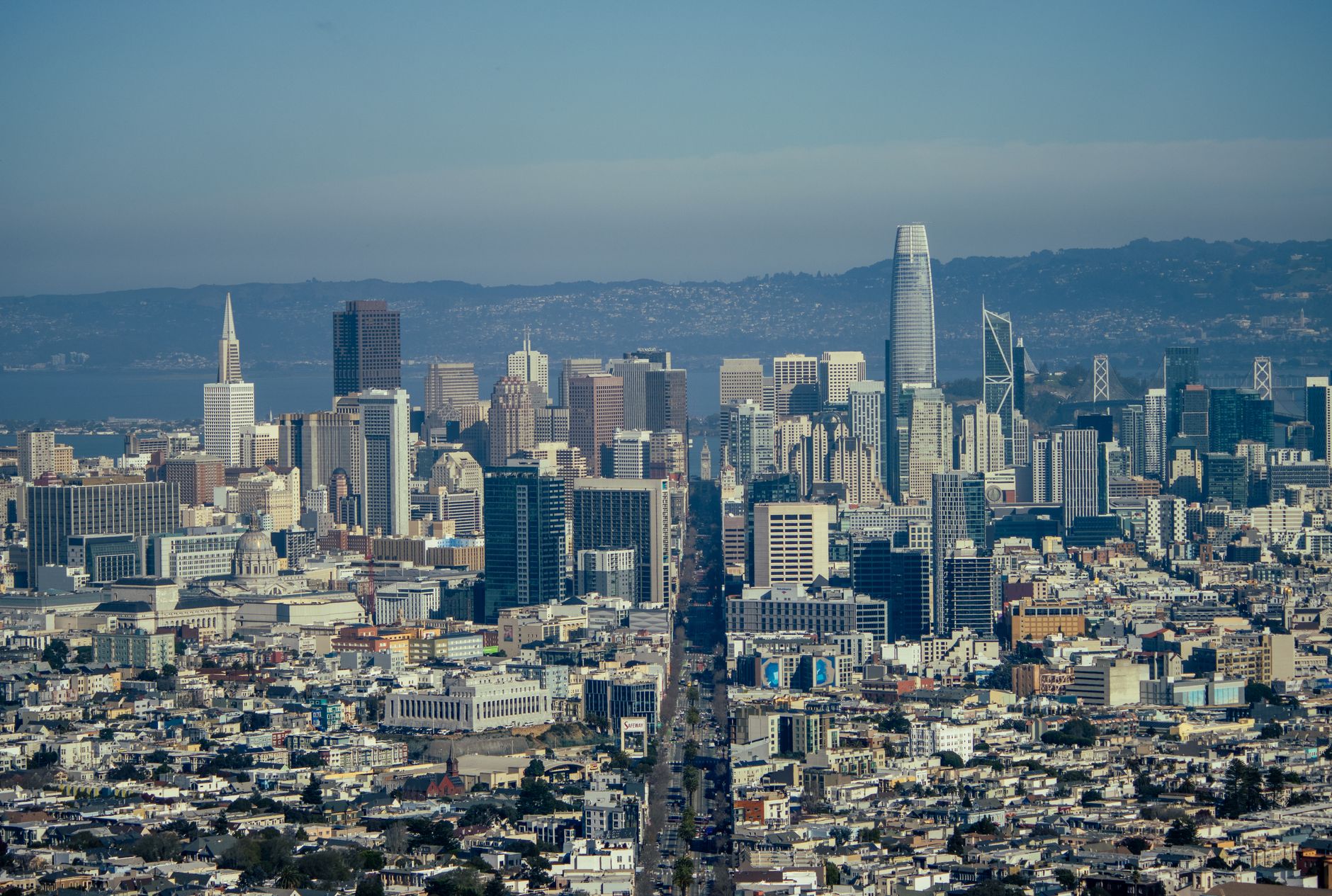
On a Tuesday evening in the Mission District, a standing-room-only crowd gathered at La Cocina's newly expanded commercial kitchen on Harrison Street to discuss an urgent question: what comes next? The workshop, organized by the San Francisco Immigrant Rights Commission and several nonprofits, reflected the anxiety rippling through the city's multicultural neighborhoods as immigration policy remains volatile and local institutions brace for impact.
San Francisco's immigrant population—roughly 36% of the city's 815,000 residents—now faces a crucial inflection point. The city has positioned itself as a sanctuary jurisdiction, yet federal directives continue to challenge that stance. Meanwhile, affordable housing costs that already force families to spend upward of 50% of income on rent have become an immigration question unto themselves. Can immigrants stay if they cannot afford to live here?
Three key decisions loom. First, how should the city allocate its already-stretched legal defense resources? The Public Defender's Office and organizations like the Immigrant Defenders Law Center must determine whether to focus on individual cases or policy-level challenges. With San Francisco's median rent now exceeding $3,200 for a one-bedroom apartment, many undocumented residents cannot afford private counsel.
Second, the city must decide its relationship with federal immigration enforcement. Will San Francisco maintain its current protocols limiting police cooperation with Immigration and Customs Enforcement, or will resource constraints force compromise? The SFPD's Mission Station and Tenderloin Station neighborhoods contain some of the city's highest immigrant concentrations—and highest deportation risks.
Third comes integration and economic mobility. Community organizations along Mission Street and in the Outer Sunset—neighborhoods with dense immigrant populations—are asking: does San Francisco invest in language access, job training, and licensing pathways, or does the city accept demographic churn as inevitable? The economic argument is stark: immigrants contribute an estimated $3.5 billion annually to the Bay Area economy, yet barriers to credential recognition keep many underemployed.
The Board of Supervisors will likely face budget pressures this autumn that force explicit choices between immigrant services and other priorities. The city's Office of Civic Engagement and Immigrant Affairs has become a critical hub, but it operates with limited authority to reshape systemic barriers.
Community leaders emphasize that waiting is not sustainable. As South Africa's recent anti-immigration violence demonstrates globally, tension rises when integration infrastructure lags. San Francisco has advantages—established civil society organizations, legal precedent, political will—but only if it acts decisively. The next six months will determine whether the city leads on immigration policy or simply reacts to circumstances beyond its control.
This article was compiled by AI and screened before publishing. See our editorial standards.
How does this story make you feel?
Spread the word
About this article
Published by The Daily San Francisco
Daily brief
Free, in your inbox before 7am. Weekdays.
More in News