San Francisco Approves Mission Plaza Redesign as Sunset Blocks Housing
Two Bay Area neighborhoods clash over growth as Mission gets zoning approval while Sunset residents fight new development plans.
Two Bay Area neighborhoods clash over growth as Mission gets zoning approval while Sunset residents fight new development plans.
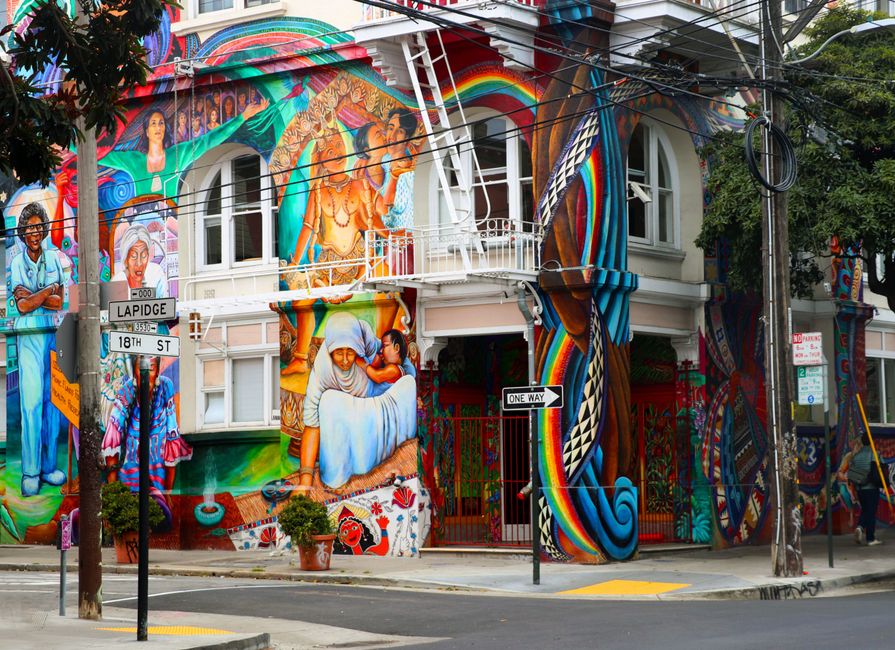
The Mission District's long-awaited transformation of the Valencia Street corridor took a decisive turn Wednesday when the Planning Commission unanimously approved a $47 million plaza redesign that will convert a currently underutilized parking area near 24th Street into a mixed-use community hub. The project, backed by the nonprofit Mission Local Development Corporation, promises enhanced public seating, cultural programming space, and underground bike parking—though community members remain divided over whether the changes will accelerate gentrification in a neighborhood already grappling with median rents exceeding $3,200 for a one-bedroom apartment.
"This is about reclaiming public space for everyone," said a spokesperson for the planning initiative, pointing to design features that include 40% of ground-level space reserved for locally-owned businesses. However, longtime residents at Thursday's packed community meeting raised concerns about rising commercial rates and the displacement of informal vendors who currently operate in the area.
Meanwhile, tensions escalated in the Sunset District as approximately 300 residents gathered at the West Portal Community Center on Tuesday to oppose a proposed six-story residential building at 1250 Noriega Street. The project would add 85 units of housing, with 30% designated as below-market-rate apartments, but neighbors argued the structure violates the neighborhood's character and would strain already-limited street parking on one of the city's steepest blocks. The Board of Supervisors will vote on the proposal in August.
In more uplifting news, the Bayview neighborhood celebrated the soft opening of the restored Hunters Point Shipyard Community Garden on Saturday, a 2.5-acre space that was cleared and replanted by volunteers over the past eighteen months. The garden now features native plantings, accessible pathways, and educational spaces for local school groups—addressing a significant green space deficit in a neighborhood with just 2.4 acres of public park per 1,000 residents, compared to the citywide average of 4.1 acres.
Meanwhile, the Richmond District's historic Clement Street corridor saw business owners express cautious optimism following the completion of new sidewalk improvements, which wrapped up ahead of schedule this week. The $8.2 million project, funded through a combination of city bonds and state grants, features widened pedestrian zones and enhanced accessibility—though some retailers reported a 15-20% temporary decline in foot traffic during construction.
All three developments reflect San Francisco's ongoing challenge of balancing neighborhood character with the practical demands of housing, commerce, and community space in a city where every block tells a different story about who belongs.
This article was compiled by AI and screened before publishing. See our editorial standards.
How does this story make you feel?
Spread the word
About this article
Published by The Daily San Francisco
Daily brief
Free, in your inbox before 7am. Weekdays.
More in News