San Francisco’s House vs Unit Price Gap Widens: What Buyers Need to Know
With detached home prices breaking new records, condos and units lag—reshaping options for buyers and sellers across the city.
With detached home prices breaking new records, condos and units lag—reshaping options for buyers and sellers across the city.
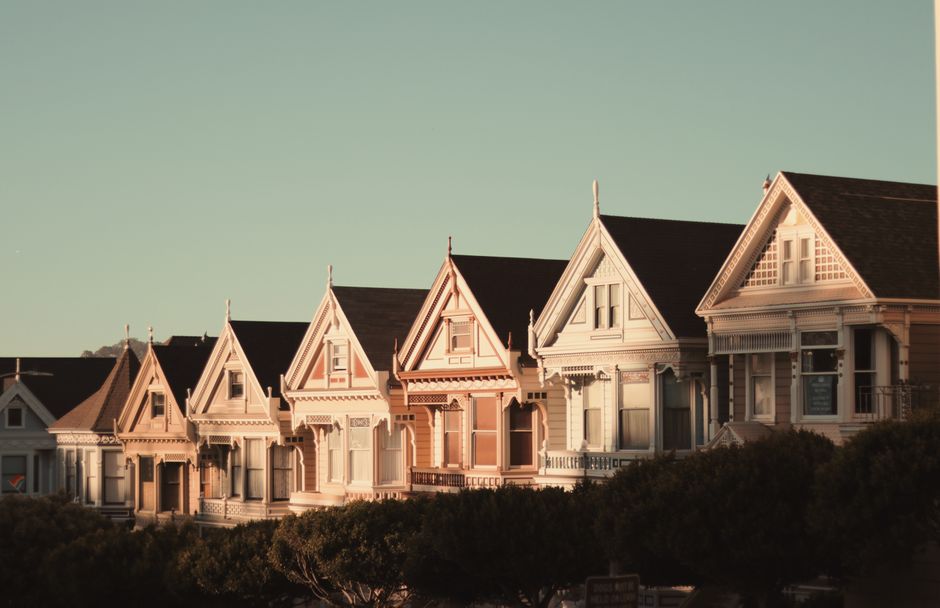
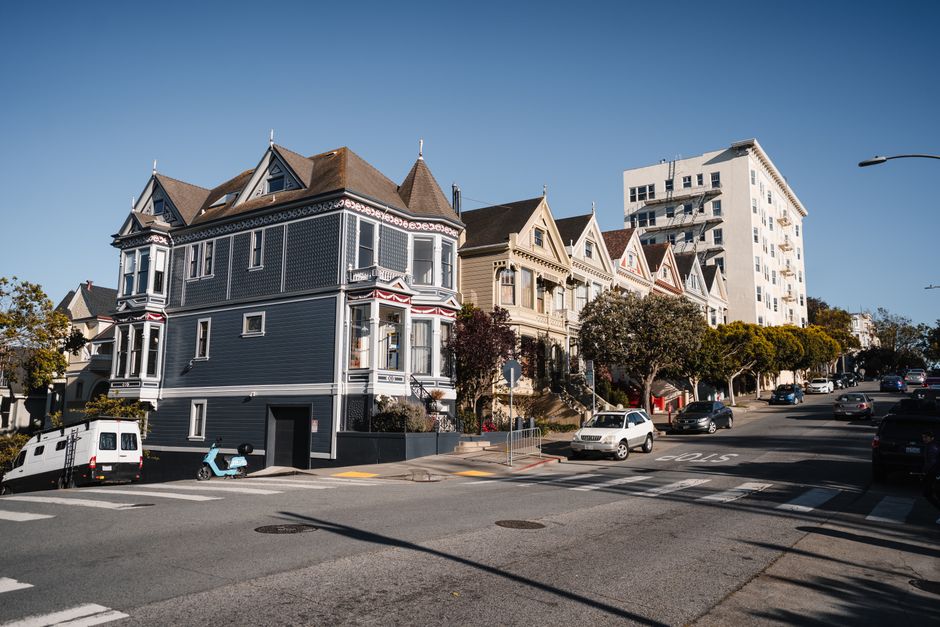
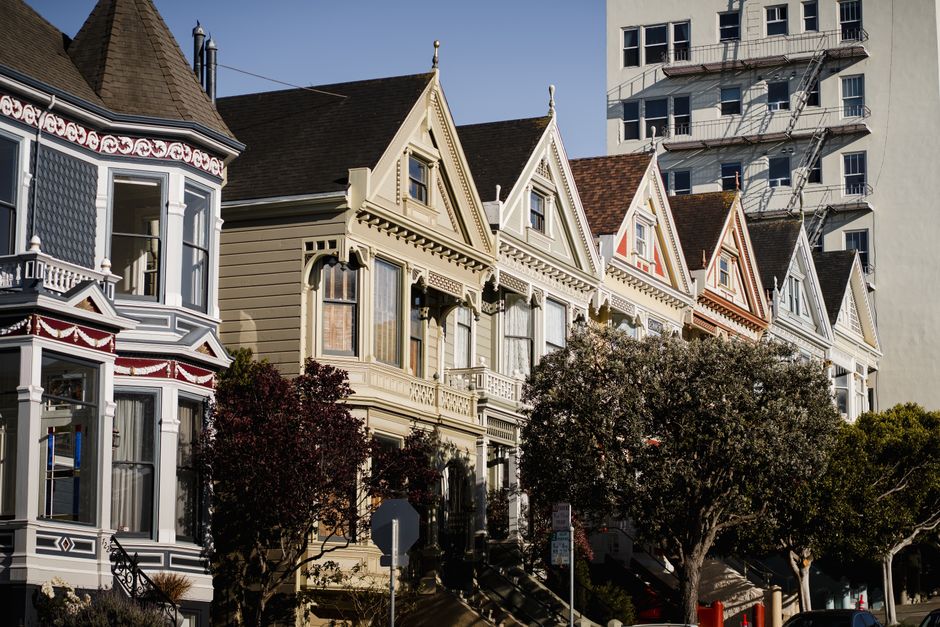
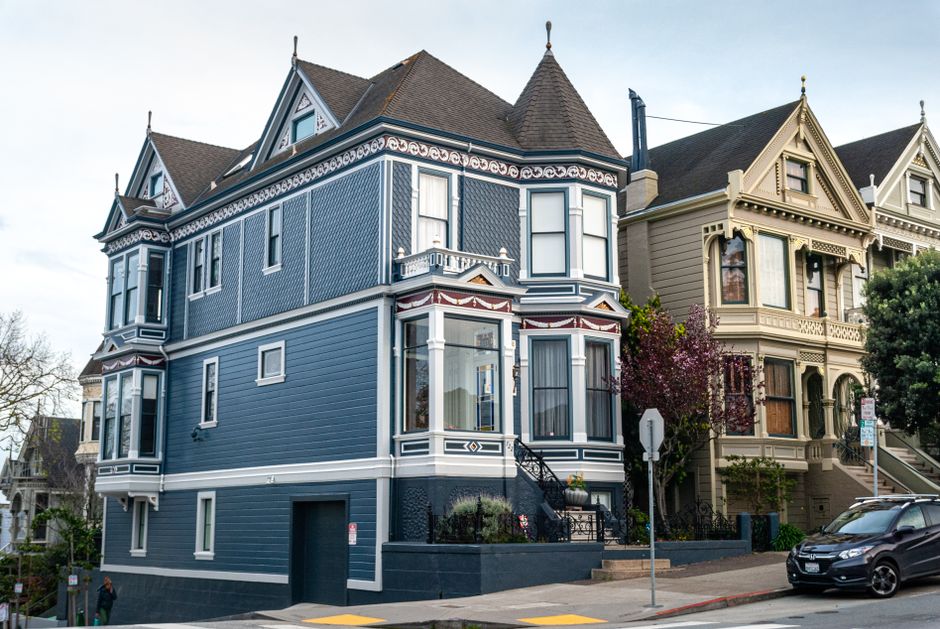
Detached houses and multi-unit condos in San Francisco have officially parted ways—at least when it comes to price. The latest figures from the San Francisco Association of Realtors show detached houses soaring to a median of $1.84 million in June, up 6% year-over-year. Meanwhile, condo prices in core neighborhoods, including SoMa and Dogpatch, have barely moved, posting a median of $1.15 million, virtually unchanged since early 2025.
This growing divergence lands just as the city’s tech job market hums to life again and buyers compete for space in sought-after school zones. A tight supply of single-family homes in places like Noe Valley and Pacific Heights is pushing buyers to the margins, while high-rise units in the central and eastern districts sit longer on the market, battered by stricter lending standards and higher HOA fees. For buyers who sat out the market slump of 2022 and 2023, today’s contrast marks a pivotal shift: houses have become even more of a luxury, while units hold steady, if not stagnant.
On the ground, the difference is vivid. Last weekend, three-floor houses along 21st Street in Dolores Heights drew 14 open-house visitors apiece—even with asking prices north of $2.8 million. Just a mile away, several one-bedroom condos at The Palms, a 300-unit complex on 4th Street in SoMa, have lingered without offers, despite price cuts and incentives from developers. Jonathan McNeill, broker with Vanguard Properties, pointed out that family-sized homes in the $2–$3 million bracket are getting "offers overnight," while new condos struggle to clear at 2021 prices.
According to the local MLS, just 157 detached homes were listed in June—down 18% from a year ago—while active condo inventory climbed to 638 units citywide. Sale-to-list ratios confirm the divide: houses across the Richmond and Sunset District are going for 104% of list, buoyed by “all-cash” offers and tech stock windfalls. Meanwhile, condos average a 97% sale-to-list ratio. New block developments in Dogpatch and Mission Bay—like the Arden on Channel Street—reported an average market time of 47 days, compared to just 21 days for single-family listings in Outer Richmond.
For buyers and sellers, the lesson is clear: families are paying historic premiums to avoid shared walls and building restrictions, while investors and first-time buyers eye newly discounted condos in the city’s denser corridors. Sellers on streets such as Jackson Street in Pacific Heights are fetching record offers, while warehouse-style lofts near Oracle Park linger, even as the Giants draw summer crowds.
What comes next? Local agents forecast more of the same for the rest of 2026, particularly if rates nudge downward after this fall’s Federal Reserve meeting. Prospective buyers who can’t stomach $2 million for a standalone house may find opportunity—and bargaining power—in the city’s ultramodern towers from South Beach to Hayes Valley. Veteran realtors advise checking HOA reserves and rental restrictions carefully, but confirm: the window for scoring a below-peak condo is still open. As the city’s tech offices beckon workers back, the question isn’t just house or unit—but whether waiting risks missing the last pocket of value in San Francisco real estate.
How does this story make you feel?
Spread the word
About this article
Published by The Daily San Francisco
Daily brief
Free, in your inbox before 7am. Weekdays.
More in Property