Bay Area Renters Face Tougher Market Than San Francisco Buyers, New Data Shows
Rents in regional hubs surge past city levels, reshaping affordability debates for would-be homeowners and tenants.
Rents in regional hubs surge past city levels, reshaping affordability debates for would-be homeowners and tenants.
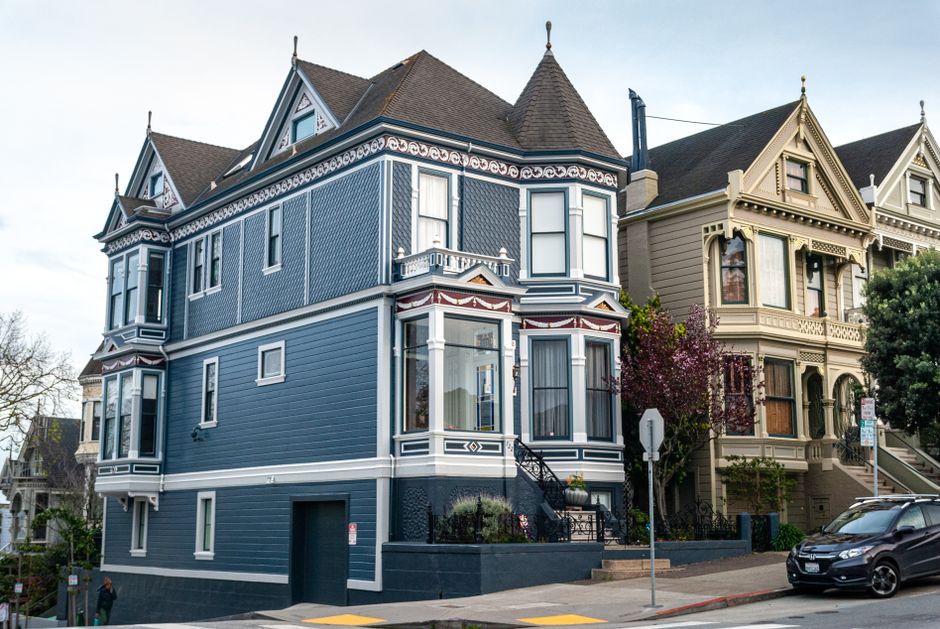
San Francisco’s eye-watering home prices have long grabbed national headlines, but fresh data out this week suggests renters in regional Bay Area markets may be facing even stiffer affordability challenges than buyers in the city itself.
The revelation comes as the Fourth of July’s record-shattering mercury forced most city celebrations indoors, driving home the broader crisis: not just heat, but the rising cost of keeping a roof overhead. Bay Area residents outside San Francisco proper—particularly in East Bay and Peninsula cities—are now routinely paying higher rents compared to what city buyers spend on monthly mortgage payments for an entry-level condo, according to June analysis by PropertyRadar and local brokerage RedfinSF.
Take downtown Walnut Creek, just 23 miles east of Market Street, where the average two-bedroom apartment now commands $4,050 a month, according to RentCafe’s June 2026 report. That is roughly $600 more than a monthly mortgage (plus HOA dues) for a typical Mission District one-bedroom condo—currently listed at $1.04 million, with 20% down and a 6.2% fixed rate, buyers face an estimated $3,440 outlay before taxes. In Palo Alto and San Mateo, competing for rentals often means bidding against tech commuters willing to pay $4,500 or more—threatening to price out even dual-income professional households moving from SoMa or Lower Pac Heights.
Prop C vouchers, meant to close San Francisco’s affordability gap, offer only partial relief. "We’re seeing more city tenants renew because the cost of moving to the ‘burbs doesn’t pencil out," says a broker at Zephyr Real Estate’s Valencia Street office, adding their team closed 18% fewer outbound rental deals this spring compared to 2025. The city’s own affordable housing lottery, managed by the Mayor’s Office of Housing on South Van Ness, saw applications jump by 34% in the first half of this year—mostly from renters in Bayview and Dogpatch seeking relief as rents soar just across county lines.
Stats from the U.S. Census Bureau’s Q1 2026 Housing Survey underscore the reversal: 38% of Alameda and Contra Costa county renters are now “rent burdened,” meaning housing costs exceed 30% of pre-tax income, versus 29% of San Francisco renters—a first since records began in 1986. Median rents across the city ticked up only mildly, rising 2.6% year-on-year, but Walnut Creek and San Ramon saw 7-9% hikes. Meanwhile, city buyers continue to be insulated by a stabilizing condo market. The average resale closing price for Pacific Heights condos has hovered near $1.7 million since last summer, while rents for comparable units on Fillmore Street dropped by $250/month in May, reflecting a slight cooling at the high end.
San Francisco’s decades-old “just cause” eviction laws and rent control on older apartment stock are providing a vital buffer, especially in outer Sunset and Richmond, where some two-bedroom apartments still lease for under $3,000. By contrast, in regional hubs like Fremont—where protections are thinner—tenants report 15-18% rent hikes at lease renewal.
With mortgage rates steady but rent pressure mounting outside the city, analysts suggest renters review lease protections carefully, especially before relocating to regional centers with fewer tenant rights. First-time city buyers, on the other hand, may find entry-level condos in the Tenderloin, Mission, or Lower Nob Hill now compare favorably—with monthly outflows lower than many Peninsula rentals, even after factoring in taxes, insurance, and fees. City Hall’s next affordable lotteries, including the 950 Market Street complex (applications open July 22), offer one rarely seen deal for those willing to brave the process.
For Bay Area residents facing the biggest squeeze, the advice this summer is clear: don’t assume city housing costs are the outlier any longer—sometimes, the regional rent hike is the tougher pill to swallow.
How does this story make you feel?
Spread the word
About this article
Published by The Daily San Francisco
Daily brief
Free, in your inbox before 7am. Weekdays.
More in Property