Build-to-Rent Developments Promise New Options for San Francisco Renters—But at a Price
Purpose-built rental communities are reshaping the city’s housing offer, giving tenants amenities and flexibility once reserved for buyers.
Purpose-built rental communities are reshaping the city’s housing offer, giving tenants amenities and flexibility once reserved for buyers.
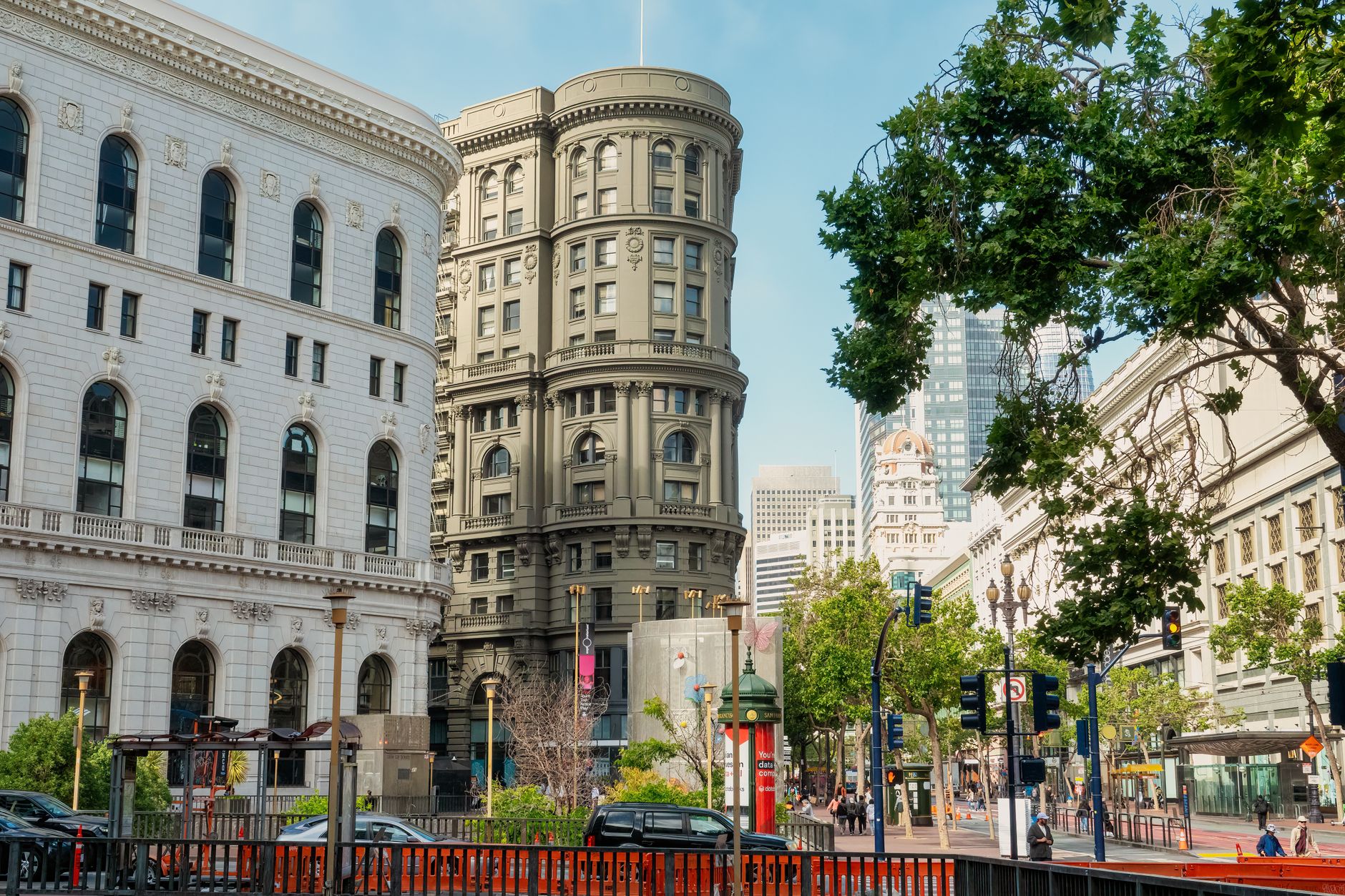
A clutch of new build-to-rent (BTR) properties—designed and owned specifically for renters—has sprung up from SoMa to Mission Bay, as developers chase surging demand from San Franciscans priced out of homeownership and wary of cramped legacy rentals.
This trend matters now because, despite a cooling in tech stocks and a spotty recovery, San Francisco’s median home price stubbornly hovers near $1.3 million. Entry-level buyers face steep down payments, six-figure incomes, and years-long waiting lines for affordable housing lotteries. Savvy developers and institutional landlords see renters—especially younger urban professionals—as the growth market, and have begun to overhaul the city’s traditional rental stock with purpose-built, amenity-laden options.
City planners highlight Parkmerced, the sprawling community west of Lake Merced, as San Francisco’s largest single BTR complex. Owned by Maximus Partners, the latest phase brings glassy midrise towers with resident lounges, coworking nooks, Peloton-ready gyms, and on-site dog parks. Monthly rents for a one-bedroom hover around $3,250—roughly in line with the city’s current median rental price, but cheaper than mortgage payments on even the smallest Pacific Heights condos, where starter units routinely top $950,000.
Meanwhile in SoMa, developer Related California unveiled Willow Crossing on Folsom Street last month, marketing the 220-unit tower as “life by design.” On-site package handling, 24-hour maintenance, and communal rooftop gardens are standard. Leasing director Colleen Yates confirmed the target market: “We’re attracting tech employees, medical center staff, new arrivals who want turnkey living and don’t want to deal with older, rent-controlled stock.”
Mission Bay, Dogpatch, and parts of the Excelsior are also getting attention, as more land becomes available for high-density, managed-rental projects. The city greenlit 1,000 new BTR units citywide in the past 18 months, much of it along transit corridors like Third Street and near the Caltrain terminal.
The financial math explains the trend’s momentum. According to Paragon Real Estate’s May 2026 survey, the median monthly rent for a newly-built one-bedroom in San Francisco sits at $3,265. The mortgage, taxes, and HOA fees on a median-priced condo jumps to just over $6,600 per month with 20% down—double what renters are paying, even before factoring in closing costs or inflation risk.
Data from the Urban Economics Institute show the number of BTR units in San Francisco grew by 41% between 2022 and today—a pace outstripping the overall apartment market, which grew only 12%. Vacancy is low: Parkmerced reports turnover rates under 7% per year, well below older building averages in the same ZIP. Some BTR communities tout flexible lease terms or tenant clubs—marketing to professionals who want more from renting than just a roof over their head.
But there are tradeoffs. These developments rarely come with the security of rent control, and some, like Hayes Point on Gough Street, include steep move-in fees and amenity surcharges. Long-term wealth-building is off the table, and existing tenants in classic six-flats warn that luxury BTR amenities—pools, yoga studios—can mask steeper rents over time.
Housing analysts predict the city will see at least five more major BTR launches this year, especially as Prop H incentives streamline multi-unit construction near major Muni lines. For all their convenience, renters should scrutinize lease terms: last year’s Board of Supervisors report warned of annual rent hikes at several managed-rental towers, sometimes as high as 9%.
The bottom line for tenants: BTR developments can offer flexibility, modern amenities, and stability without the stress of homebuying. But as with any lease, the fine print—on pricing, renewals, and add-on fees—counts. Those not ready or able to buy may find these new options an upgrade from San Francisco’s older rental stock, at least as long as developers keep the competition—and amenities—robust.
How does this story make you feel?
Spread the word
About this article
Published by The Daily San Francisco
Daily brief
Free, in your inbox before 7am. Weekdays.
More in Property