San Francisco’s Market Split Widens: How House and Condo Prices Are Pulling Apart
Detached homes continue their steep rise while condo prices plateau, reshaping the city’s real estate playbook.
Detached homes continue their steep rise while condo prices plateau, reshaping the city’s real estate playbook.
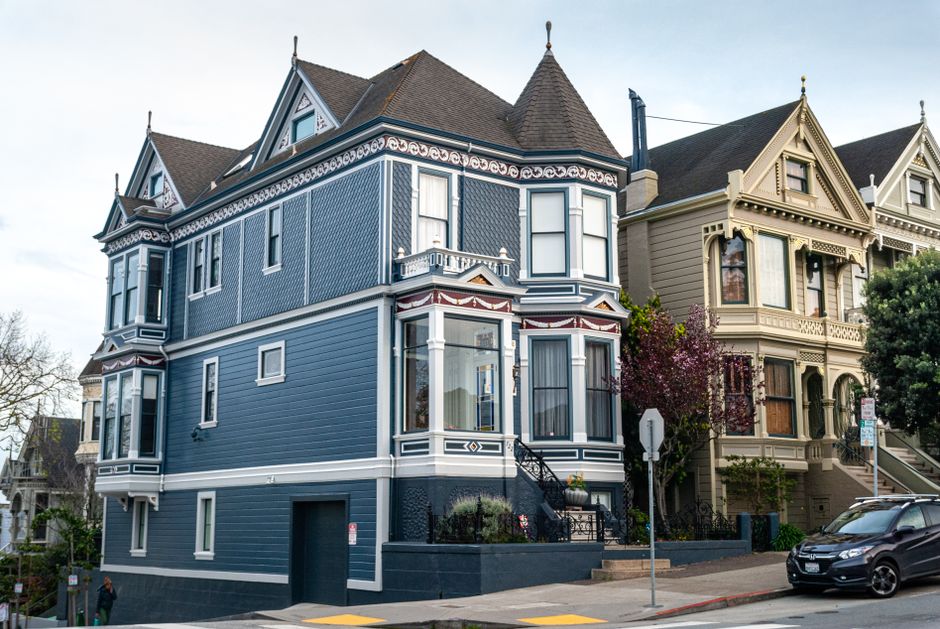
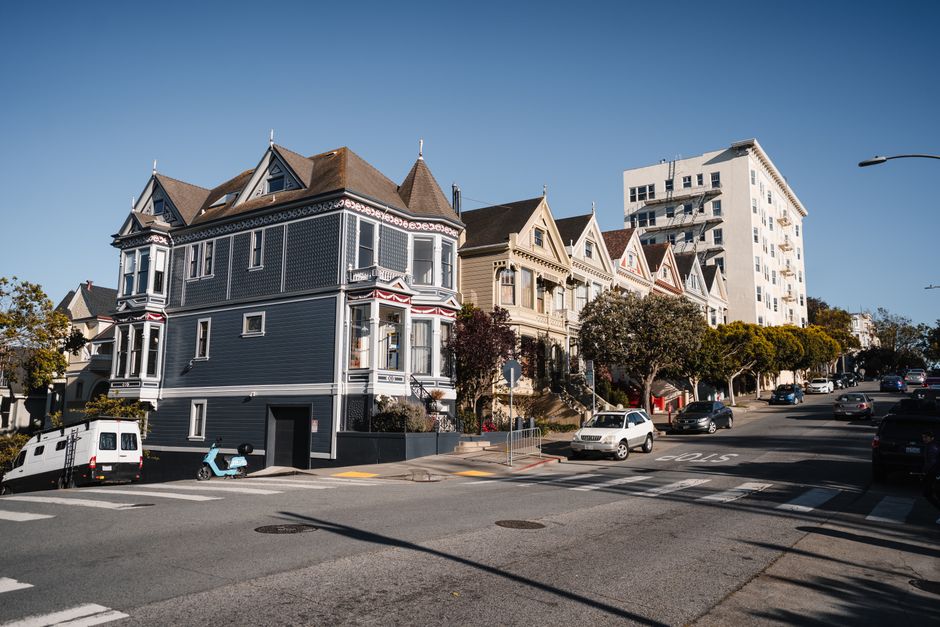
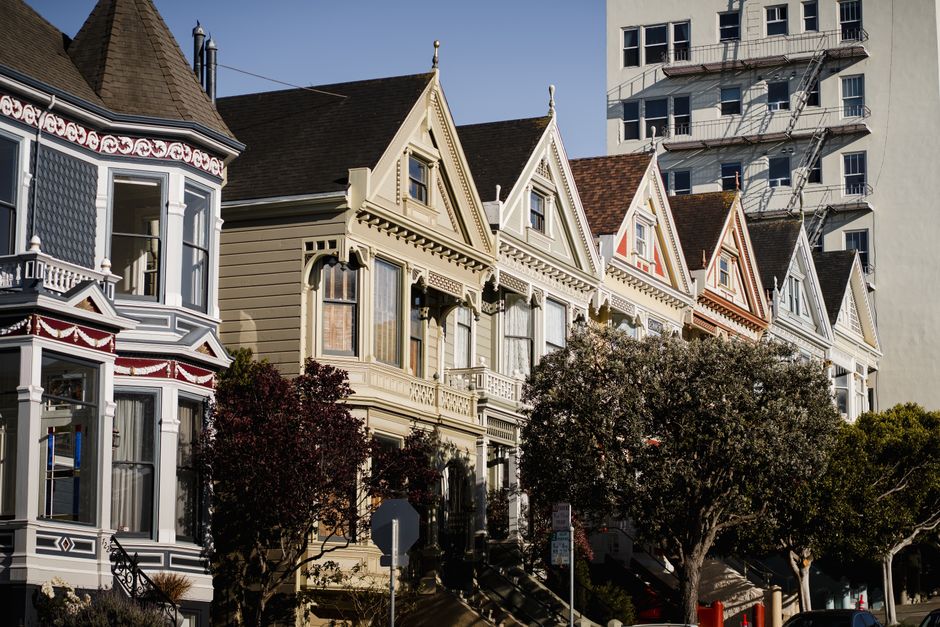
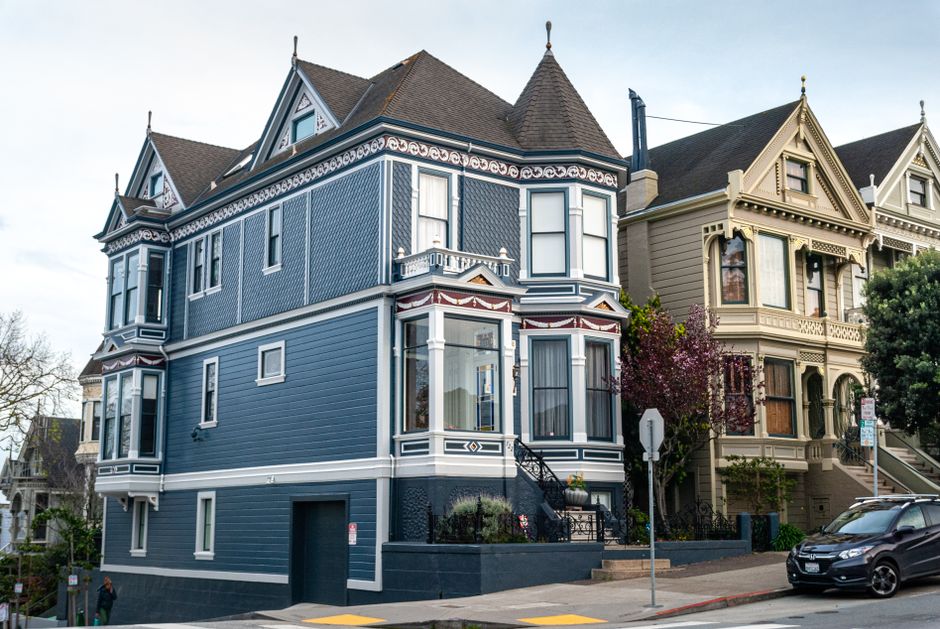
San Francisco’s housing market is pulling in two directions: single-family home prices have surged to fresh highs, while condo and unit values are stagnating or even dipping in key districts. The city’s latest June figures show the median price for a detached house hitting $1.68 million, up nearly 7% year-on-year, while condo medians stalled at $1.23 million, barely budging from 2025’s numbers.
The growing gap matters because it changes who can buy, who stays, and how neighborhoods evolve. As Silicon Valley hiring resumes its breakneck pace, many executives are zeroing in on city houses in districts like Pacific Heights and Noe Valley, putting more pressure on already scarce inventory. Meanwhile, mid-market condos—especially in SOMA and parts of Mission Bay—are facing longer market stays as young professionals grow choosier and remote work continues to shake up location priorities.
The Realtor Alliance of San Francisco points to May data as a turning point. On Liberty Street in Dolores Heights, a renovated Queen Anne sold for $4.2 million after only nine days on the market. At the same time, a two-bedroom unit at the Infinity towers on Folsom Street lingered for 72 days before closing at $1.15 million, down from its original list price by almost 6%.
The numbers reflect a broader trend: Redfin’s Q2 report found single-family listings in Pacific Heights moving within 14 days on average, compared to a citywide 29-day average for condos. The supply pipeline is also tilting—just 420 standalone houses are active citywide, versus 1,180 condo and loft units as of July 1. Neighborhoods like Parkside and Bernal Heights, once considered “starter” home territory, are now seeing multiple bids above asking, further squeezing would-be move-up buyers.
Urban policy analysts attribute the appetite for houses to the city’s post-pandemic mindset: more buyers want private yards, office space, and greater separation from neighbors. Meanwhile, the downtown condo stock swelled after years of aggressive building, and recent tech layoffs left some brand-new units unsold. The trend is visible along Townsend Street, where some towers are quietly offering incentives including HOA fee waivers and closing cost support to attract buyers back.
Market-watchers say the next quarter will be decisive. Some brokerages, like Vanguard Properties, are encouraging condo sellers to price strategically and offer flexible terms, especially in high-rise corridors near the Embarcadero. For house hunters, the advice is to act decisively where supply is low but avoid overextending in overheated pockets like Lake Street or Glen Park.
If the tech sector keeps hiring, demand for single-family homes will likely climb further—raising the prospect of more out-of-reach prices for first-timers. Conversely, the city may see developers offer aggressive discounts or repackage downtown units as rentals if inventory remains stuck. The divergence between house and condo prices isn’t just a chart: it’s reshaping how, and where, San Franciscans live for the years ahead.
How does this story make you feel?
Spread the word
About this article
Published by The Daily San Francisco
Daily brief
Free, in your inbox before 7am. Weekdays.
More in Property