San Francisco First-Time Buyers Delay Home Purchases as Rents Surge
Rising rents across San Francisco neighbourhoods are forcing aspiring homeowners to delay purchases, while landlords grapple with new financing rules and tenant protections.
Rising rents across San Francisco neighbourhoods are forcing aspiring homeowners to delay purchases, while landlords grapple with new financing rules and tenant protections.
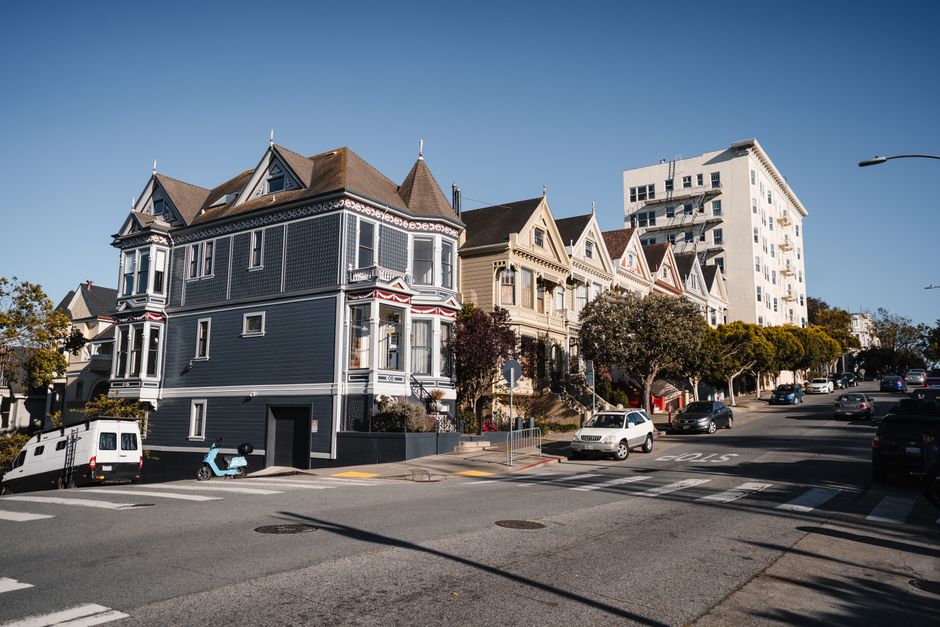
San Francisco's rental market is creating a pincer effect for first-home buyers, with tenants caught between skyrocketing rents and the difficulty of saving for a down payment while landlords navigate stricter lending requirements and tenant-protection regulations that have fundamentally reshaped the city's housing landscape.
The median rent for a one-bedroom apartment in Mission District now sits at approximately $2,800 monthly, while comparable units in Marina command $3,100 or more. For first-home buyers attempting to accumulate a deposit toward the city's $1.3 million median home price, these figures represent an insurmountable obstacle. "Renters in their late twenties and early thirties are staying in the rental market longer than previous generations," says housing analyst data tracking displacement patterns across the Fillmore, SOMA, and Dogpatch neighbourhoods where tech sector employment has intensified competition for limited inventory.
The problem extends beyond tenant hardship. Landlords managing multi-unit properties on streets like Valencia and Mission are confronting new anti-money-laundering regulations on residential transactions, increased scrutiny of financing sources, and stricter rent-control guidelines that have made property investment less attractive. Small-scale landlords—those owning fewer than five units—are increasingly exiting the market, further reducing rental stock and driving prices higher.
San Francisco's first-home buyer grants, administered through nonprofits like Mission Housing Development Corporation and the Mayor's Office of Housing and Community Development, now struggle to bridge the gap. While programs offering down-payment assistance of $50,000 to $80,000 remain valuable, they represent only 4–6% of typical purchase prices in neighbourhoods like Pacific Heights or Marina. Many qualified applicants find themselves priced out before grant funds can be deployed.
The rental market's tension is also reshaping tenant behaviour. Many are extending stays with current landlords rather than risking relocation into an even tighter market. This reduces turnover, limiting opportunities for landlords to adjust rents toward market rates—though existing tenants locked into older leases now benefit from relative stability even as neighbouring units command substantially higher rates.
Credit unions and community lenders report increased demand for first-home buyer education workshops, particularly in underserved neighbourhoods like the Tenderloin and Bayview. However, financial literacy alone cannot overcome the mathematics: with rental costs consuming 50–60% of median household income, accumulating savings for a 10–20% down payment requires 8–12 years of disciplined saving—a timeline that forces many into a perpetual renting cycle.
For San Francisco's housing stability, addressing this rental-to-ownership bottleneck requires expanding grant programs and loosening zoning restrictions that could increase both rental and ownership supply simultaneously.
This article was compiled by AI and screened before publishing. See our editorial standards.
How does this story make you feel?
Spread the word
About this article
Published by The Daily San Francisco
Daily brief
Free, in your inbox before 7am. Weekdays.
More in Property


