What San Francisco's auction results and price data are signalling to investment landlords
Falling cap rates and shifting buyer demand across neighborhoods reveal where the rental yield opportunity lies—and where it's evaporating.
Falling cap rates and shifting buyer demand across neighborhoods reveal where the rental yield opportunity lies—and where it's evaporating.
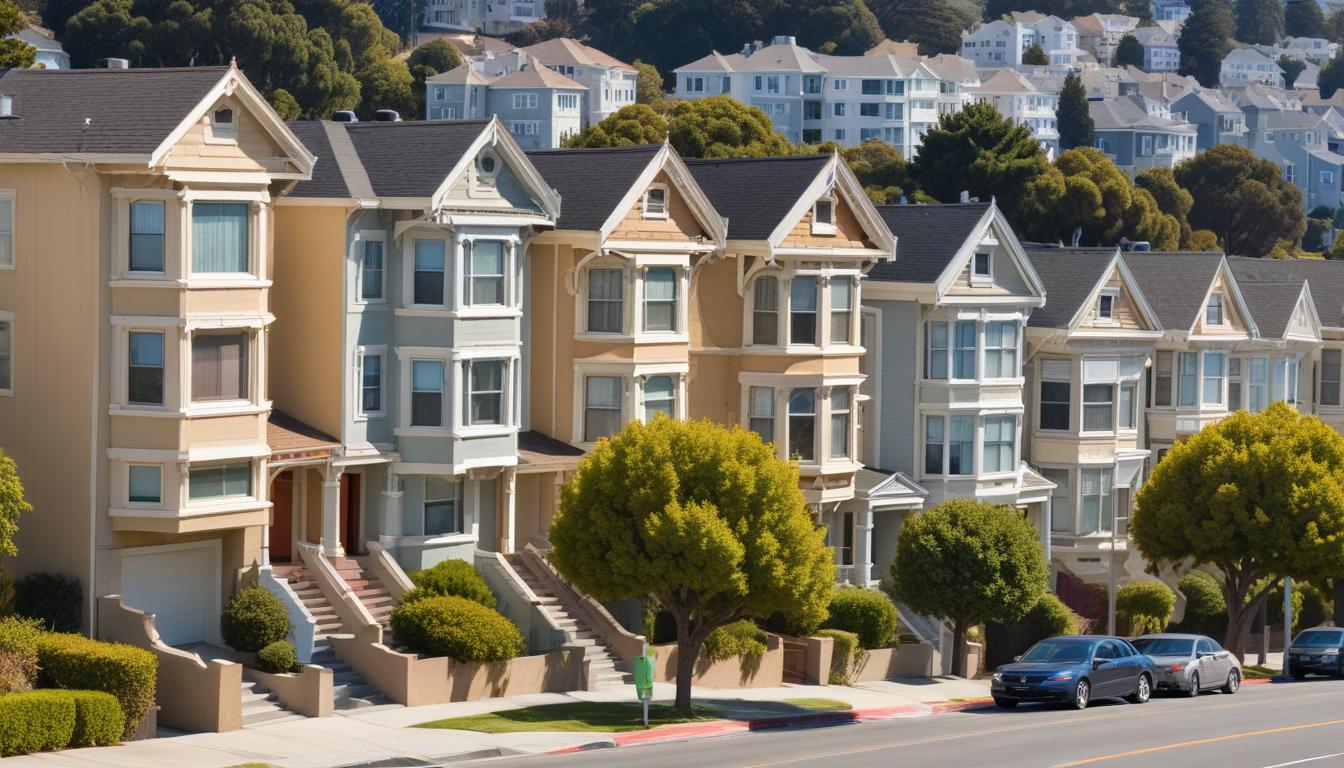
San Francisco's investment property market is sending mixed signals this mid-year, and savvy landlords are learning to read between the auction house results and price movements across the city's most coveted corridors.
The headline data points to a market in transition. While the citywide median remains anchored near $1.3 million, recent auction activity in Pacific Heights and Marina shows deepening competition among owner-occupants rather than investors—typically a sign that cap rates have compressed to levels that no longer justify landlord acquisition. Properties along Fillmore Street and near Fort Mason have seen bidding wars driven by primary buyers seeking lifestyle over yield, leaving investors sidelined.
The real signal, however, is coming from the Mission and Dogpatch. These neighborhoods are posting different fundamentals. Recent sales data indicates rental rates climbing faster than purchase prices in blocks around Valencia Street and along The Embarcadero's southern stretch, where converted industrial buildings command rents that still allow meaningful cash-on-cash returns. A two-bedroom condo in Dogpatch listing at $850,000 last month could generate monthly rent of $3,200 to $3,500—a 4.5 to 4.9 percent gross yield before expenses, according to local property managers tracking the corridor.
Tech sector hiring rebounds, particularly in Peninsula-proximate neighborhoods, have also shifted demand patterns. Properties within walking distance of Caltrain stations or easy freeway access are seeing stronger investor interest than those requiring downtown commutes.
What the auctions aren't showing matters equally. The absence of major portfolio liquidations—typical during previous downturns—suggests landlords holding assets rather than exiting. This low inventory of motivated sellers is keeping prices stable even as interest rates remain elevated. CoreLogic data through Q2 shows single-family rental properties moving slower than condos, signalling that detached homes in the Outer Sunset or Richmond districts may offer better entry points for patient investors.
For those watching the numbers, the message is clear: yields exist, but they require geographic selectivity. The days of reliable returns in high-demand pockets like Marina or Noe Valley have likely passed for new entrants. The math now favors neighborhoods in secondary growth phases—where prices haven't yet fully adjusted upward but rental demand is real and measurable.
The auction calendar ahead will tell whether this bifurcation holds. If Dogpatch and Mission properties continue appreciating faster than they're renting—which would compress yields further—even those neighborhoods lose their appeal. For now, though, that's where the price data is pointing.
This article was compiled by AI and screened before publishing. See our editorial standards.
How does this story make you feel?
Spread the word
About this article
Published by The Daily San Francisco
Daily brief
Free, in your inbox before 7am. Weekdays.
More in Property