Pacific Heights Redesign Rules Reshape San Francisco's Ultra-Luxury Market
New planning overlays targeting architectural heritage are redirecting megadeal momentum across the city's most exclusive neighbourhoods.
New planning overlays targeting architectural heritage are redirecting megadeal momentum across the city's most exclusive neighbourhoods.
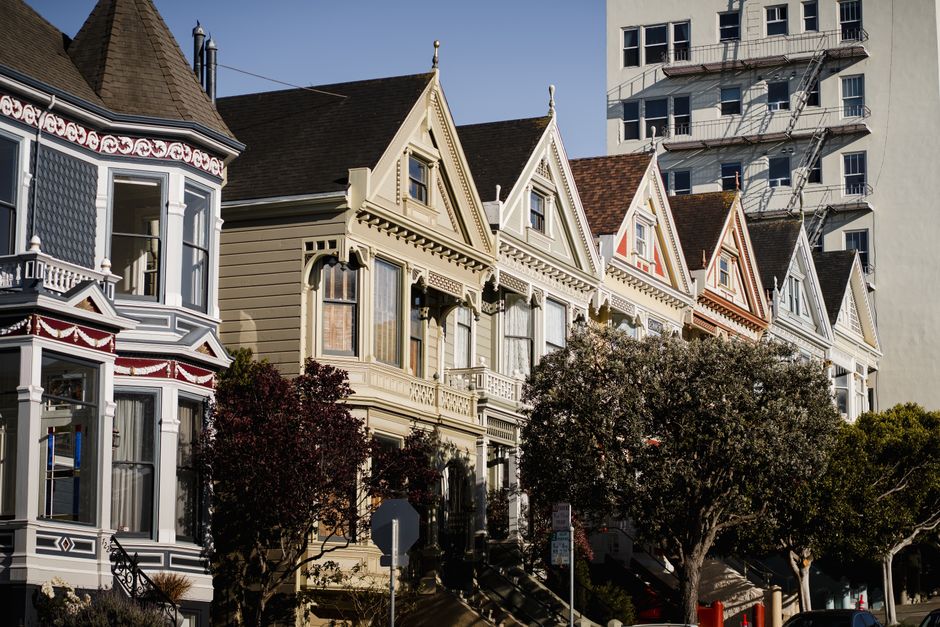
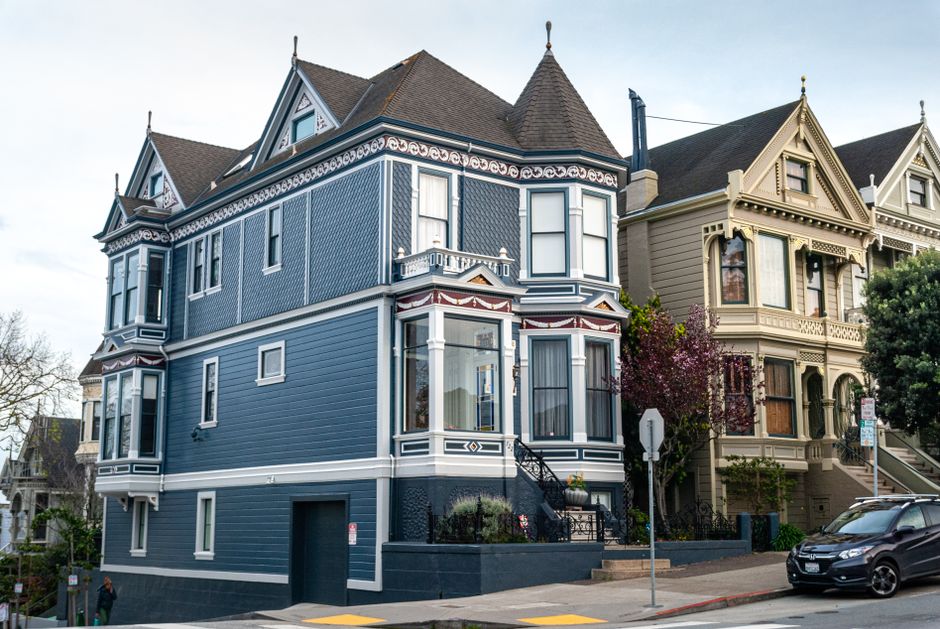
San Francisco's luxury property landscape is experiencing a significant recalibration following the Planning Department's revised design guidelines for heritage conservation districts, with Pacific Heights emerging as the unexpected casualty of stricter aesthetic controls.
The new overlay district, which came into effect in March, requires developers seeking permits for substantial renovations or new construction in the neighbourhood to navigate expanded architectural review processes. Properties above $3 million—historically the domain of trophy acquisitions and tear-downs—now face extended timelines and mandatory design compatibility assessments. The ripple effect has been immediate: two high-profile listings on Octavia Boulevard above $5 million have languished on the market for over 120 days, unusual for the ultra-premium segment.
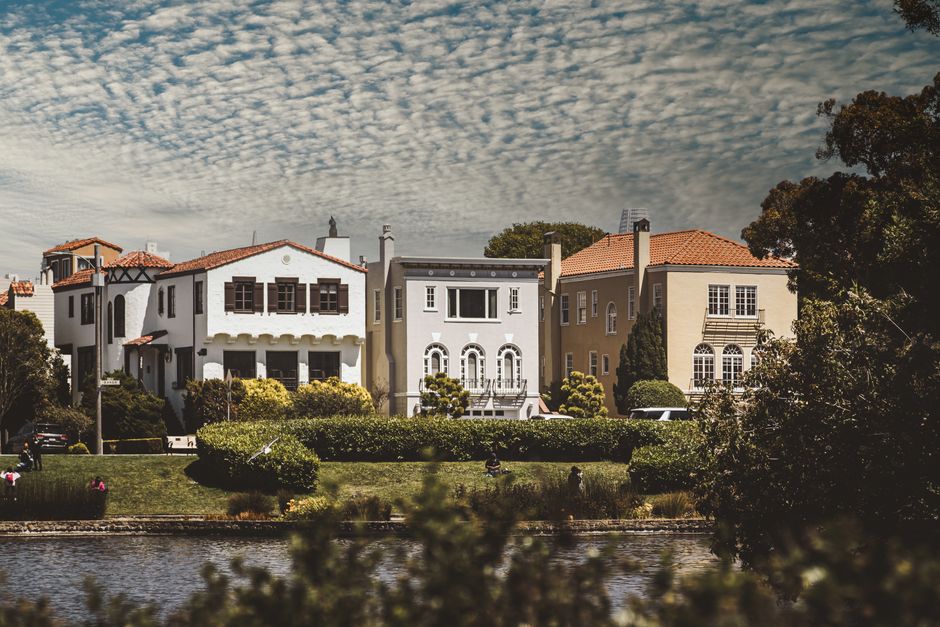
Yet this regulatory friction is reshaping where San Francisco's wealthiest buyers are deploying capital. Marina District properties, traditionally priced 15–20% below Pacific Heights equivalents, have absorbed significant new demand. A recently completed renovation on Divisadero Street sold for $4.8 million in May—comparable square footage in Pacific Heights would have commanded closer to $6.2 million twelve months prior. Real estate professionals report increased activity in Presidio Heights and Seacliff, where design guidelines remain less prescriptive.
The Mission and Dogpatch neighbourhoods, already experiencing demographic evolution, are benefiting from a secondary effect: tech sector money seeking modern residential stock without heritage constraints. New construction projects in these areas face fewer planning hurdles, accelerating timelines that appeal to relocating executives accustomed to rapid market cycles elsewhere.
The Planning Department's stated intent—preserving architectural character while allowing thoughtful development—reflects competing City Hall priorities. Heritage advocates championed the stricter oversight following controversial demolitions of Victorian-era properties. Yet developers counter that extended review processes increase carrying costs and financing uncertainty, ultimately suppressing new supply in a market where the median home price remains anchored above $1.3 million.
What's particularly revealing is the geographic bifurcation now visible in sales data. Neighbourhoods with streamlined approval pathways are posting stronger price momentum, while those facing heightened scrutiny show softening demand at the luxury tier. Industry observers note this creates an inadvertent market segmentation: buyers prioritising design flexibility and rapid ownership transitions are clustering in zones with lighter regulatory frameworks.
As San Francisco's Planning Commission prepares to review policy effectiveness this autumn, the evidence suggests that good-faith heritage protection and luxury market dynamism require careful calibration. The current approach may preserve architectural legacies—but it's simultaneously rewriting the map of where affluent buyers choose to build their San Francisco futures.
This article was compiled by AI from the sources linked above and screened before publishing. See our editorial standards.
How does this story make you feel?
Spread the word
About this article
Published by The Daily San Francisco
Daily brief
Free, in your inbox before 7am. Weekdays.
More in Property