San Francisco's development pipeline is humming again, but the trajectory of new construction prices tells a story that extends far beyond simple supply and demand. With median asking prices across the city holding firm at $1.3 million, new residential projects are commanding premiums that deserve closer examination—particularly for buyers navigating the distinction between primary residence purchases and investment decisions.
The approval surge is real. Planning Department filings show residential projects moving through conditional use hearings faster than the pandemic era, with particular momentum in Mission Bay, where waterfront-adjacent developments are anchoring price expectations across surrounding neighborhoods. Similarly, Dogpatch and the emerging SOMA corridor continue to attract significant capital, with projects targeting the $1.8 million to $2.4 million bracket—substantially above neighborhood medians from just 18 months ago.
Three primary mechanisms are inflating pricing. First, construction costs remain stubbornly high. Labor, materials, and the city's increasingly stringent building code compliance mean per-square-foot costs for new construction regularly exceed $900—versus $650 for existing units. Developers absorb these costs into asking prices, passing responsibility to buyers.
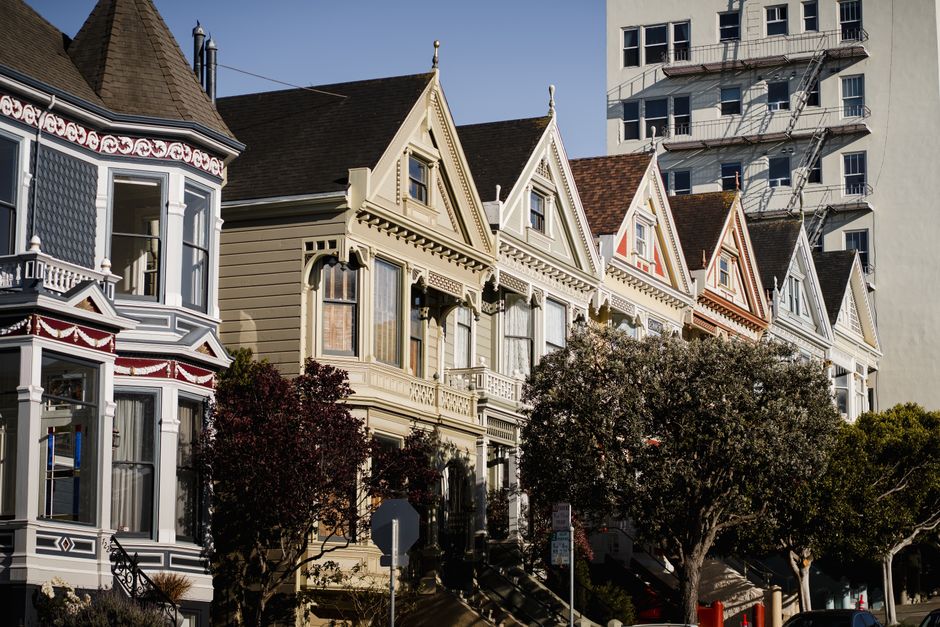
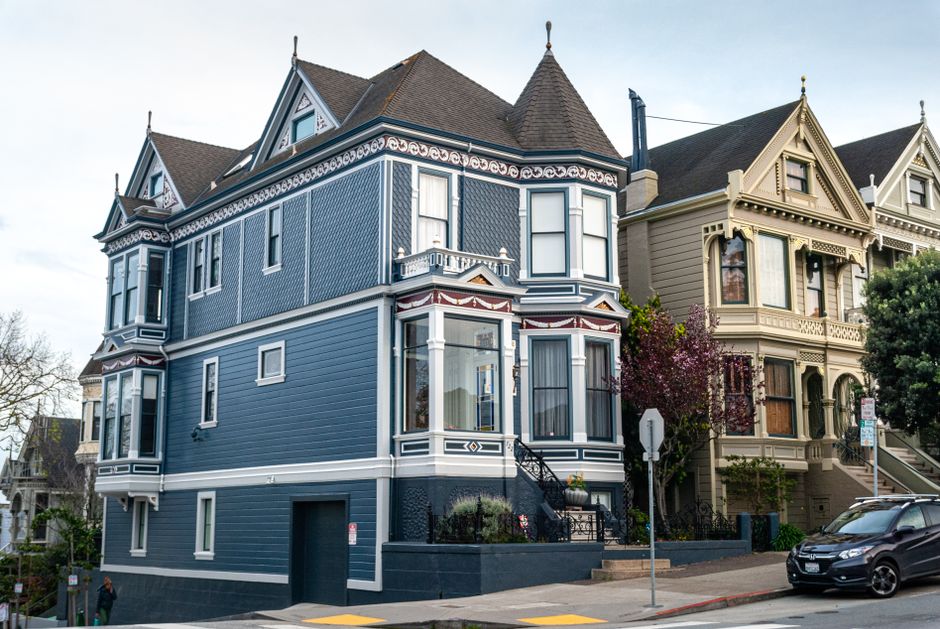
Second, regulatory compliance itself has become an invisible amenity. New developments built to current seismic standards, with modern energy systems and parking solutions that satisfy current Planning Code requirements, eliminate the uncertainty—and potential future costs—that plague older housing stock. Buyers in Pacific Heights and Marina neighborhoods, where Victorian and Edwardian structures dominate, increasingly recognize that new construction in emerging zones like Dogpatch or Mission Bay offers regulatory certainty that justifies price premiums.
Third, the tech sector's return is reshaping demand geography. Unlike the previous boom, current buyer interest extends beyond downtown-adjacent neighborhoods. Developments near BART access points and along the future transit corridors are attracting attention, which has accelerated approvals in previously slower-moving areas.
For buyers, the critical question isn't whether to purchase new or existing—it's understanding what you're actually paying for. New construction typically carries lower maintenance risk for the first five years, predictable HOA costs, and compliance certainty. Existing units offer location premium in established neighborhoods and potentially greater appreciation if the neighborhood trajectory remains positive.
Approvals are accelerating, but completion timelines remain stretched. Any buyer considering new construction should verify delivery dates with developers directly; many projects approved in 2024 won't deliver until late 2027 or 2028. That timeline creates real risk in a market where conditions—and rates—remain uncertain.
This article was compiled by AI from the sources linked above and screened before publishing. See our editorial standards.