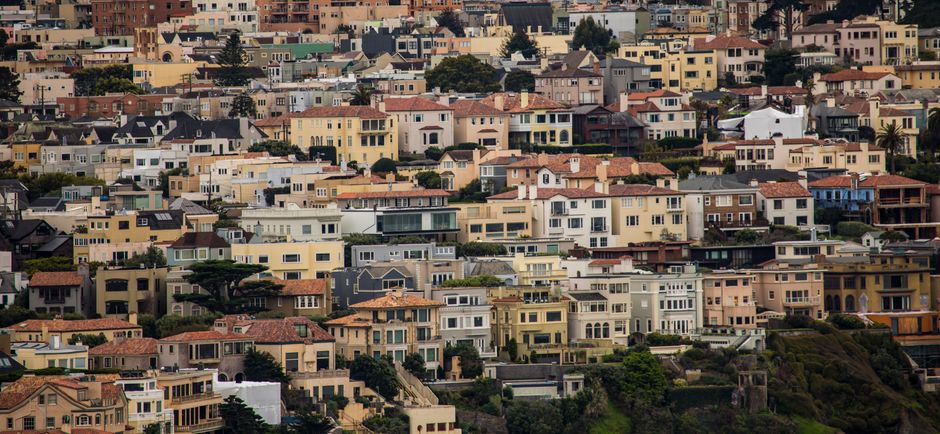
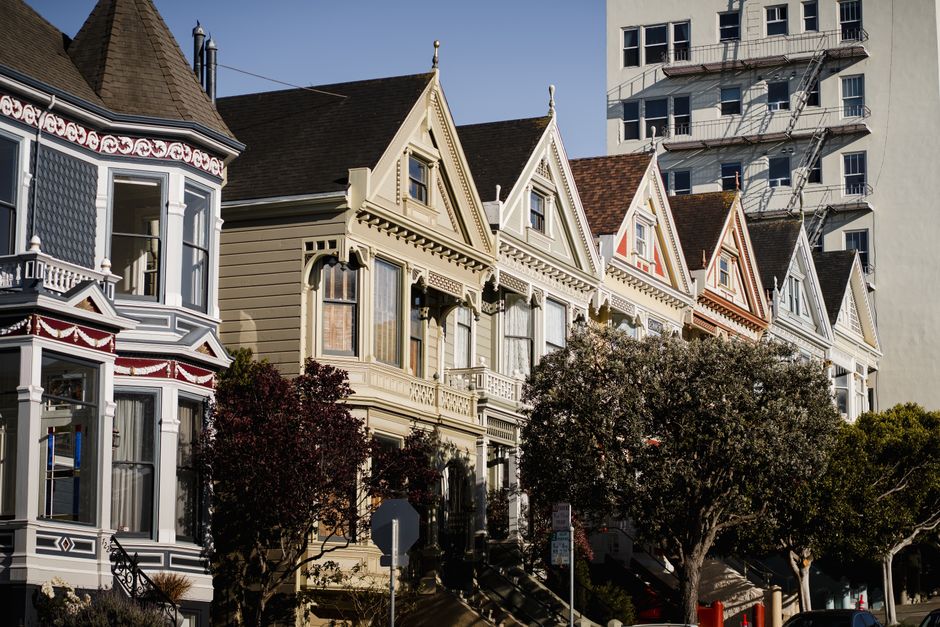
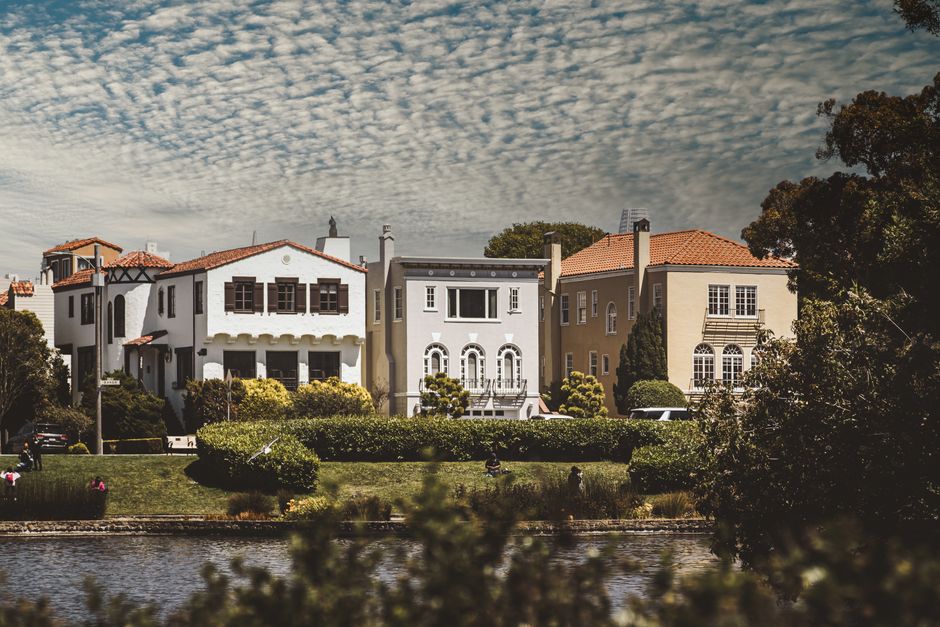
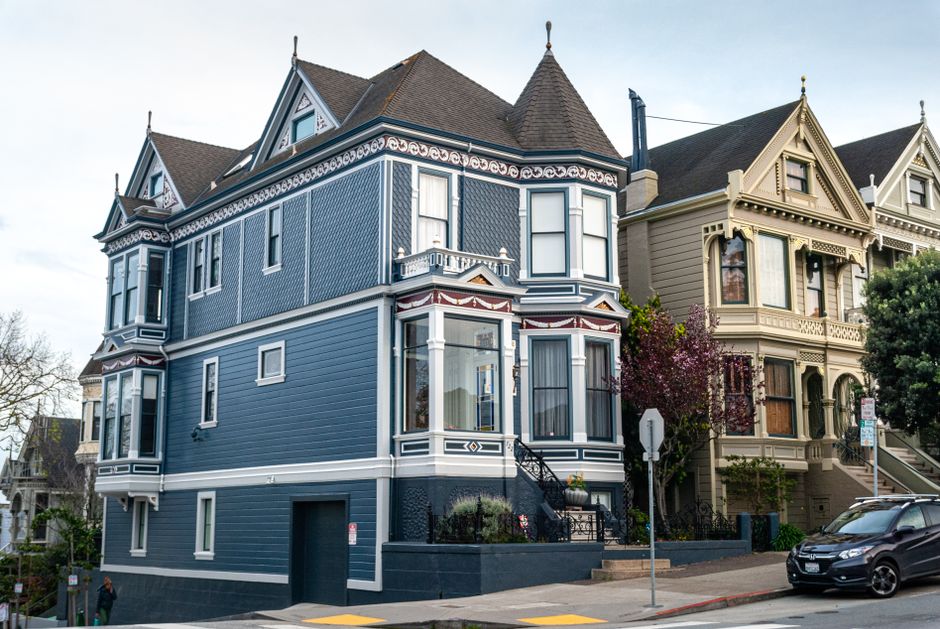
San Francisco's property market is experiencing a development surge unseen since the early pandemic slowdown, with cranes dotting the skyline from SOMA to the Bayview. Yet even as new projects promise thousands of units, the median home price holding steady around $1.3 million raises a critical question: can new construction actually make housing more affordable for ordinary San Franciscans?
The Mission District has become ground zero for this transformation. Multiple mid-rise residential projects along Valencia Street and the corridor between 16th and 24th Streets are nearing completion, promising a mix of market-rate and below-market-rate units. Similarly, Dogpatch—long seen as an emerging neighbourhood with lower entry prices than Pacific Heights or Marina—is being reshaped by waterfront developments that are simultaneously attracting new residents and pricing out existing communities.
The numbers tell a complex story. While new construction adds supply, developers argue that the cost of building in San Francisco—labour, permitting, land acquisition—means most new units emerge at premium price points. A two-bedroom in a newly completed SOMA tower, for instance, regularly commands rents exceeding $4,500 monthly. Inclusionary zoning requirements mandate affordability percentages, typically 15–25 percent of units, but these often serve households earning 55–80 percent of area median income—still out of reach for service workers and lower-wage earners.
Market analysts point to the tech sector's return to office-centric work and remote-first hiring as complicating factors. Demand from knowledge workers continues to push prices upward, even in traditionally more accessible neighbourhoods. Properties near transit corridors along the BART lines and tech shuttle stops command premiums that new supply has yet to moderate.
Yet some development advocates highlight genuine progress. Projects incorporating ground-floor retail and community spaces—as seen with recent initiatives near the Ferry Building waterfront and along Mission Street—are attempting to preserve neighbourhood character while adding capacity. Several developments include affordable units marketed below $600,000, a rarity but a step forward from previous cycles.
Housing advocates remain cautious. They point out that new development, while necessary, addresses supply incrementally while demand from high-income residents and investors outpaces it. The city's restrictive zoning and lengthy approval processes mean projects take years to move from planning to occupancy.
As San Francisco continues its development trajectory, one consensus emerges: new projects are reshaping the city's physical footprint and demographic composition. Whether they reshape affordability remains the defining test of the coming decade.
This article was compiled by AI from the sources linked above and screened before publishing. See our editorial standards.