First-Time Landlords: Your Guide to Investment Property Yields in Today's San Francisco Market
With tech demand returning and median prices hovering at $1.3M, aspiring landlords need a roadmap—here's what's working right now.
With tech demand returning and median prices hovering at $1.3M, aspiring landlords need a roadmap—here's what's working right now.
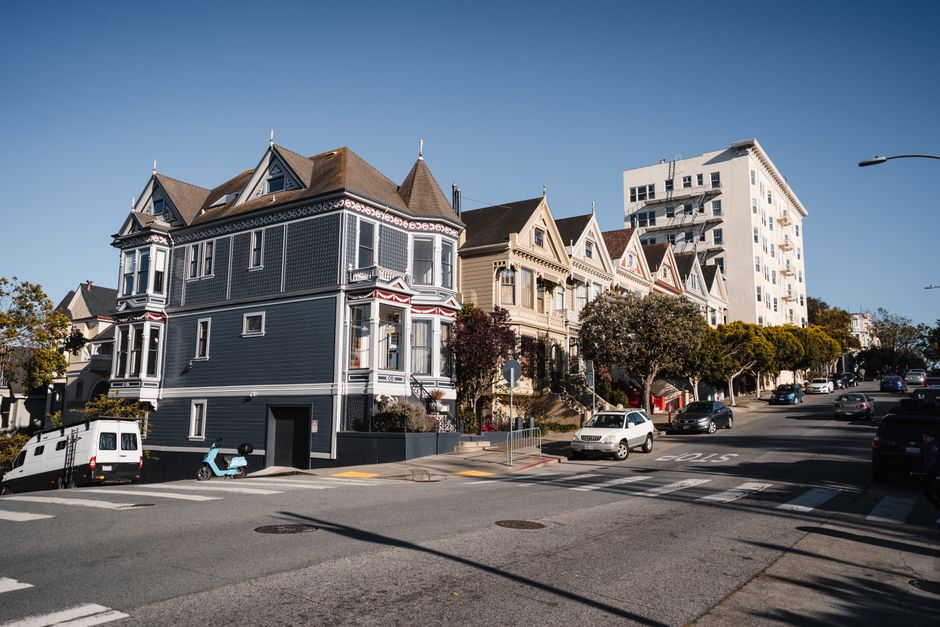
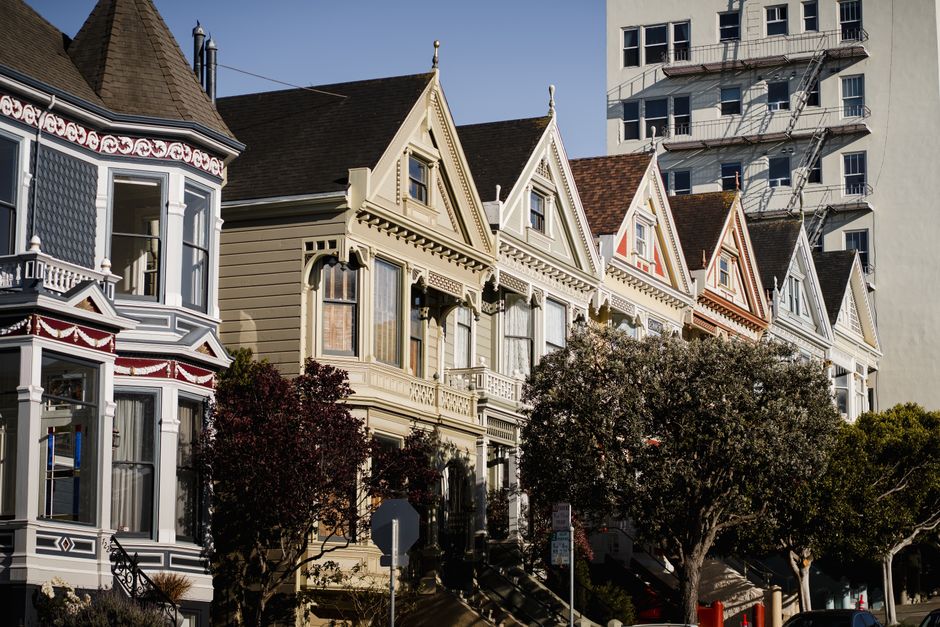
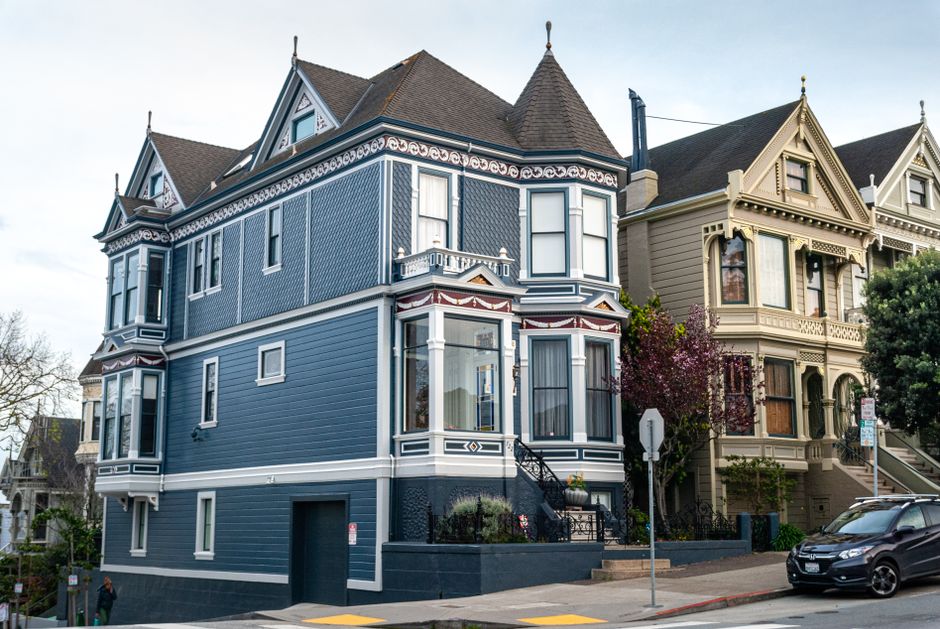
San Francisco's investment property market has shifted dramatically in the past 18 months. After years of uncertainty, returning tech workers and renewed corporate presence are reshaping where first-time landlords should focus—and what returns they can realistically expect.
The headline number tells part of the story: median prices sit at $1.3M, creating a genuine barrier for newcomers. But yields tell another. A two-bedroom in the Mission or Dogpatch—neighbourhoods where young professionals increasingly cluster—now generates rental income that makes the math work for leveraged buyers. Mission Street corridors and Valencia Street addresses are seeing consistent 3.5–4.2% gross yields, particularly in properties built or renovated in the last decade.
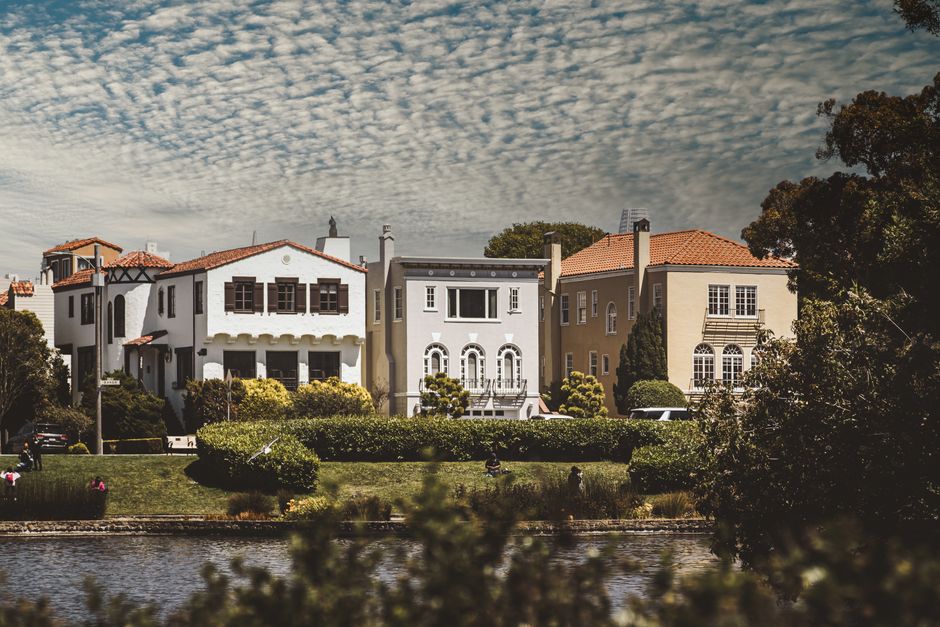
The Marina and Pacific Heights remain premium destinations, but first-time buyers should resist the prestige trap. Yes, properties near the Golden Gate Bridge command eye-watering prices, but yields often compress below 2.8% because purchase prices have inflated faster than rents. Emerging areas like Dogpatch—where tech campus relocations to potrero Hill are driving spillover demand—offer better risk-adjusted returns for newcomers with modest capital.
Practical steps matter. Work with a local property manager familiar with San Francisco's strict rent-control environment; they'll cost 8–10% of rental income but prevent costly mistakes. Know your numbers: factor in property tax (roughly 1.25% annually), insurance, maintenance reserves (aim for 10% of gross rent), and vacancy rates (assume 5–7% in competitive years). Many first-timers underestimate these, turning what looks like a 4% yield into a 1.5% reality.
Financing is crucial. With rates fluctuating, conventional loans remain competitive for owner-occupant scenarios (purchase a duplex, live in one unit, rent the other), but investment-only properties face steeper rates and larger down payments. Some buyers are exploring first-time buyer programs through the Mayor's Office of Housing—eligibility caps vary, but they're worth investigating if your income qualifies.
Timing also matters. Summer months traditionally see tenant turnover and lease negotiations—if you're buying now, June-July closings mean September lease seasons align with your ownership. It's not glamorous, but it reduces the cash-flow shock of empty units.
San Francisco remains expensive, but it's no longer a yield desert for disciplined, local-market-savvy investors. Focus on emerging neighbourhoods, run conservative numbers, and treat your first property as the beginning of a portfolio, not a lottery ticket.
This article was compiled by AI from the sources linked above and screened before publishing. See our editorial standards.
How does this story make you feel?
Spread the word
About this article
Published by The Daily San Francisco
Daily brief
Free, in your inbox before 7am. Weekdays.
More in Property