San Francisco's property development pipeline is heating up again, and landlords watching the market closely understand that new construction doesn't just change skylines—it fundamentally shifts where yields hide and risks accumulate.
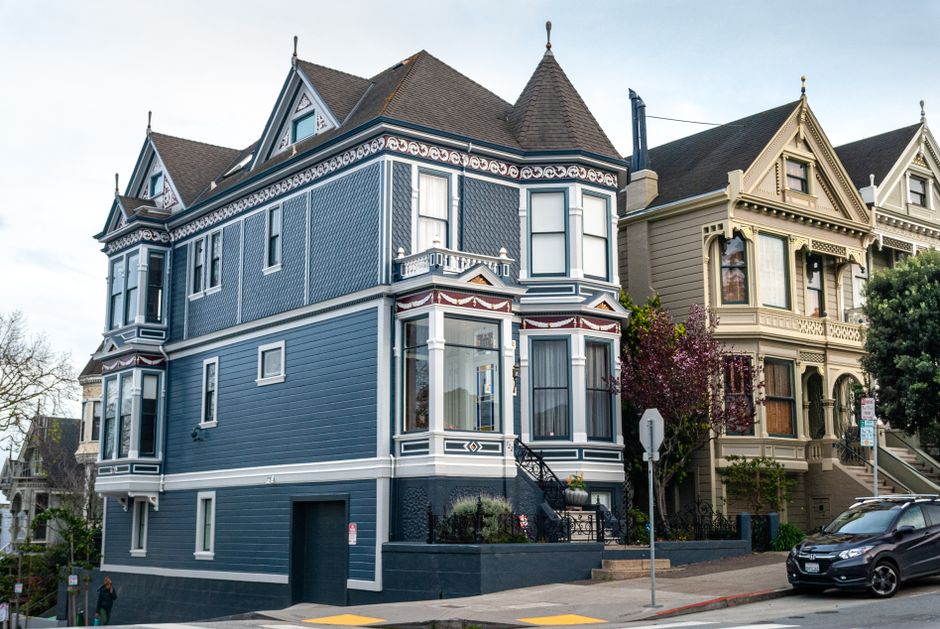
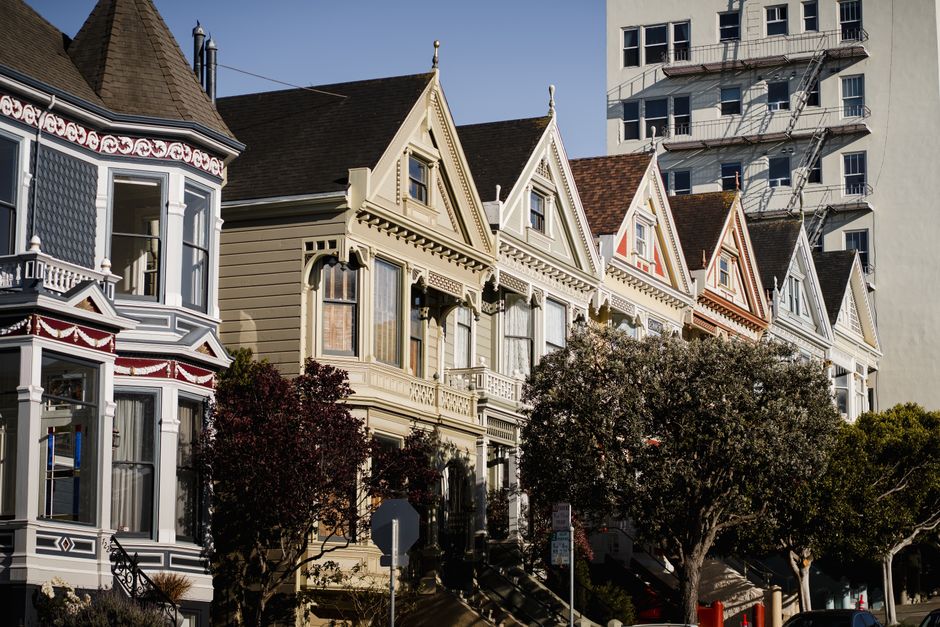
The most visible catalyst is the ongoing transformation of Mission Bay, where residential towers now compete directly with older stock in the Mission and Dogpatch. Recent completions along King Street and Terry François Boulevard have introduced more than 2,000 new units into neighborhoods that were previously dominated by aging walk-ups and converted Victorians. For existing landlords, this represents both threat and opportunity: gross rental yields on older properties—typically hovering between 3.5% and 4.5% in these neighborhoods—face downward pressure as new, amenity-heavy developments offer gym facilities, co-working spaces, and rooftop lounges that older buildings cannot match.
Yet the data tells a nuanced story. While the median San Francisco property price sits around $1.3 million, new developments in Dogpatch are commanding premium rents—often $3,200 to $3,800 for one-bedroom units—precisely because they're attracting the returning tech workforce that defines the current cycle. Landlords who've held property on Valencia Street or along the Embarcadero have watched their tenant pools expand, not shrink, as new development has signaled neighborhood permanence to younger professionals.
The clearance rate for vacant developable land remains low, which paradoxically benefits existing landlords. Fewer new projects mean less supply in many neighborhoods; the ones approved tend to cluster in already-desirable corridors. This creates pockets of sustained demand. A landlord managing units near the new developments along Mission Creek Park, for instance, has leverage they lacked two years ago.
The calculus shifts, however, if you own property in secondary locations. Investment returns on older residential stock in the Outer Sunset or along Ocean Avenue will likely compress as capital concentrates in mixed-use, developer-led neighborhoods. Smart investors are recognizing that new development isn't the enemy—it's a signal of where demographics and capital are flowing.
The real play for the next 18 months isn't competing with new construction directly. It's investing in neighborhoods where development is imminent but hasn't yet broken ground. Watch the planning department's pipeline around the waterfront, near Caltrain corridors, and along Van Ness Avenue. Those neighborhoods will see yield expansion as new density justifies infrastructure investment and retail densification. For landlords, that's where yield compression becomes yield expansion.
This article was compiled by AI from the sources linked above and screened before publishing. See our editorial standards.