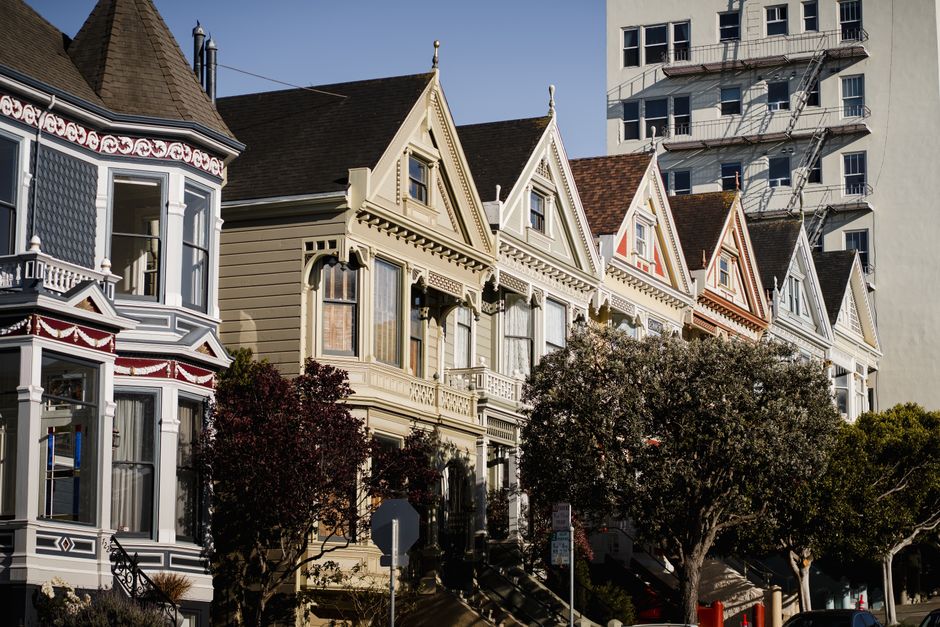
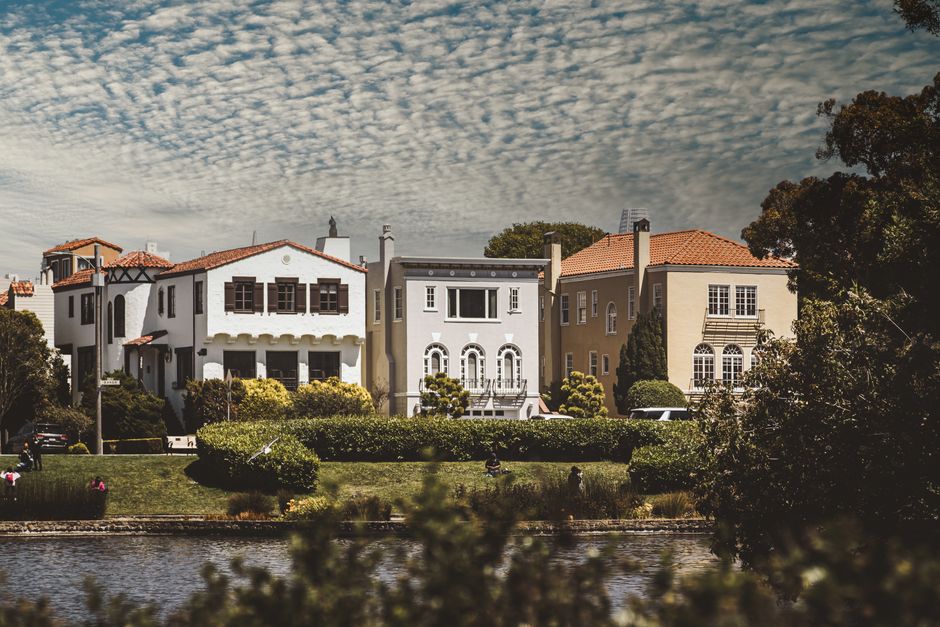
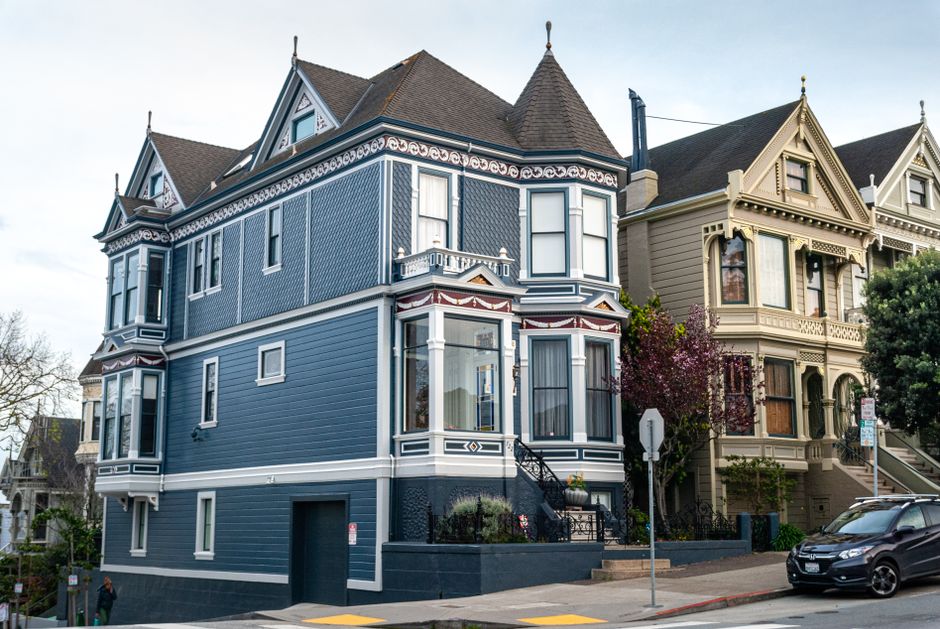
San Francisco's development pipeline is accelerating at a pace not seen since the pre-pandemic boom, with the Planning Department reporting a 34% increase in approved projects over the past eighteen months. The implications ripple far beyond construction sites: they're redefining neighbourhood character, reshaping commute patterns, and fundamentally altering the economics of several key districts.
The Mission District, long the city's cultural heartbeat, is experiencing the most dramatic transformation. The approved mixed-use development at 16th and Mission promises 280 residential units above street-level retail, while a forthcoming project on Valencia near 19th Street will add another 150 apartments. These aren't luxury penthouses—many units target the below-market-rate threshold—yet they're already influencing rents in surrounding blocks. Current asking prices in the Mission now average $3,100 for a one-bedroom, up 18% year-on-year, according to recent market data.
Dogpatch's evolution tells a different story. Three major residential towers approved for the Minnesota Street corridor will deliver approximately 600 units by 2029, fundamentally changing what has been an industrial neighbourhood. Art galleries and studios that anchored the district's identity face displacement pressure as land values climb. The neighbourhood median price has jumped to $1.85 million for a two-bedroom condo—approaching Pacific Heights territory—forcing a recalibration of who can afford to live here.
Waterfront development remains contentious but inevitable. The Embarcadero expansion continues with new office-to-residential conversions near the Ferry Building, a necessary response to San Francisco's office vacancy crisis. The tech sector's partial return has accelerated approval timelines; projects stalled during remote-work peaks are now fast-tracked.
What's striking about this pipeline is its diversity of scale. Alongside 400+ unit megaprojects, the Planning Department has greenlit nearly 200 smaller infill developments—backyard cottages, basement apartments, modest mid-rise buildings on underutilised sites. These smaller interventions may prove more consequential for neighbourhood stability than trophy developments.
The challenge facing planners and residents alike: can infrastructure keep pace? Transit advocates worry about capacity on the J-Church and M-Ocean View lines, while schools and emergency services are bracing for increased demand. Meanwhile, property owners in slower-growth areas—the Sunset, Richmond, Visitacion Valley—watch approval rates and ask whether the city's development strategy is too narrowly focused.
By 2028, these approved projects alone will add roughly 3,500 units to San Francisco's housing stock. Whether that moves the needle on affordability or simply reshuffles where displacement happens remains the question keeping planners awake.
This article was compiled by AI from the sources linked above and screened before publishing. See our editorial standards.