San Francisco's property market is sending mixed signals that paint a portrait of a city in transition. While headline prices remain robust—the median sitting around $1.3 million—the granular story told by auction clearance rates and neighbourhood-specific sales data reveals a market becoming increasingly stratified.
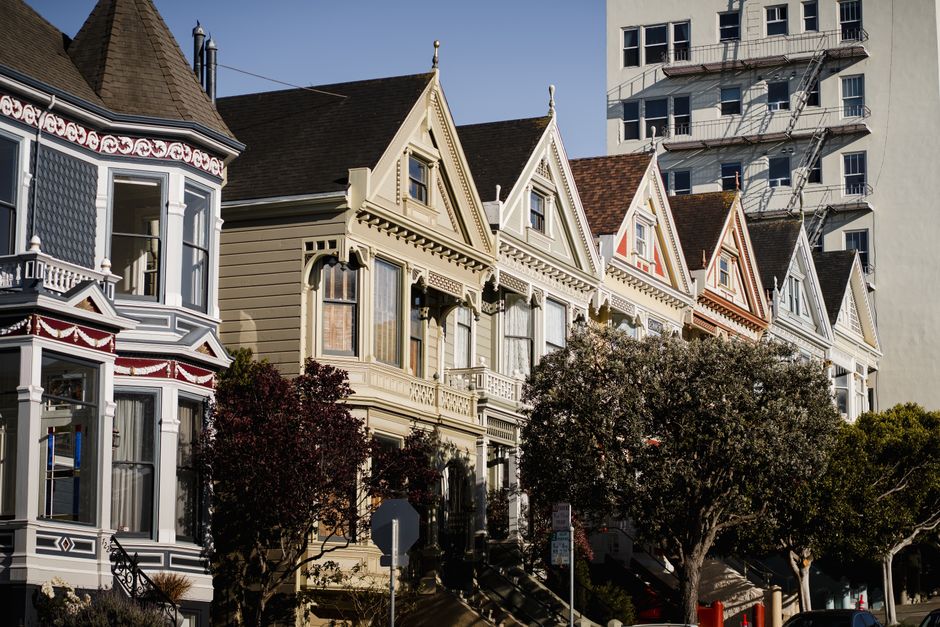
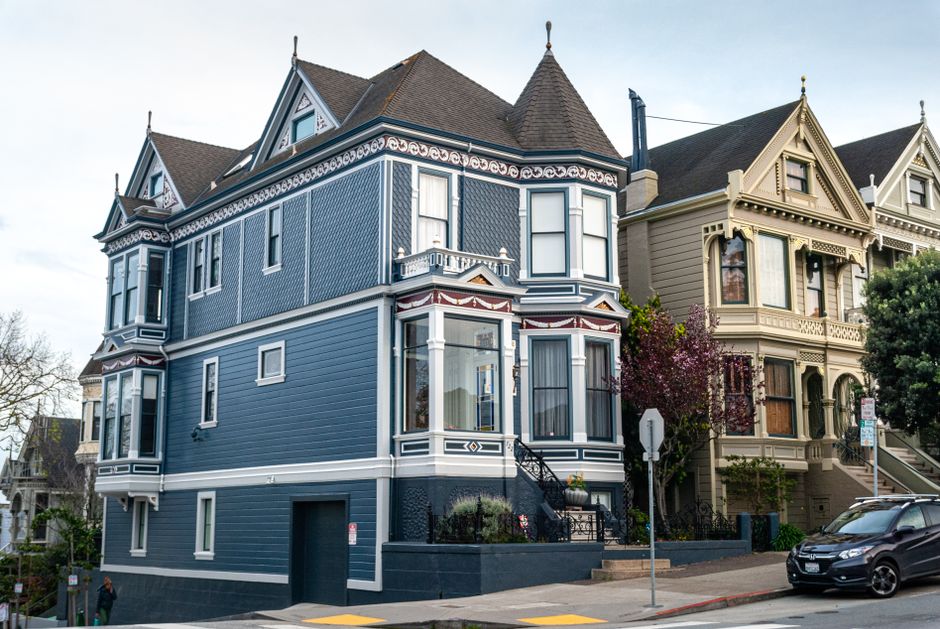
Recent auction activity in established premium corridors tells one narrative. Pacific Heights and the Marina continue to command strong buyer interest, particularly for renovated Victorian and Edwardian properties in the $2.5 million to $3.5 million range. These neighbourhoods are signalling stable demand anchored by tech sector wealth returning to offices and a cohort of established families unwilling to relocate. Clearance rates in these pockets remain healthy, hovering around 65-70 percent—suggesting vendors who price realistically find ready buyers.
The more telling data emerges elsewhere. The Mission and Dogpatch, long positioned as growth neighbourhoods for younger professionals and investors, are displaying auction results that suggest market sentiment has cooled from pandemic-era exuberance. Properties listed in the $1.8 million to $2.2 million bracket—once considered entry-level for these increasingly desirable areas—are taking longer to shift. Some recent auctions on Valencia Street corridors and around the Dogpatch waterfront have passed in, signalling vendors' asking prices have disconnected from buyer appetite.
The condo market, which showed renewed vigour through 2025, is also recalibrating. Inner-city apartment complexes near SOMA and around the Ferry Building are experiencing softer clearance rates compared to their detached housing counterparts. This suggests buyers prioritising the flexibility and space of traditional homes over compact urban living—a subtle but significant shift from pandemic preferences.
What does this data landscape mean? First, the $1.3 million median masks considerable neighbourhood variation. Second, the market is no longer a rising tide lifting all boats. Vendors who overestimate their property's value relative to comparable recent sales are finding themselves with properties that linger or fail to sell under the hammer. Third, the absence of a dramatic crash alongside softening clearance rates points to a market correcting through time on market rather than price capitulation.
For buyers, the message is patience. For vendors, the signal is clarity—recent comparable sales data, not aspirational valuations, will determine outcomes. San Francisco's property market isn't collapsing; it's fragmenting into distinct sub-markets where neighbourhood prestige, proximity to employment hubs, and realistic pricing matter more than ever.
This article was compiled by AI from the sources linked above and screened before publishing. See our editorial standards.